Diwali, derived from the Sanskrit Deepawali, literally translates as a garland of earthen lamps with oil-soaked wicks. It is one of the major celebrations in India—the Festival of Lights.
There are other occasions when houses and streets are lit up beautifully in celebration: Guru Parab, which Sikhs observe to honour the divinity of the teacher who showed them the True Path. In Kerala, illuminations are part of Onam, when, as per legend, Mahabali, the Just Ruler, revisits his land and people for one day each year.
What is the significance of light conquering darkness? Our Stone Age ancestors dreaded the darkness that descended with night. Life-threatening dangers lurked in the forest—poisonous snakes, predatory animals and treacherous terrain.
With the passage of time, darkness became synonymous with everything dangerous. This was when ghosts and evil spirits stepped out in search of humans foolish enough to venture out. Darkness became a metaphor for ignorance and sloth.
In contrast, the Sun shone brightly during the day, when life was safer and more joyous. An ancient Sanskrit verse prays to Surya (the Sun), the source of all light in the universe: ‘Let the light within us merge with the cosmic effulgence without.’
The Hindu epic Ramayan associates the display of lights with the celebration of Good’s victory over Evil—Shri Ram defeating the demonic Ravana, ruler of Lanka. In Varanasi, Dev Deepawali transforms the ghats on the banks of the Ganga. Thousands of diyas are lit, and miniature leaf boats carrying a tiny deep are consigned to the water, creating magical reflections on the rippling waves. Devotees believe that gods descend from heaven to enjoy the sight.
The end of autumn and the onset of winter stoke the appetite, and the body can digest rich foods more easily. The traditional Diwali feast is pakwaan and mishtann. The quintessential naivedya (offering) for Lakshmi Puja is kheer. Kheel (pounded parched wheat), meringue-like batasa, homemade laddoos and puas used to be traditional fare. Children were happy to get a fistful of sweets and moulded toys made of sugar candy.
Another popular practice associated with Diwali is playing games of chance (a euphemism for gambling!) with family and friends. Wise elders drew a lesson from this ritual: ‘Fortunes in life keep changing. Riches are notoriously fickle. Take gains and losses with equanimity.’ A large sculpture carved in stone in the great Kailash Nath Temple at Ellora apparently sanctified the practice. It depicts Shiva and Parvati playing a game of dice.
Times have changed; the game of dice has given way to card parties where ‘flash’ (teen patti), poker, blackjack and rummy are played for high stakes. The food is catered by celebrity chefs.
The Diwali gift hamper has crudely displaced the traditional exchange of homemade sweets and inexpensive trinkets. Personalised gifts nowadays come in expertly curated wicker baskets bulging with imported chocolates, cheeses, expensive tea chests, foraged honey, wine bottles and even a premium single malt. Diwali has become a convenient occasion to bribe people who matter, not in cash but in kind.
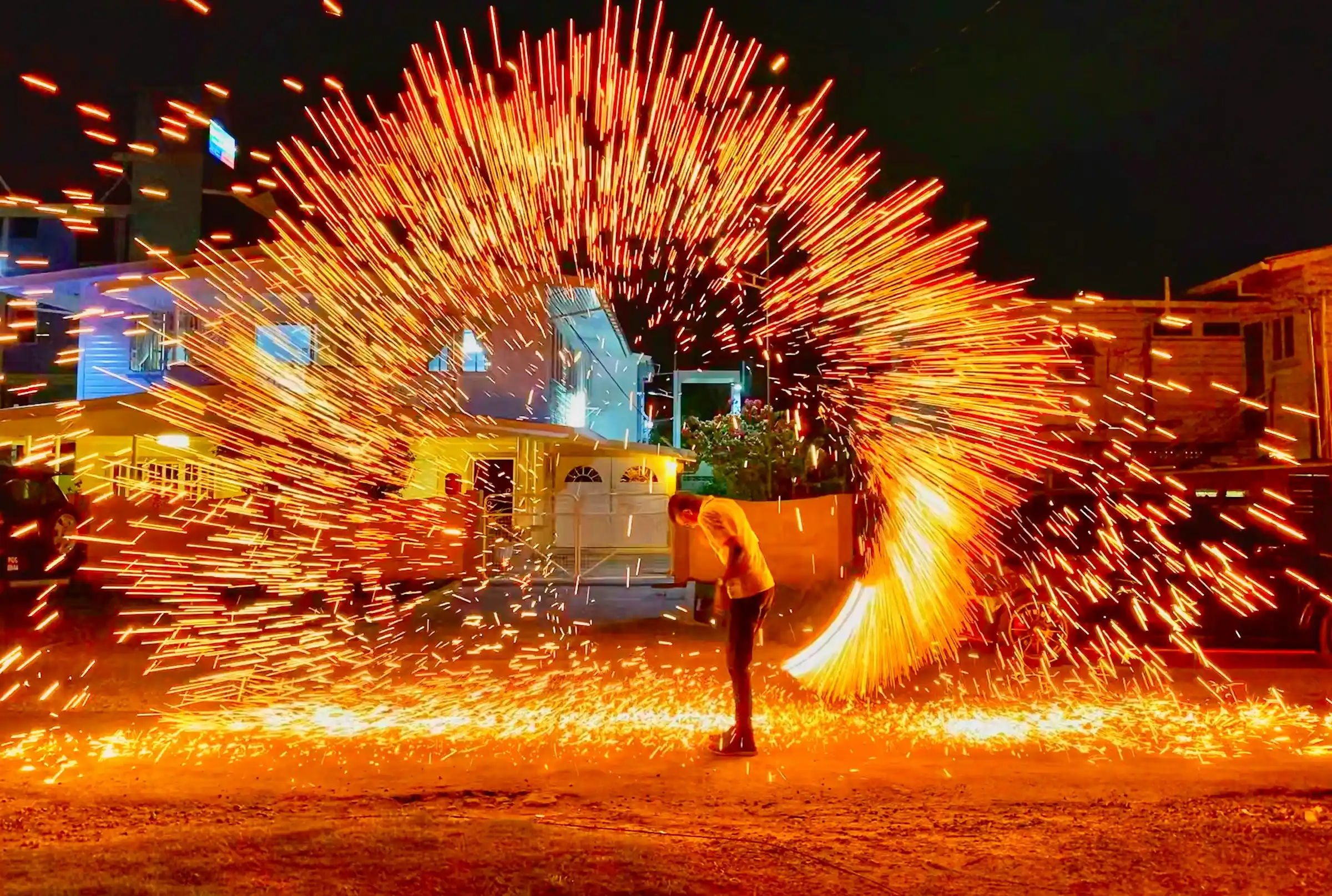
Fireworks are no longer exclusively a Diwali spectacle. Marriages throughout the year have made them commonplace. Our memory pulls us strongly back to childhood in a small Himalayan town. What fun we had with assorted sparklers—phooljhadi, anaar and ghanchakkar! The dangerous rocket, which took off from a launching pad—an old bottle—to shower multicoloured stars from the sky high above, came later. A large anaar was usually saved for the finale. One doesn’t recall the loud bangs that nowadays assault the eardrums throughout the night. Much hard-earned money or ill-gotten pelf is blown up in smoke every year in the prelude to and aftermath of Diwali. The AQI takes a nosedive, and Delhi becomes unliveable for months. The blame game continues: are the toxic fumes from the partying that kicks off the festival, vehicles not conforming to prescribed norms, or farmers burning straw after harvesting in their fields?
As we inhale the toxic fumes carrying the whiff of sulphur and other lethal chemicals that go into making fireworks, coughing and sneezing, we are reminded of factories that produce fireworks in hazardous conditions, exploiting child labour. The Supreme Court thunders ritually that only ‘green’ crackers should be allowed within a narrow window of time. Who cares! When it comes to tradition and religious beliefs, sentiments are easily hurt. No one dares to tread on ground full of landmines.
Gurudev Rabindranath Tagore has written a very evocative poem that reminds us that all the fireworks that dazzle us, burning brightly in the sky, are lesser than the earthen diya that lights up our path, expelling darkness and leading us towards light.
The old invocation is ‘Tamaso ma Jyotirgamay’—take us from darkness to light! You do not have to be a classical musician to sing this Deepak Raag!