In an era when protectionism often dominates headlines and geopolitical tensions threaten to fragment supply chains, the India-United Kingdom Comprehensive Economic and Trade Agreement, or CETA, stands as a refreshing counter-narrative. Effective as of July 15, 2026, this landmark pact is not merely another trade deal. It represents a forward-looking alliance between the world’s largest democracy and a post-Brexit Britain eager to redefine its global role. By slashing tariffs, easing professional mobility, and fostering deeper integration, the agreement promises to deliver tangible benefits for workers, businesses, and consumers on both sides — a model of pragmatic cooperation that the international community should celebrate and emulate.
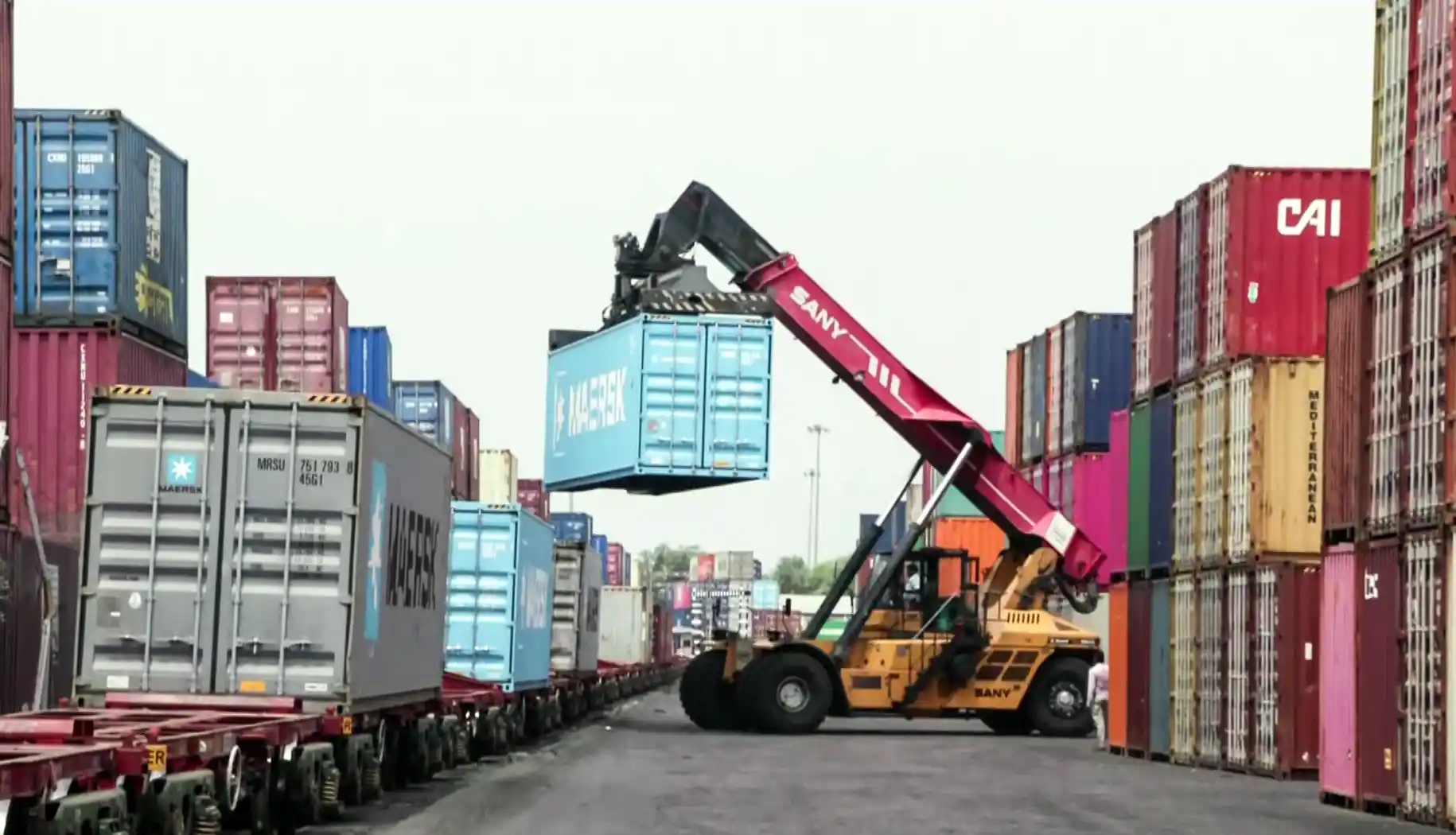
The numbers tell a compelling story. Bilateral trade between India and the UK already hovers around $56-60 billion annually. The CETA is projected to help double that figure to $100 billion by 2030, injecting significant momentum into both economies. For Indian exporters, the deal is transformative: nearly 99 percent of Indian goods now enter the UK market duty-free or with sharply reduced tariffs. Labor-intensive sectors such as textiles, garments, leather, footwear, marine products, gems and jewelry, and pharmaceuticals stand to gain immediate advantages. Indian MSMEs, often the backbone of the economy, will find new doors open in a high-value market that prizes quality and innovation.
British businesses, meanwhile, benefit from improved access to India’s vast consumer market. Reduced duties on British whisky, gin, automobiles, medical devices, aerospace components, and food products like salmon and lamb will help UK exporters compete more effectively. The agreement’s phased tariff reductions and rules of origin provisions provide the predictability that businesses crave, lowering uncertainty that has long acted as a hidden tax on trade. Estimates suggest the deal could add billions to the UK’s GDP and support hundreds of thousands of jobs across both nations.
Beyond goods, the CETA’s services and mobility chapters are particularly noteworthy. They facilitate greater movement for professionals, contractual service suppliers, business visitors, and specialists — including in high-demand fields like IT, engineering, finance, and even cultural sectors such as yoga instruction. For aspirational young Indians, this means expanded opportunities abroad without the bureaucratic hurdles that have historically constrained talent flows. For the UK, it ensures access to skilled workers and deepens ties in a knowledge economy where India’s demographic dividend and digital prowess offer a natural complement to British expertise.
What makes this agreement especially timely is its alignment with broader strategic realities. As supply chains diversify away from over-reliance on any single partner, the India-UK partnership strengthens resilient, democratic alternatives. India, with its ambitious “Make in India” and “Atmanirbhar Bharat” initiatives, is positioning itself as a manufacturing and innovation hub. The UK, seeking to leverage its post-Brexit agility, finds in India a partner whose economic trajectory is ascendant. This is not charity or nostalgia for colonial ties; it is hard-headed mutual interest. Both nations share commitments to the rule of law, English as a working language, and pluralistic societies — foundations that make economic integration more durable than deals driven purely by transactional calculus.
Critics may point to the inevitable adjustments required on both sides. Some Indian sectors may face increased competition from British imports, while UK farmers and manufacturers will need to adapt to new dynamics. Yet the agreement’s comprehensive nature — spanning 29 chapters, including provisions on digital trade, intellectual property, and sustainable development — includes safeguards and transition periods designed to manage these shifts responsibly. History shows that well-crafted trade pacts, from NAFTA’s evolution to the EU’s single market, ultimately raise living standards even as they demand adaptation. The CETA’s focus on MSMEs, skills development, and inclusive growth suggests its architects learned from past lessons.
The deal also carries important geopolitical weight. In a multipolar world, stronger economic bonds between major democracies help counterbalance authoritarian influences and promote stable global governance. India’s growing role in the G20, Quad, and global South leadership, paired with the UK’s convening power in the Commonwealth and its financial hubs, creates synergies that extend far beyond bilateral ledgers. Enhanced trade reduces vulnerability to disruptions, whether from pandemics or conflicts, and fosters people-to-people ties that build long-term trust.
For consumers, the benefits are immediate and everyday. Cheaper Indian textiles and pharmaceuticals in British stores; more accessible British premium goods in Indian markets. Families gain from lower prices, while exporters and their employees see new avenues for prosperity. In India, where millions still seek pathways out of poverty, export-led growth in labor-intensive industries can be a powerful engine for job creation and rural development. In the UK, the pact supports levelling-up ambitions by opening markets for regional producers.
The India-UK CETA arrives at a moment when global trade architecture feels fragile. Multilateral efforts at the WTO have stalled, and mega-regional deals face political headwinds. In this context, ambitious bilateral agreements like this one — comprehensive, modern, and mutually beneficial — offer a pragmatic path forward. They prove that even amid great-power competition, countries can choose collaboration over confrontation, openness over closure.
As the agreement takes effect, its success will be measured not just in trade volumes or GDP increments, but in improved livelihoods and strengthened democratic solidarity. For India, it accelerates its journey toward developed-nation status by 2047. For the UK, it reaffirms its status as a global trading nation. Together, they demonstrate that thoughtful diplomacy can deliver shared prosperity in an uncertain world. Policymakers elsewhere would do well to study this model. In the end, the CETA is more than a contract between two capitals; it is an investment in a future defined by opportunity, resilience, and partnership.