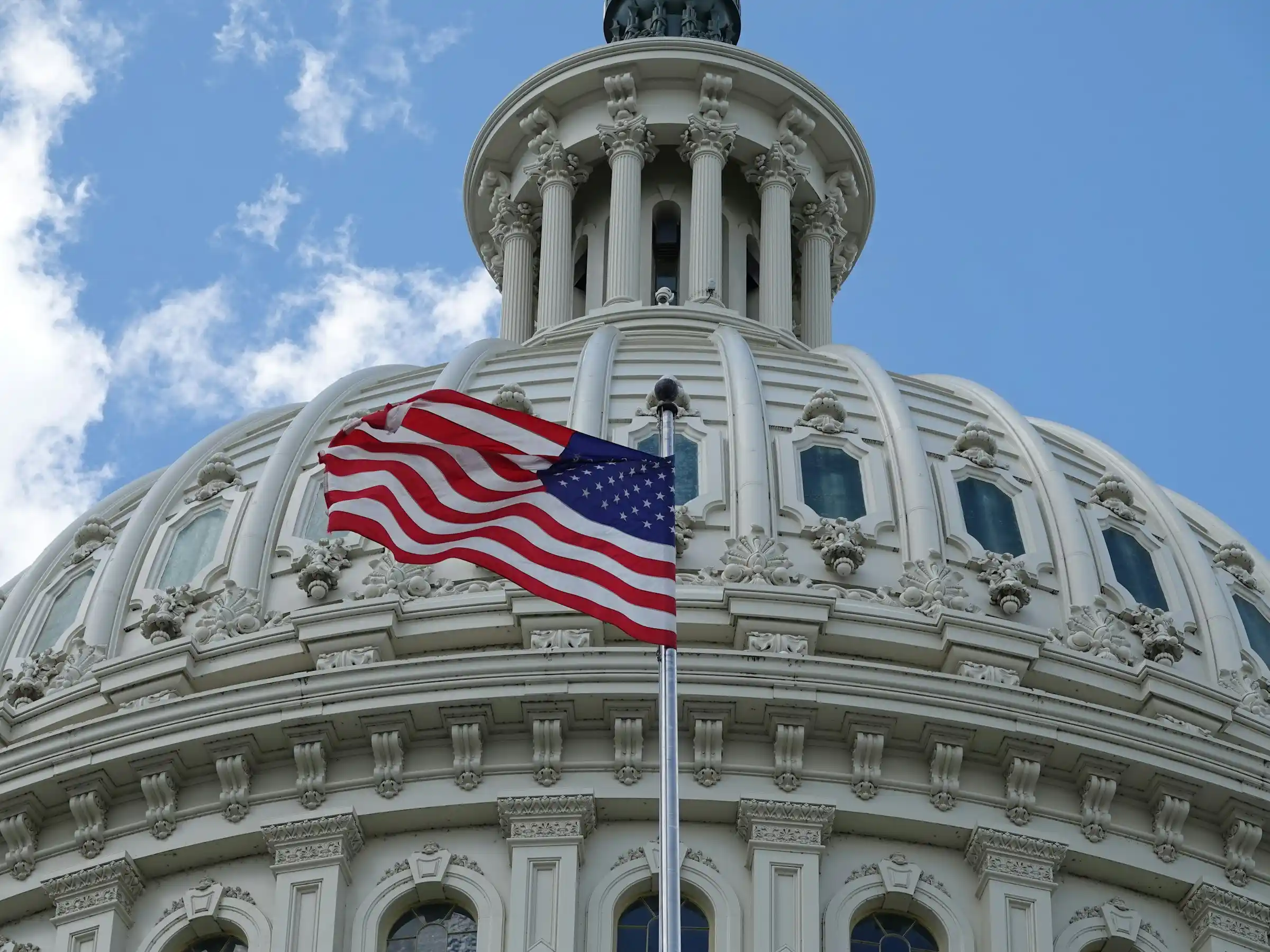
On Tuesday, American voters handed Donald Trump the kind of rebuke presidents dread. Democrats are projected to have taken both the House and the Senate, flipping seven Republican-held Senate seats, including Texas, Ohio, Maine and the Carolinas, and roughly two dozen House districts, with counting still underway. Even Vice President JD Vance has conceded the obvious, blaming the rout on the war with Iran. Tariffs, and the prices voters tie to them, did the rest.
For India, the instinct will be to read this as relief. That would be a mistake. The midterms do not end Trump’s India policy; they change who else is in the room.
Start with trade. Nine months after Trump and Prime Minister Modi announced a framework for an interim deal, nothing has been signed. The promised 18% tariff was never applied. Since July, most Indian goods have instead faced a 10% Section 301 duty, after the US Supreme Court ruled in February that emergency powers do not authorise tariffs. Last month Washington waived the Russian-oil penalty, and Marco Rubio says a deal is “very close.” The US Trade Representative’s office has been far less sure.
There are now two readings of what a wounded Trump does next. One, from the Global Trade Research Initiative’s Ajay Srivastava, is that he leans harder on executive powers to squeeze a quick win out of New Delhi. The other, heard from analysts across Asia this week, is that trading partners now have room to wait him out. Both are partly right, and that is the trap. Tariff authority still sits largely with the White House. A Democratic Congress can hold hearings on what tariffs cost American shoppers, but it is unlikely to legislate them away.
So India should neither rush to sign a lopsided deal to hand Trump a trophy, nor stall on the assumption that the pressure has gone. The framework on the table is unusual: Washington keeps its regular tariffs while India cuts its own on most industrial and many farm goods, an arrangement trade lawyers warn sits awkwardly with India’s WTO commitments. A weaker president has less leverage to demand that bargain. Piyush Goyal’s stated test — proceed only if Indian exporters gain an edge over their competitors — is the right one. Hold to it.
Then there is talent. Indians receive roughly 70% of H-1B approvals and absorb most of every new curb, from the $100,000 charge on certain petitions to bills that would suspend new visas outright. Those bills came from Republicans such as Senators Tim Sheehy and Bernie Moreno. With Democrats set to run the committees that handle immigration from January, they are far less likely to move. But Democrats are not uniformly friendly; parts of the party’s labour wing want their own H-1B overhaul. Relief is likely. A free pass is not.
The deeper lesson is about how India works Washington. For two decades New Delhi prided itself on bipartisan goodwill in Congress. In Trump’s second term it bet heavily on leader-to-leader chemistry, and got 50% tariffs and friction over Pakistan for its trouble. Congress matters again now: it controls budgets, oversight, confirmations and the mood around the defence and technology deals that anchor the partnership.
That means Indian officials should be on Capitol Hill this winter, not only in the West Wing. Engage the incoming Democratic chairs on tariffs, visas and supply chains. Treat Indian-American lawmakers and a diaspora that leaned two-to-one Democratic in pre-election polling as interlocutors, not cheerleaders. And keep the strategic case, China above all, in front of both parties.
Trump still has two years and a pen. But Tuesday reminded the world that America is not one man. India’s diplomacy should start acting like it.