
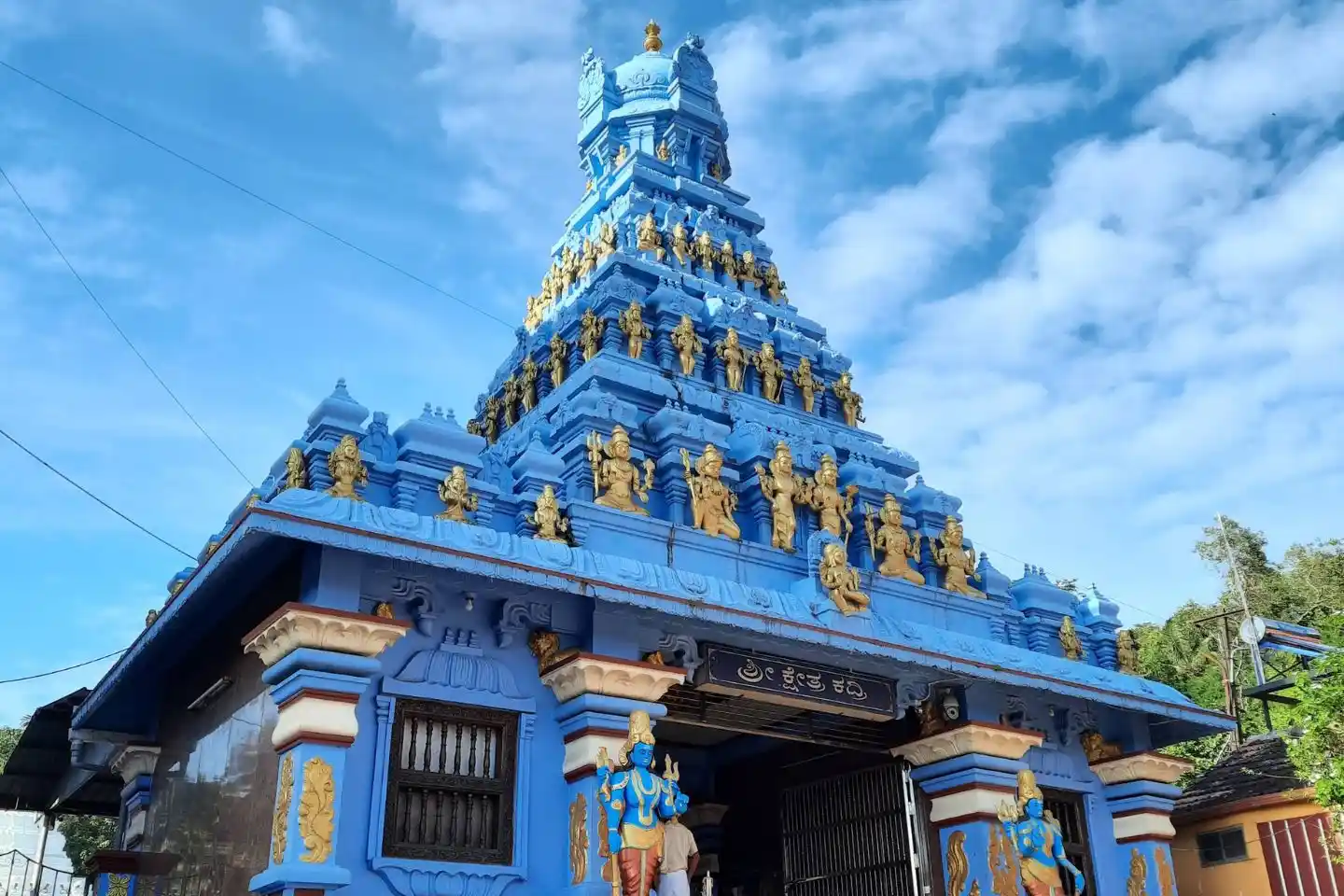
Climb the steps of Kadri Hill in Mangaluru, and you enter a realm where gods share space across faiths and centuries. At the heart of Kadri Manjunath Temple—a Shiva shrine revered by thousands—lurk rare treasures: exquisite Panchaloha idols embodying Vajrayana Buddhism’s esoteric grace. These aren’t dusty relics relegated to a museum; they’re living icons, their enameled eyes gleaming amid Shaiva rituals, whispering of a time when this hilltop vihara pulsed with tantric chants and bodhisattva devotion.
Imagine a 5-foot bronze figure, seated in padmasana, its three faces serene yet commanding, six arms cradling lotuses and ritual objects. This is Lokeshwara (Avalokiteshvara), cast around 968 CE by Alupa king Kundavarma in “Kadarika Vihara”—the original name etched on its pedestal, calling Mangaluru “Mangalapura.” Crafted from Panchaloha—a sacred five-metal alloy of copper, zinc, tin, lead, and traces of gold or silver—the idol’s crown bears a Dhyani Buddha, flanked by an ornate prabhavali and attendants. Its preserved enamel eyes catch the light like jewels, a testament to Chola-era mastery that traveled south.
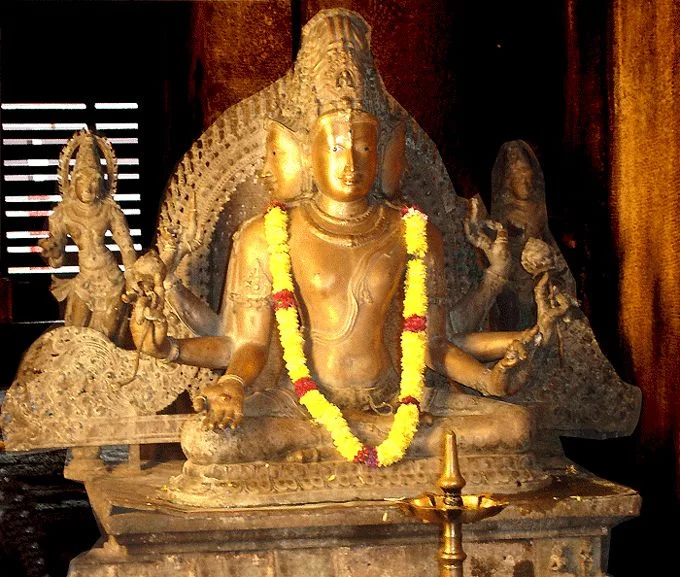
But Lokeshwara isn’t alone. Flanking it are two companion bronzes of matching finesse: Avalokiteshvara (rechristened Narayana) and a meditative Buddha (Vedavyasa). These Panchaloha masterpieces, undated yet stylistically kin, form a triad rare in South India. Vajrayana hallmarks abound—multi-armed forms, tantric poise, meditative crowns—marking Kadri as a coastal outpost of Mahayana’s esoteric wing. Scholars like M. Govinda Pai identify it as a hub for Manjusri worship, the bodhisattva of wisdom, where Shiva lingas and bodhisattvas coexisted for centuries before full Shaiva assimilation.
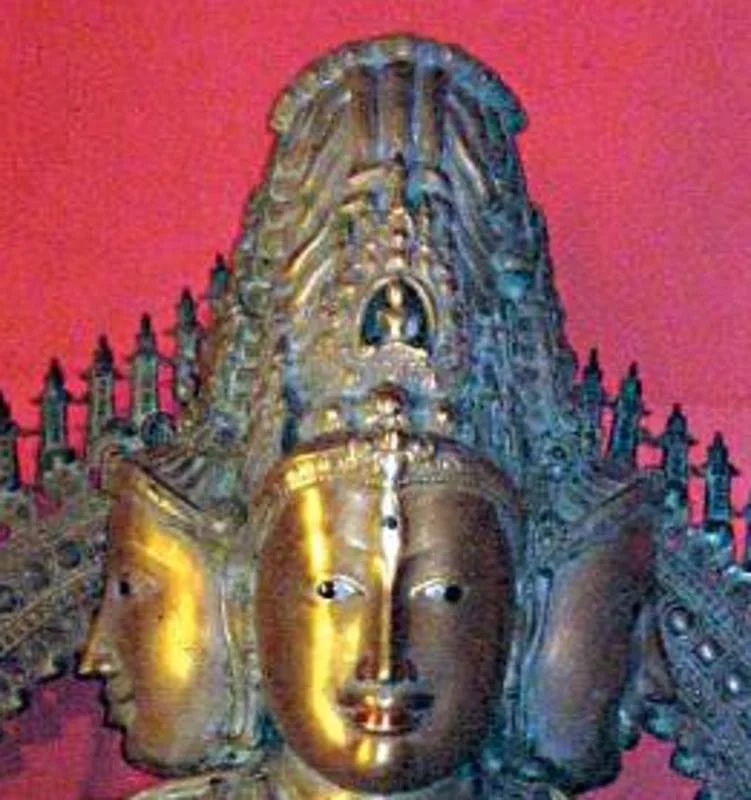
Why Panchaloha? This alloy wasn’t mere metallurgy; it was alchemy for the divine. Revered in Agama texts for conductivity of prana, its golden hue symbolized cosmic balance—five metals mirroring panchabhuta (earth, water, fire, air, ether). Casting demanded lost-wax cire-perdue, a secretive art where wax models vanished into molds, birthing idols believed to house the deity’s spirit. At Kadri, these weren’t mass-produced; each was a yogic feat, likely forged locally or imported from Chola ateliers, enduring Vijayanagara rebuilds into granite splendor.
The intrigue deepens with Kadri’s layered saga. Buddhism thrived here till the 10th century, fueled by northern monks seeding Vajrayana amid Tulu spirit cults. Enter the Nath Pantha—tantric yogis like Matsyendranath and Gorakshanath, whose Hatha practices echoed Buddhist tantra. Their Jogimutt atop the hill blended Shiva-Shakti with Vajrayana remnants, installing memorials like “Manju Natha” (Manjusri’s echo). King Kundavarma, a Shiva devotee, enshrined Lokeshwara not as conquest, but integration—his inscription proclaims the vihara’s sanctity while honoring the bodhisattva as Shiva’s compassionate form.
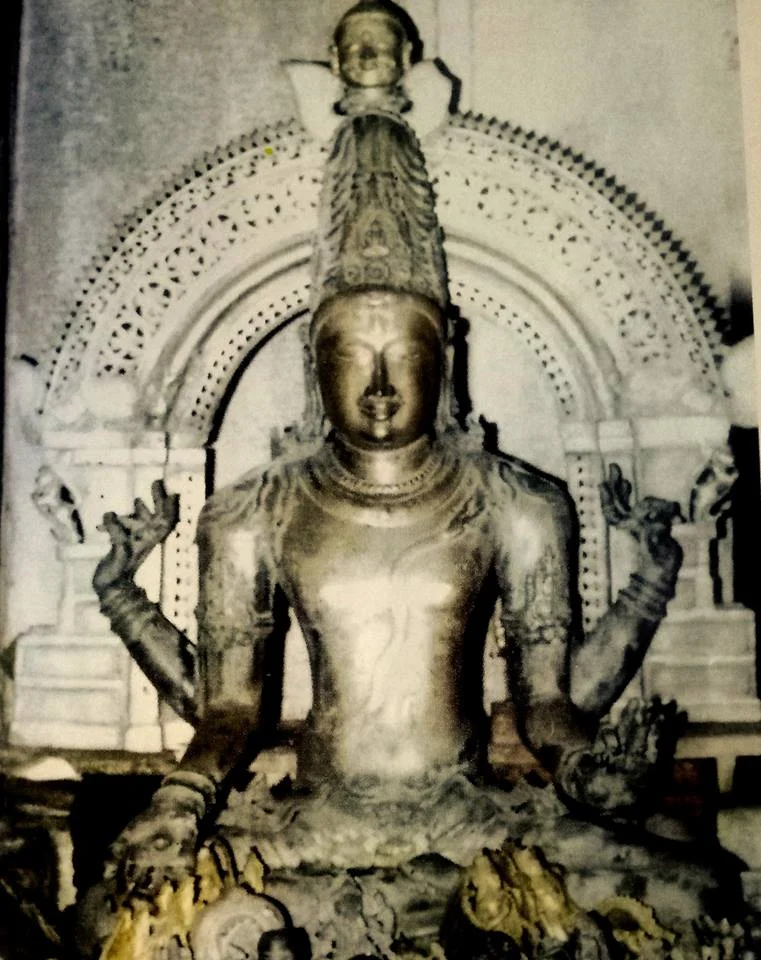
Wander the complex: nine elevated tanks fed by Gomukha spring (legend: Ganga from Kashi), Pandava Caves for ascetics, statues of Machendranath, Manjushri, and Buddha amid Shiva’s Udbhava linga. Annual Jathre erupts in chariot processions, deepotsava, and mass feedings—Hindu pomp veiling Buddhist undercurrents. Yet these idols endure, worshipped syncretically, their Vajrayana aura intact.
Kadri’s Panchaloha trio captivates because they defy erasure. In a land of fluid faiths, they embody resilience: Vajrayana’s tantric fire transmuted into Shaiva fervor, yet unquenched. They’re not “hidden”—priests anoint them daily—but portals to a pluralistic past. For heritage seekers, Kadri isn’t just a temple; it’s a bronze bridge across epochs, where Avalokiteshvara’s gaze reminds us: divinity adapts, alloys endure. Visit at dawn; let the alloys hum with 1,000 years of secrets.

