Why New Delhi Must Navigate a Weakened Yet Formidable White House
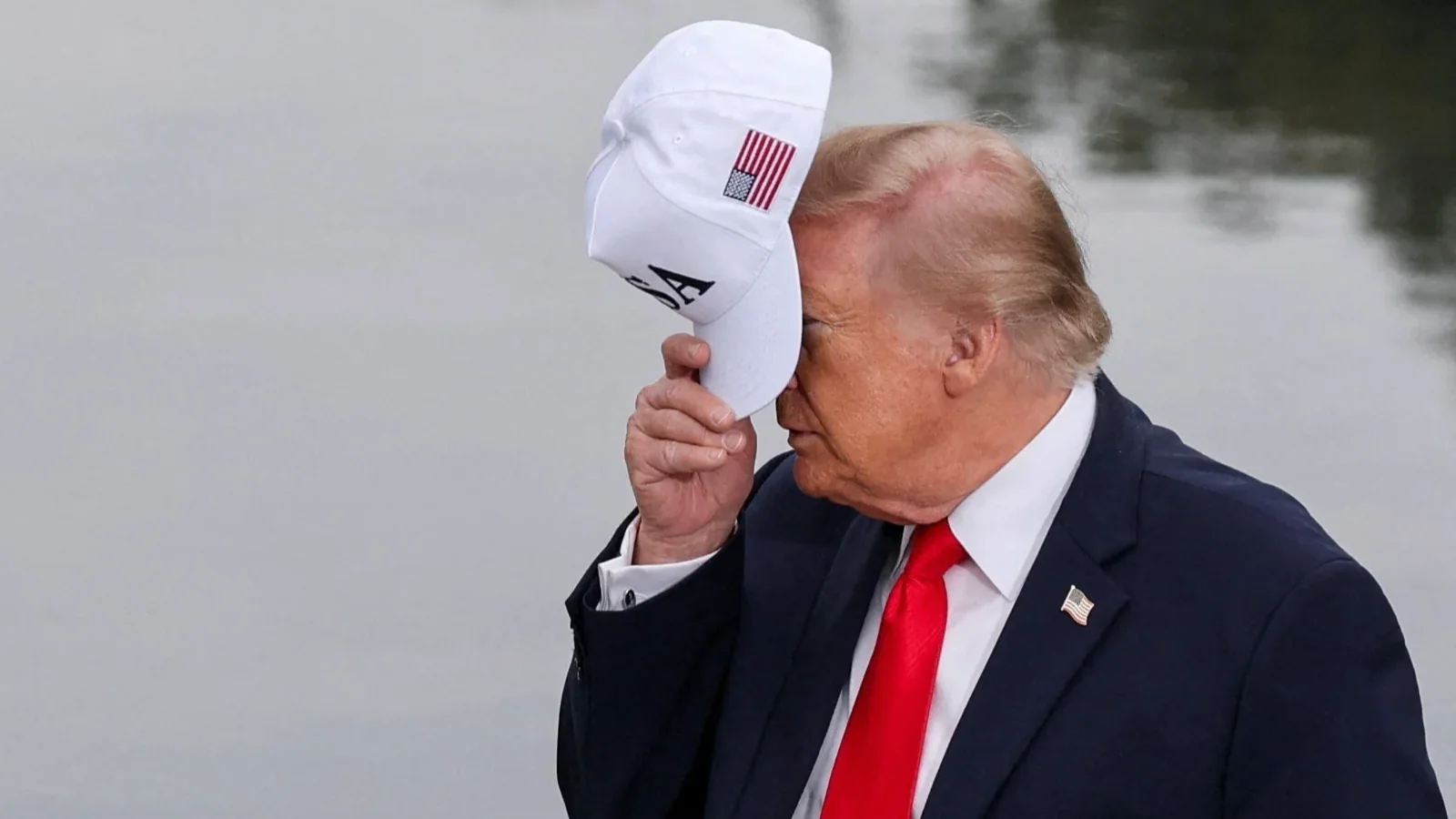
The Blue Tsunami of Democrats swept the mid-term elections, delivering a major blow to the Republican Party, especially the Trump Administration, which, in an unprecedented result, lost the majority in both chambers of Congress. This political setback for Trump will change the US’s obsession with muscular overreach and, most fundamentally, the Donroe Doctrine.
The Trump Challenge
Trump’s core challenge now is to adopt a balanced strategy instead of aggressive, whimsical policy decisions. The Trump Administration now faces more intense scrutiny, which can tone down the Administration’s reckless and muscular overreach that cost Republicans a humiliating defeat. Such political speed breakers are not new in US political drama, where elections tone down US Presidents’ egos. The 1966 mid-term election is a key case of power moderation. The then President Lyndon Johnson fiercely escalated the Vietnam War through massive, unilateral troop deployments while simultaneously forcing a dense, rapid-fire slate of polarising “Great Society” social legislation through a compliant Democratic Congress. In 1966, a public weary of the escalating drafts, racial unrest, and rising inflation rebelled. The Democrats lost 47 seats in the House. The massive loss effectively killed the momentum of the “Great Society.” Faced with a newly formed conservative coalition of Republicans and Southern Democrats, Johnson’s domestic muscle completely withered. He spent the remainder of his term fighting defensively to secure basic tax surcharges to fund existing commitments rather than introducing coercive new mandates.
Similarly, the Bill Clinton administration received treatment comparable to the Trump administration after the mid-term election. The Clinton administration was highly ambitious but witnessed a Republican revolution in the 1994 mid-term election. The 1994 midterms saw the GOP flip 54 House seats and 7 Senate seats, taking absolute control of Congress for the first time in 40 years. Clinton famously declared that “the era of big government is over,” abandoning the aggressive push on some policy decisions, especially universal healthcare, entirely. In 2006, then-President George Bush, riding high on his 2004 re-election, claimed he had earned “political capital” and intended to spend it. He aggressively pushed for the privatisation of Social Security at home while fiercely doubling down on coercive actions, especially in the Iraq War. However, the 2006 midterms cost Republicans 30 House seats and 6 Senate seats, giving Democrats control of both chambers. The result led to the evaporation of his domestic overdrive and even the resignation of his Defence Secretary, Donald Rumsfeld, the architect of the unilateral defence policy.
The Trump administration now faces the same situation: it must readjust and balance its administration or face intense scrutiny from Congress that could inflict more political damage. The muscular overreach in Iran and the insanity in sanctions and tariff wars are power plays that must now be regulated. The US President still has one way out: bypass Congress by pivoting to unilateral executive actions, using Executive Orders (EOs), national emergency declarations, and administrative rules to bypass the legislature aggressively.
As former President Barack Obama said after losing the 2010 mid-term election, “I’ve got a pen, and I’ve got a phone,” signalling his intent to bypass Congress. Former Presidents like Obama and Bill Clinton used their constitutional powers to issue executive orders on immigration and land-regulatory issues. The most notable action came from former President Ronald Reagan, who, after losing control of Congress, bypassed the Boland Amendment, which banned U.S. government financial assistance to the Nicaraguan Contras. Reagan’s administration’s decision to bypass the legislative restriction entirely through various constitutional or administrative provisions led to the cover arms sales to Iran to fund the Contras behind Congress’s back illegally.
Though it was a strategic necessity from a national security point of view, as it was done to rescue the CIA station chief of Lebanon who was taken hostage by the Iran-backed proxy Hezbollah, one cannot deny that US Presidents do hold considerable powers to even bypass legislation in the name of security and national interests.
In short, the US President has two key mechanisms. First, Executive Orders & Memoranda: Direct mandates issued to federal agencies that carry the full force of law, used to establish new civil service rules, enforcement priorities, or institutional changes. Second, Administrative Rulemaking, which instructs federal agencies (like the EPA, FDA, or SEC) to rewrite regulations or interpret existing laws in highly aggressive, expansive ways to achieve policy goals. These two mechanisms, along with emergency powers, put the US President in a powerful and influential position, despite political heat and defeats, to maintain the balance of power and continue managing policy and strategic issues with little pressure. The key example is Bill Clinton’s Triangulation strategy, which led to his historic re-election in 1996 despite the 1994 mid-term humiliation.
The Clinton Balance And Lesson For Trump
After defeat in the 1994 mid-term elections, Bill Clinton shifted to a balancing strategy dubbed Triangulation tactics. It was a sophisticated dual-track approach designed to reposition Clinton above traditional partisan battles, allowing him to selectively cooperate with Congress on popular issues while using executive actions to outmanoeuvre them on others. This allowed him to maintain his influence, protect his position, and secure re-election in 1996. Similarly, Trump could follow this strategy with some adjustments to aggressive elements or positions, as in Iran. He is still in a position to continue Special Operations in Iran and make policy decisions. However, increased oversight and influence from Congress will slow the pace of decision-making, as consequences and political factors can no longer be risked easily. The Republicans and the Trump administration have lost influence over Congress. Still, a balancing strategy like Clinton’s can help the Trump administration move with less friction and controversy.
The Indo-US Relationship
The Indo-US relationship gets some breathing room, especially on trade negotiations and issues with stark divergences. The toned-down influence of the Trump administration can now limit the US’s hawkish negotiating style, which often negotiates from a position of strength using coercive diplomatic tactics. This moderated White House mood can give New Delhi more room to push for a better deal framework. In short, Washington, D.C., and New Delhi may have more space to find common ground and address areas of divergence, further ironing out wrinkles in the relationship and strengthening it in the coming time.