Manipur, situated between Nagaland and Mizoram, shares the international border with Myanmar. A Hindu Kingdom for centuries, it is home to many tribes inhabiting the valleys and highlands, proud of their pre- Hindu heritage. The small state, along with some neighbors, has experienced political turbulence and violent ethnic strife. This has, unfortunately, resulted in viewing the region through a distorting lens. Monsoon festivals are the right time to dispel many misconceptions.
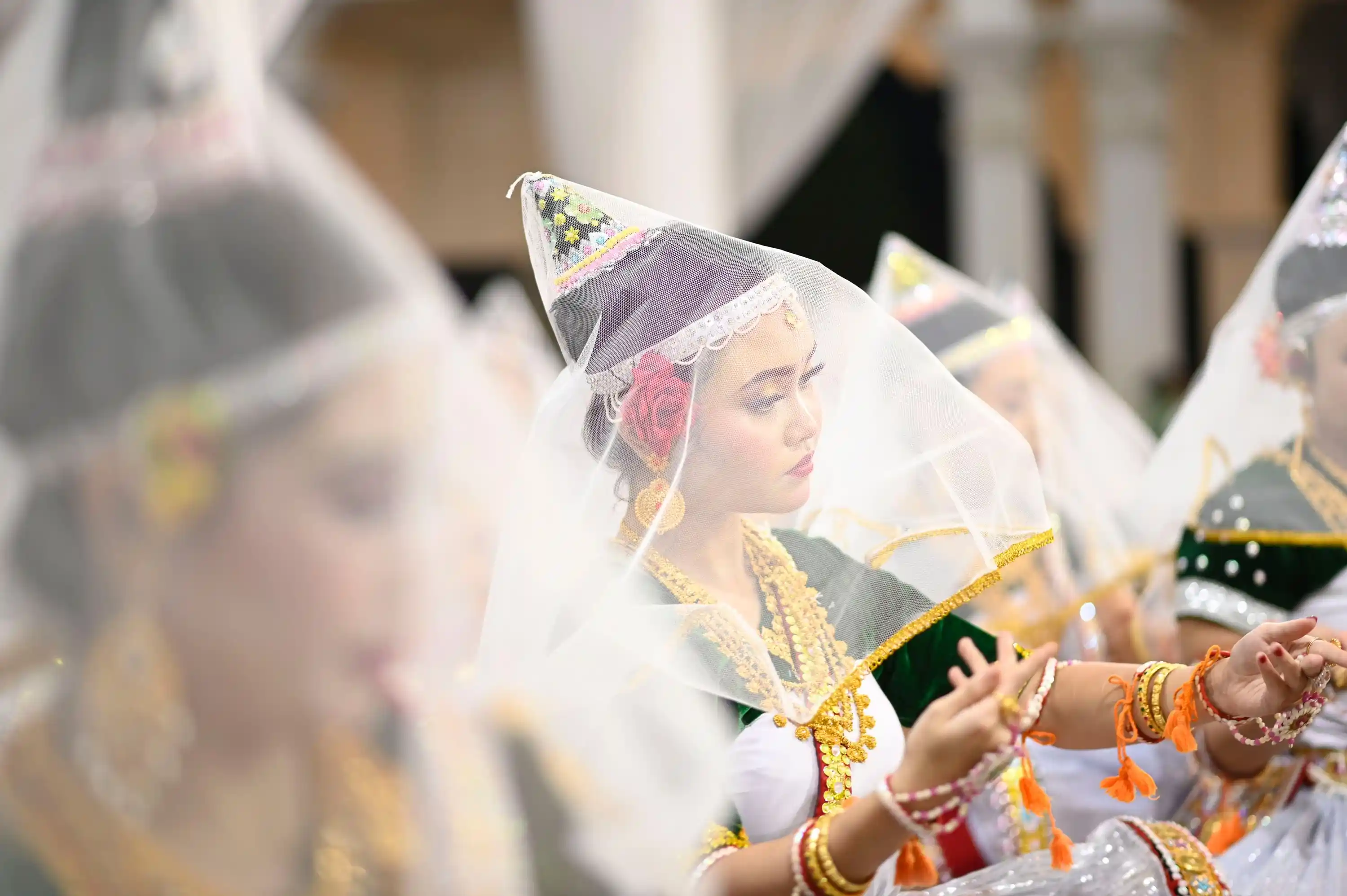
The lyrical Manipuri dance based on raas depicting the celestial love of Radha and Sri Krishna casts a mesmerizing spell. The rathyatra (the chariot festival) recalls the procession of Lord Jagannath in Puri in distant Orissa but has a distinct flavour of its own, like the festive foods in the north eastern region. Usho Uti classic stew made with yellow peas, tender bamboo shoots, thickened slightly with a pinch of baking soda. Kang gi Khechri is served traditionally on lotus leaves and is prepared as prasad during the Kang Chingba (Rath yatra) festival with rice, husked mung lentils, and a dollop of ghee. The community sits down to feast Ushop eschews onions and garlic.
Most of us tend to believe that those who dwell in the geographies beyond Assam are akin to aliens who eat very differently from the ‘mainlanders’. Nothing could be further from the truth. True, the tribal population consumes pork, water buffaloes, pigeons, snails, and insects, but let’s not forget these are eaten in many other parts of our vast and varied land. Lest we be misunderstood, it must be underscored that we aren’t interested in prioritizing vegetarian repasts. There is much in this repertoire- bamboo shoots, fiddle-head ferns, dried fermented green leafy vegetable, beans, lentils, and sticky rice that offers a variety to choose from.
In Meghalaya, Nathan litchi dried fish soup keeps the young frolickers dancing in puddles of muddy water warm. Arunachal’s major harvesting festival, Dree, has many attractive dishes based on bamboo hollow cooking, like the rice pudding yatang and apong- a tangy home-brewed rice wine. In Tripura, it’s time for Kharchi Puja, which seeks to cleanse accumulated sins and honor the nourishing Mother Earth. Langar-like community kitchens serving traditional foods are sprouting everywhere. Not all the fare is vegetarian. A seldom-encountered specialty outside the state is a thick broth made with snails and bamboo shoots, flavored with local condiments.
Mizoram and Nagaland are inhabited by different tribes that, in the pre-colonial past, roamed freely through forests, crossed rivers, hunted, and foraged. Fiercely independent in spirit, they have preserved their separate identities in costume and customs. Yet, there is much in common in the way they enjoy food, drink, song, and dance during joyous celebrations. Tulumi is a major day in the Sema tribes’ calendar, at the peak of the monsoon, when the new crop is shared at community feasts, washed down with tulumi wine in leaf goblets. Mom –Kut in Mizoram is the maize festival that parallels Minjar in Himachal Pradesh.
Sikkim, the second smallest state in India, is home to the Nepali Lepcha Bhutia, Tibetans, who have colorful festivals celebrated inclusively by different communities. In western Sikkim, Tharpu lets farmers unwind with good food, song, and dance during post-harvest leisure, and Thedong Lho Arum Fat honors the mythical mountain Tendong that once saved this land from devastating floods. In the northern region, Drukpa Tshe-Zi commemorates the Buddha’s first sermon. Foods traditionally served during festivals in Sikkim delightfully blend Tibetan, Nepali, and tribal flavors. Steamed dumplings, handmade millet noodles in wholesome broth, dried fermented greens and beans, along with millet or rice wine, have in recent years traveled beyond the borders of ‘the only totally organic state’ of India.
The tract of land now shared by the Seven Sisters and a Brother produces 97 percent of the agarwood, also known as oudh. It is one of the most precious aromatic substances traditionally used in incense sticks (the name agarbatti derives from it) in India, China, and Japan. The tree has been ruthlessly exploited and is on the verge of extinction. The perfumers and apothecaries are now sourcing it from Laos and Africa. Mount Malay, the intoxicating Gandhmadan, where sandalwood trees abound, made Mysore world-famous; there is no reason why the smoky, woody aroma of agaru should not be preserved as our shared heritage.
Recordings of Pandit Kumar Gandharva, the classical musician from Dewas, a small town near Indore, famous for his rendering of Kabir Bhajans (devotional songs tilting towards folk melodies), transport listeners to rapturous heights with his mystical, soul-stirring pukaar (call) – Agaru sugandh suhai!
Breathe in deeply to inhale and imbibe the magic of monsoon in the rainbow-hued land that otherwise remains covered in a haze of mist.