At a time when large dams and infrastructure projects in the Himalayas are drawing intense scrutiny over environmental degradation, geological instability, and displacement of communities, five northern states have come together to unlock the multipurpose potential of the Kishau Dam project, on the borders of two hill states—Himachal Pradesh and Uttarakhand.
The centre has also agreed to back one of the region’s largest river-valley projects, sharing the cost to support water supply, hydroelectric power generation, and strategic regional development, using the nation’s largest resource, the Himalayan River system.
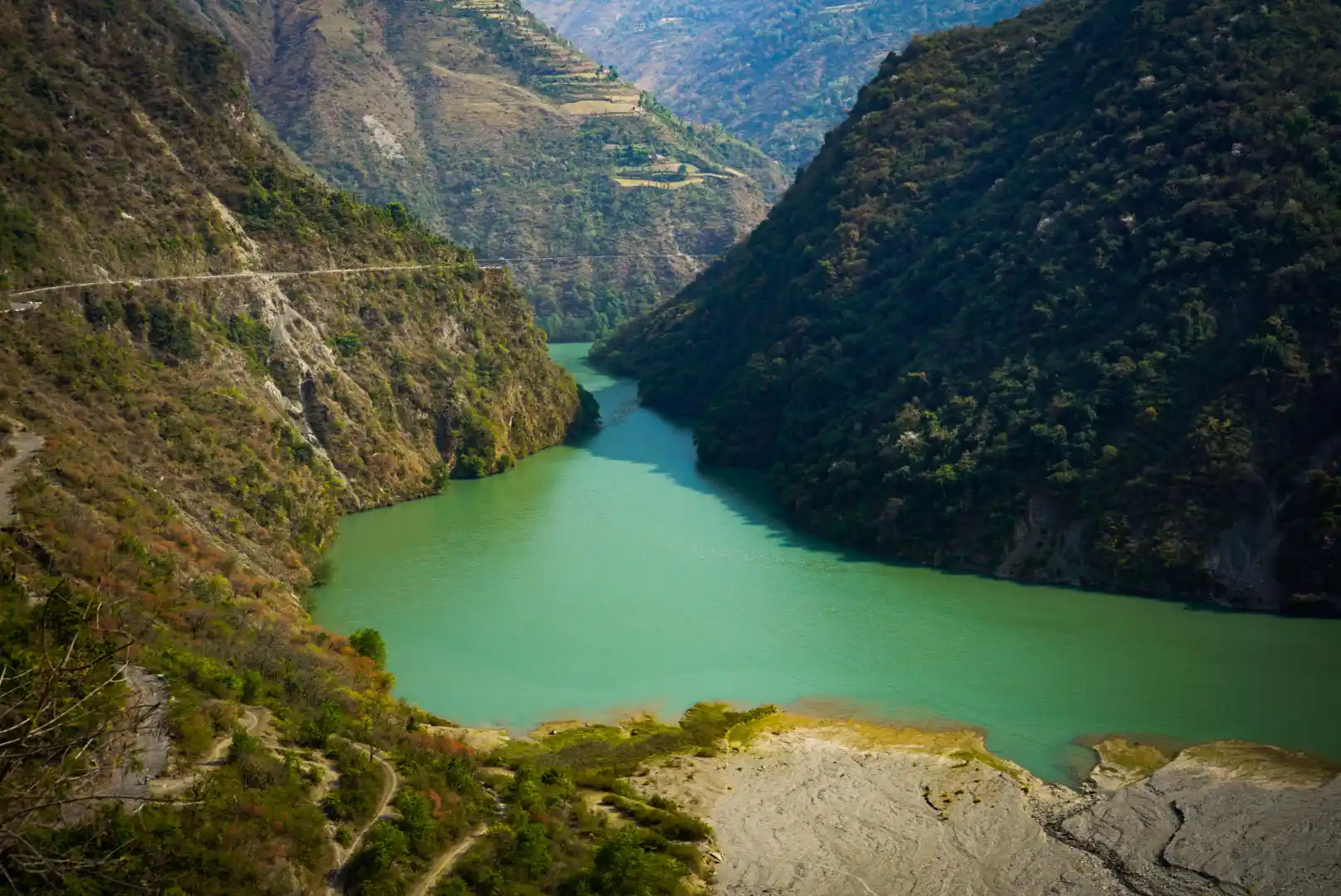
The Kishau Dam Project is a major multipurpose project to come up on the Tons River, the largest and longest tributary of the Yamuna river, located in the Garhwal region of Uttarakhand and Himachal Pradesh. The river Originates from the Bandarpunch glacier at an elevation of 6,315 meters and runs for about 150 km.
For years, the river project was regarded as a strategic asset for northern India, given its immense potential to augment water supply, generate hydroelectric power, and drive regional development. However, despite the willingness of the northern states to jointly bear the costs and harness the river’s multi-purpose benefits, the project failed to move beyond planning stages for years despite the efforts of the central government.
Last week, an eight-year stalemate ended as Himachal Pradesh agreed to facilitate the project after Union Home Minister Amit Shah brought the northern states to the negotiating table and forged a consensus on water security and benefit-sharing.
While the basin state, Himachal Pradesh, where the Congress-led government is in power, claims to have secured the state’s rights, making the Indian government share the financial burden, Himachal Pradesh would receive around 100 crore units of electricity annually, valued at nearly Rs. 600 crore, from the 422 MW project to be commissioned on the river.
Says Chief Minister Sukhwinder Singh Sukhu, “Himachal Pradesh’s river rights have finally been vindicated with the resolution of the funding dispute. The state will no longer have to contribute its earlier Rs 2,000 crore share towards the power component, as the Centre will bear the entire cost. This is a historic breakthrough and a major step towards securing the state’s rightful stake in projects built on its river resources.”
The Kishau Dam project is estimated to cost around Rs 15,000 crore. Of this, about Rs 2,000 crore towards the power component will be funded by beneficiary states—Rajasthan, Delhi, and Haryana with the centre providing grants on a 90:10 basis. Himachal Pradesh and Uttarakhand, which will bear the project’s environmental and social impacts, will not be required to make any financial contribution.
Following the agreement between the states, the proposal will now be placed before the Union Cabinet for final approval. “The centre will provide 90 percent funding for the water component, while the remaining 10 percent will be shared by the participating states,” confirms a senior official of the Ministry of Water Resources in New Delhi.
Earlier than this, the BJP-led Himachal Pradesh government had agreed to give Rs. 800 crore, the state’s share, which the incumbent government refused, putting the project at a halt. Under the new arrangement, Himachal Pradesh will get a revenue of Rs 600 cr per annum when the project is commissioned.
According to Sukhu, Himachal Pradesh and Uttarakhand will bear the brunt of the project’s social and environmental impacts, including the displacement of people. In such circumstances, it would have been unfair to expect the two states to also share the financial burden, and now their contribution to national development should be adequately compensated.
Kishau is expected to deliver several long-term benefits to the states.
While it is expected to help in meeting the rising electricity demand, the project will also improve irrigation and drinking water availability in downstream regions. Because it is a storage dam, it can help moderate floods during heavy monsoons.
For Himachal Pradesh and Uttarakhand, the project is also expected to spur investment, generate employment, and strengthen their integration with the national development goals of the Narendra Modi government.
Notwithstanding this, the environmentalists are voicing their concerns, as the large dam projects usually involve environmental and social concerns, including land acquisition, rehabilitation of affected families, and ecological impacts. These issues will need careful handling if the project is to move ahead smoothly and sustainably.
Says Harsh Mahajan, a BJP MP from Himachal Pradesh, “The real achievement lies not just in the dam itself, but in the centre’s success in harmonising the interests of multiple states. With environmental concerns acknowledged and benefits equitably shared, Kishau Dam can emerge as a model of cooperative federalism and India’s sustainable development.”