For the devout and pious Indian (or Indian Indonesian), the province of Sumatra is like comfort food. Replete with Indian temples of bewildering variety and preferences, Sumatra offers spiritual solace to seekers on a daily basis and draws them on festive occasions.
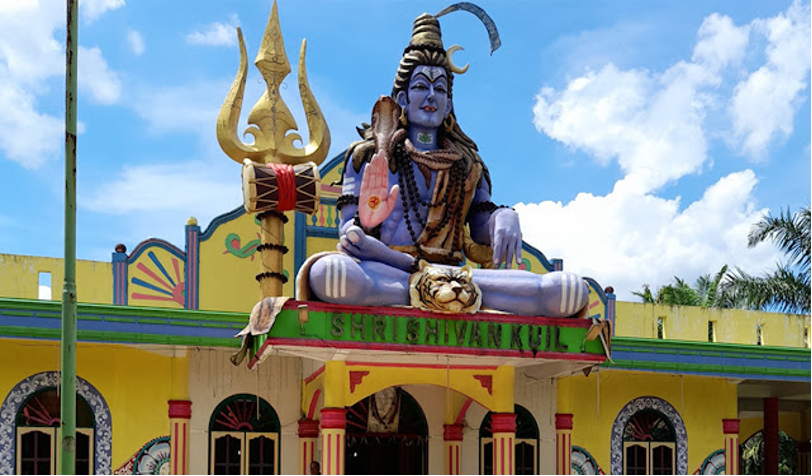
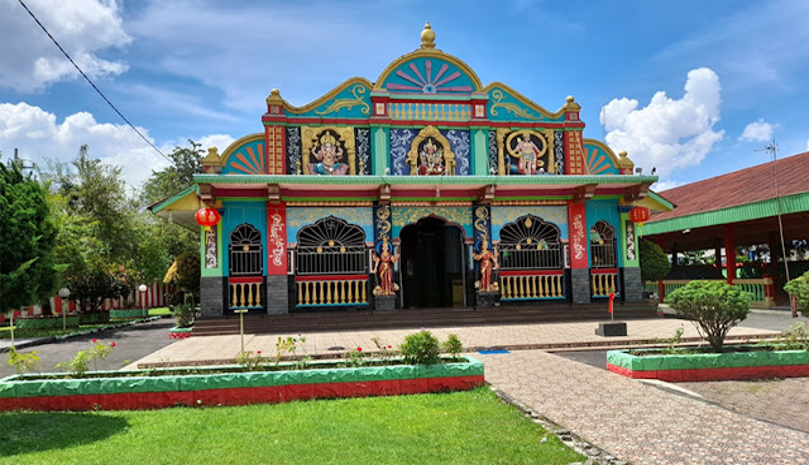
Among the many islands of Indonesia, Sumatra boasts of the largest congregation of traditional South Indian temples. Built by early Indian settlers from Thanjavur in the 1850-60s, the Mariamman, Kartikeya and Shiva temples in Medan and Binjai serve as important places of worship to Indians in North Sumatra and happen to be one of the oldest structures to be built.
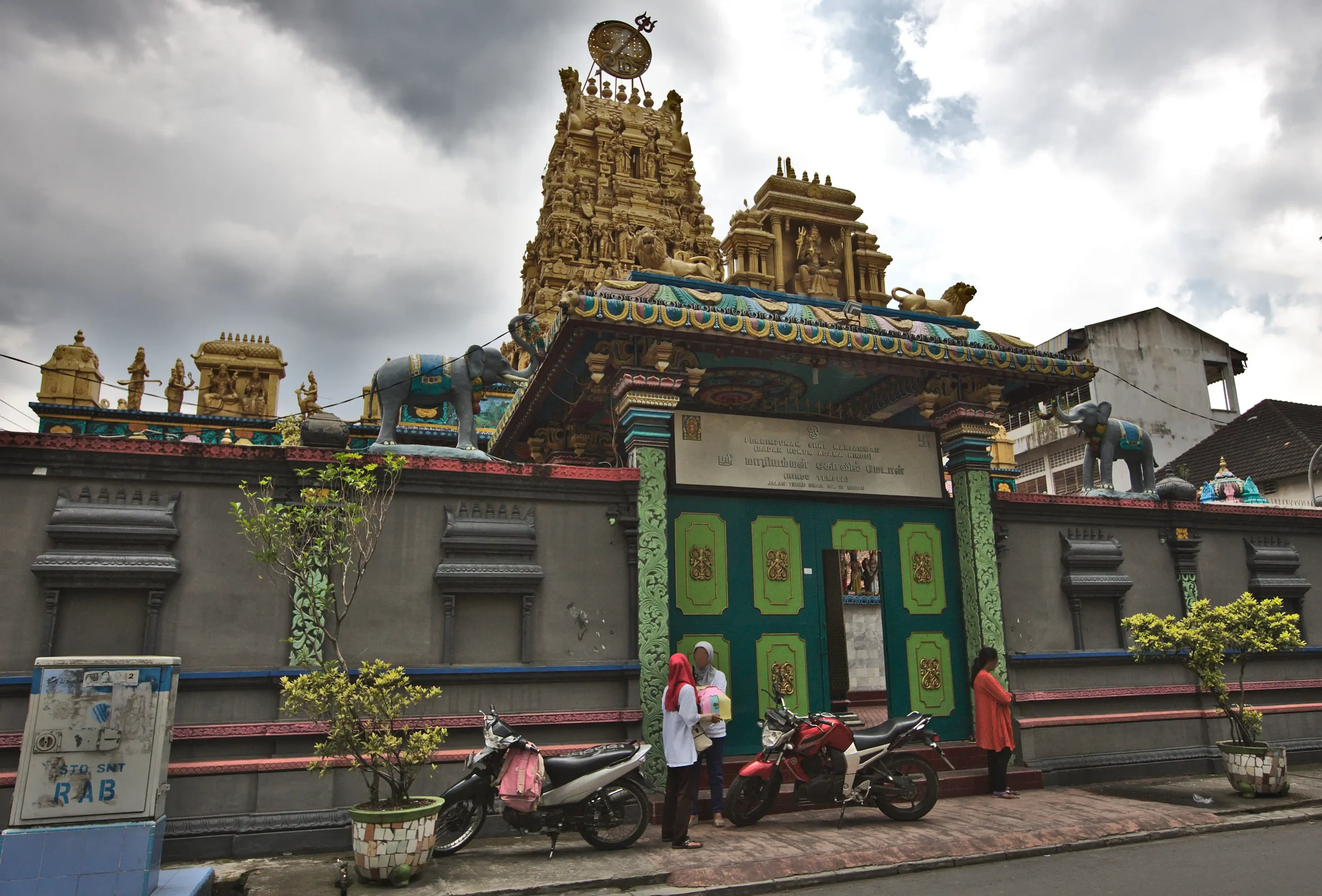
The Mariamman temple in Medan city is one of the oldest Hindu temples in Indonesia. Built in 1884 by early Tamil settlers and traders and located in ‘Little India’ area, it is a meeting point for people of Indian descent during festive season. This temple was built by co-operative efforts of the early Tamil settlers in Medan, who were workers at plantation companies in North Sumatra. The temple houses several statues of Lord Vishnu, Siva and Brahma and unique ornaments.
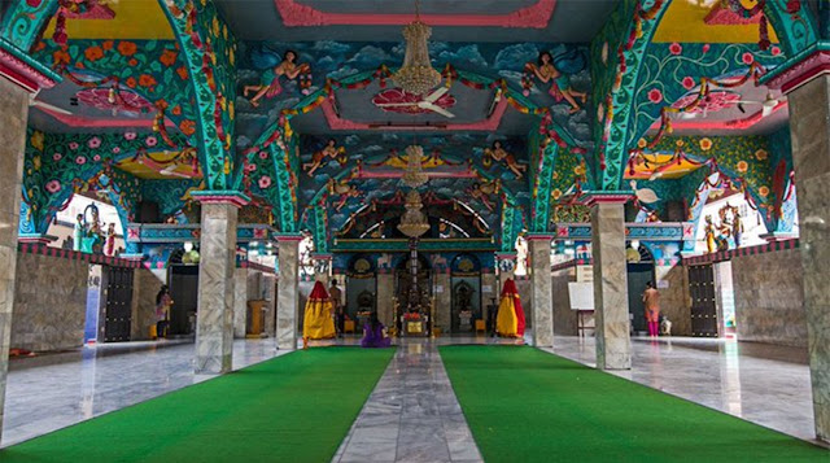
The local authorities of Sumatra actively support the celebration of major Indian festivals like Diwali, Thaipusam, Pongal and Navaratri by the Indian Indonesians. In particular, Thaipusam is celebrated with much devotion by the Tamil community in Medan who gather at Little India (Kampung Madras) to accompany a 125 year old chariot or Radhoo through the street leading upto the Mariamman temple. The Kavadi Attam can be witnessed even to this day, along with the traditional practices like the carrying a pot of milk, mortification of the skin through piercing of the tongue or cheeks with vel skewers (spears).
The Balaji temple on the outskirts of Medan is one of the modern structures. The construction of Shri Balaji Venkateshwara Koil was based on the demand of the Indian Hindu community who live around the temple, who felt the need for a place of worship. Built about 20 years ago, this temple is modelled on the Tirupati temple in India and some local Indians even refer to it as the mini-Tirupati, though it does not measure up to the Indian version in any way. Even today, the daily ceremonies are conducted by a priest from India. This temple has benefited a great deal from donations received from Indian origin people in Malaysia and Singapore.
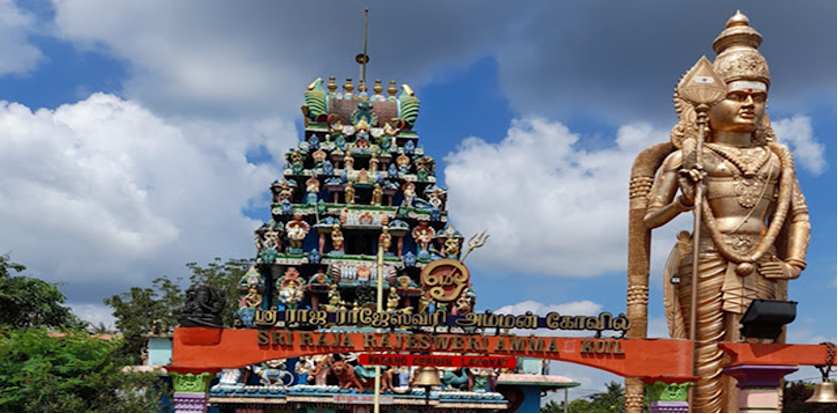
The Sitti Vinayagar, Hanuman and Ganesha temples in North Sumatra and the Shiva and Mariamman temples in Binjai draw devotees all through the festive seasons. All these temples have thrived over the years due to the patronage of the Indian origin population in Sumatra, which is estimated between 100,000-125,000.
Advent of Hinduism in Indonesia
Opinion is divided as to how Hinduism came to Indonesia. One theory attributes it to South Indian sea traders, scholars and priests bringing it with them to Sumatra, Java and Bali in 1st century AD. The other theory is that the then existing Indonesian Royalty actually invited Indian priests to bring their spiritual ideas and culture. Whichever is true, there already existed a Javanese tradition based on certain Hindu and Buddhist ideas in Indonesia, which made it easier for Indian culture, spiritualism and ideas to fuse seamlessly into the pre-existing Javanese folk religions, traditions and animistic belief system.
Delve into history
The advent of early Indian settlers led to the creation of early Kingdoms of Indonesia in 4th century such as the Kutai in East Kalimantan, Tarumanagara in West Java and Holing (Kalingg) in Central Java. Traces of the Indian Tamil communes have existed in North Sumatra for centuries, which is evidenced by the discovery of a corroded stone in Lobu Tua(Barus) in 1873.
The Madras Epigraphy Report 1891-1892 by E. Hultzsch, a British government epigrapher points to the fact that Tamil influence in Sumatra existed from very ages and was even used in public documents in the 11th century in parts of Sumatra. Excavations made between 1960 and 2005 at the Cibuaya and Batujaya sites unearthed the Tarumanagara revered deity Wisnu (Vishnu). Ancient Hindu Kingdoms of Java built many square Hindu temples and named local rivers on the island as Gomati and Ganges. These ideas continued to develop during the era of Srivijaya Empires in Sumatra.
Later Indian Kingdoms like the Singhasari (1222-1292), Majapahit kingdom (1293-1429), the kingdom of Medang (Old Mataram), Sriwijaya Empire and the invasion of powerful Hindu kings like the Cholas and Pandavas, all boosted and encouraged the building and preservation of Indian Hindu temples in various parts of Indonesia.
However, it is widely reckoned that the tradition of Indian temple building took a firm foothold in parts of Indonesia around the 8th century, when the first Shiva Hindu priests arrived in Bali after travelling through Myanmar, Cambodia, Sumatra and Java in their search for a place similar to their homeland of Mahabalipuram, an area near today’s Chennai.
In Indonesia, there are three types of Hindu temples- the ‘Candi’ which is the Javanese style, Puras of Bali and Kuils which is the traditional Hindu temple of Sumatra. The architectural features of the Indian temples in Indonesia differ widely among various ethnic groups. For instance, Balinese Hindu temples do not have a Gopuram adorning the top of the temple, unlike the Hindu temples in South India, where a Gopuram is a prominent feature.
Another distinction is that while Indian temples in India are primarily indoor places of worship, Balinese temples are designed as open air structures enclosed within a walled compound that are adorned by decorated roofed gates. However, the Indian temples in Sumatra follow the structure of the South Indian temples.
What distinguishes the Indian temples in Sumatra from the temples in South India are the vibrant colours painted on them. It is clear that these temples drew inspiration and financial support from similar temples built across South east Asia, particularly in Singapore and Malaysia.