
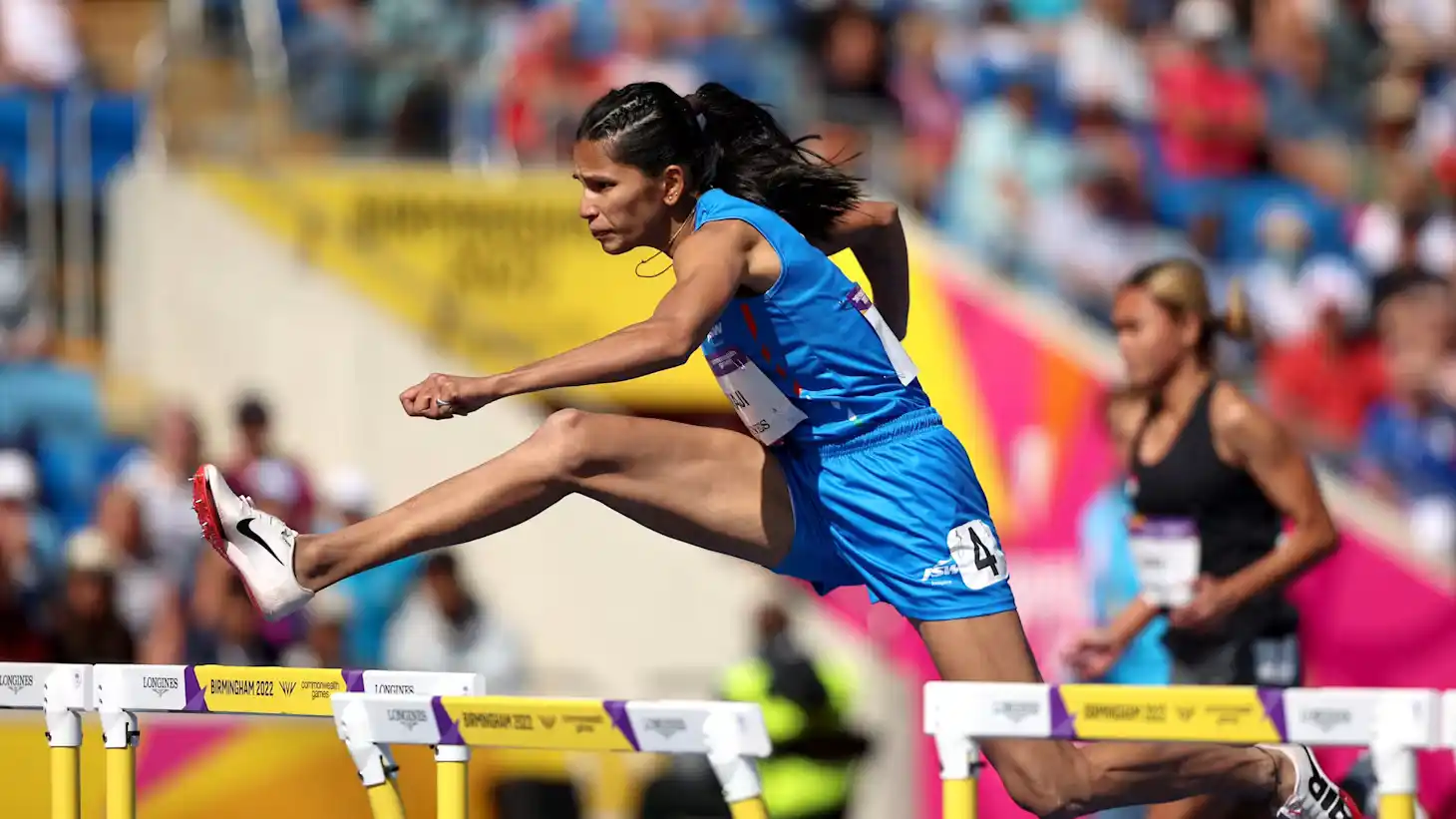
India’s sports economy is no longer a peripheral story of cricket fandom — it’s emerging as a central narrative in the country’s economic transformation. According to Deloitte’s latest forecast, the sector is expected to more than double from $30 billion in 2023 to $70 billion by 2030. That trajectory not only eclipses markets like Brazil but edges India toward parity with the United Kingdom’s $40 billion sports ecosystem. If this forecast holds, sport could soon represent one of the fastest-growing segments of India’s non-technology economy — a cultural and commercial juggernaut reshaping how the world sees Indian soft power.
No other country combines the scale of India’s audience with such low barriers to digital access. With 695 million smartphone users and 800 million internet subscribers, India’s sporting revolution is being livestreamed to billions of screens. The democratization of sports viewership — aided by the world’s lowest mobile-data costs — has redefined the economics of fan engagement.
During the last Indian Premier League season, JioStar’s platforms reached more than 1.1 billion screens, a statistic that underlines how digital platforms are not just distributing games but creating immersive, personalized experiences. Fans can now toggle between commentary feeds, camera angles, or AI-generated statistics. This technological intimacy has turned viewership into participation — a development that traditional broadcasters across the globe are trying to emulate.
Beyond Cricket: The Rise of Multi-Sport India
For decades, India’s sports identity began and ended with cricket. But that monoculture is breaking apart. Ninety percent of Indian sports fans now follow multiple sports. Kabaddi commands 120 million followers, football 85 million, and e-sports is becoming the new frontier for Generation Z.
Athletes such as Olympic gold-medalist Neeraj Chopra have expanded the imagination of what an Indian champion looks like. Each non-cricket success story not only broadens fan loyalty but diversifies sponsorship portfolios, merchandise categories, and media calendars. In short, India’s sports economy is transitioning from a seasonal cricket market to a year-round multi-sport ecosystem.
Building the Field of Dreams
Infrastructure — both physical and institutional — is catching up. Over the past four years, India’s central sports budget has risen from $260 million to $405 million, while the National Infrastructure Pipeline earmarks $2.4 billion for stadiums, academies, and training facilities. Government-backed programs are converging with private investment from leagues like the IPL, ISL, and Pro Kabaddi, whose broadcasting rights and sponsorships contribute billions to the overall market.
The parallel rise of the sports manufacturing industry underscores this momentum. Exports of sporting goods touched $497 million in the first ten months of FY 2025 and are expected to exceed $660 million by FY 2026. Production hubs in Jalandhar and Meerut dominate, but emerging clusters in Tamil Nadu, Maharashtra, and West Bengal are diversifying the base. Around 60 percent of India’s sports goods are exported — proof that “Made in India” is becoming a hallmark of global sporting supply chains.
Sports in India today is as much a data industry as an entertainment one. AI-powered highlight reels, multi-camera replays, and vertical-screen formats optimized for smartphones are creating new monetization avenues. Fantasy sports platforms, already attracting tens of millions of users, are transforming passive fandom into active engagement. Each click, prediction, or micro-transaction feeds a feedback loop of loyalty and revenue.
In effect, technology is converting emotion into economics — a model where every moment of sporting passion has a measurable value.
Women at the Centre of the Next Wave
The most transformative shift, however, may come from the rise of women’s sports. The Women’s Premier League (WPL) has proven that female athletes can command prime-time viewership and premium sponsorships. Broadcasters are investing in storytelling that celebrates women’s journeys as aspirational narratives — and audiences are responding.
This inclusion is not merely symbolic. It expands the fan base, draws in new advertisers, and aligns with global sustainability metrics that increasingly value gender equity. For a nation where half the population has been under-represented on the field, the economic and cultural upside is immense.
The Economic Ripple Effect
By 2030, India’s sports ecosystem could support 10.5 million jobs and generate $21 billion in indirect tax revenue. Its multiplier effects will ripple across tourism, education, health, and real estate. New careers — from sports science and analytics to event management and digital content creation — will make “sports professional” a mainstream aspiration rather than a niche dream.
If the last decade was defined by technology and finance, the 2020s may well be remembered as India’s sporting decade — a time when fandom became infrastructure, participation became employment, and digital screens became stadiums.
The challenge ahead is to ensure that this boom is inclusive, sustainable, and not overly dependent on a few marquee leagues. With the right balance of policy, private investment, and grassroots inclusion, India can convert its sporting passion into enduring economic power — not just a moment of glory, but a movement of growth.

