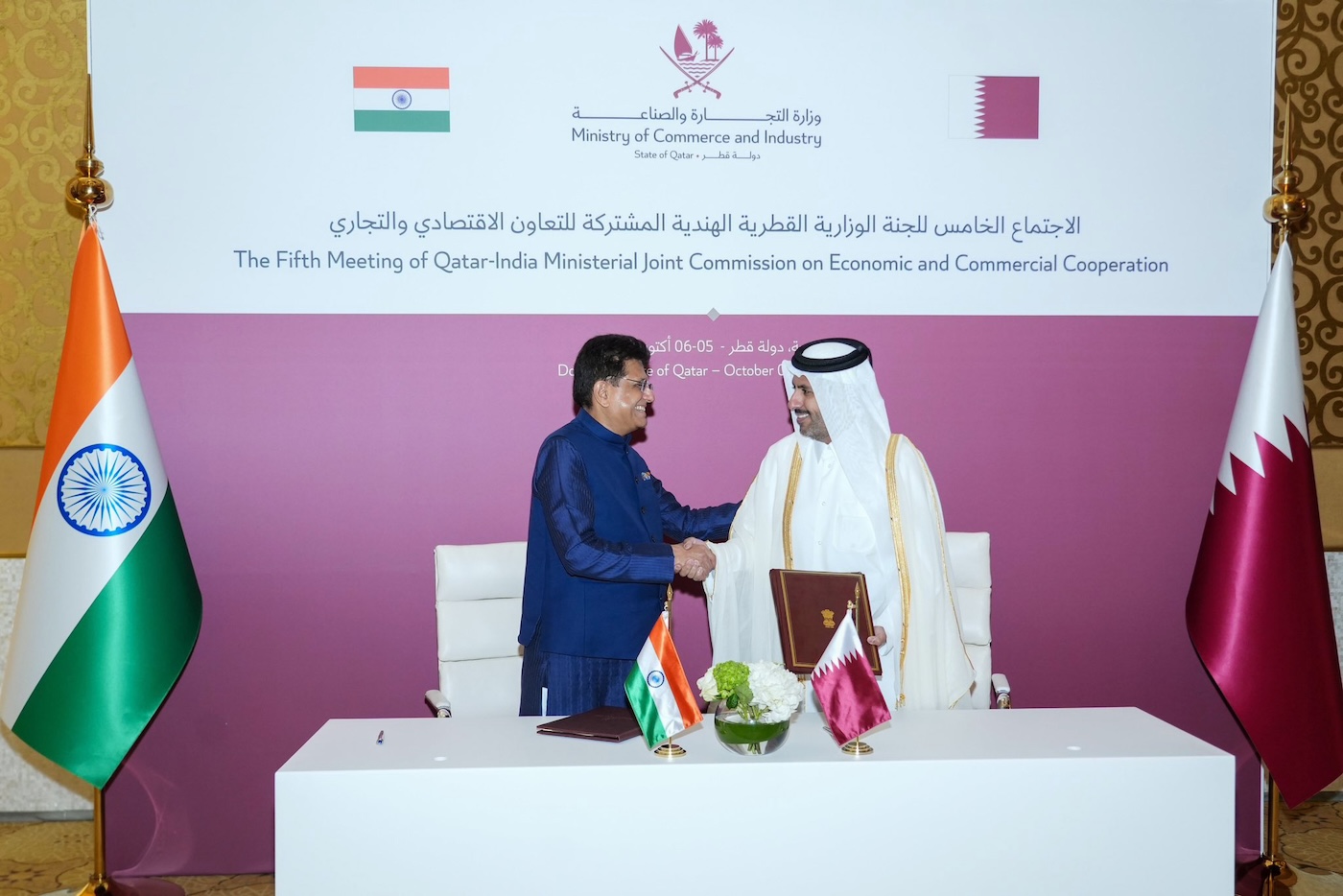
India is aggressively pursuing a strategy to double its trade with Qatar, aiming to boost bilateral trade from around $14 billion to $30 billion by the year 2030. This initiative is anchored in a quickly progressing Free Trade Agreement (FTA), which both countries expect to finalize by the third quarter of 2026, if not sooner, according to recent statements from Commerce and Industry Minister Piyush Goyal.
Why India Is Doubling Down on Qatar
India regards Qatar as a key economic and energy partner within the Gulf Cooperation Council. The trade relationship is currently dominated by India’s import of energy resources, especially liquefied natural gas (LNG), crude oil, butanes, and propane, which together make up nearly 90% of Indian imports from Qatar. By strengthening trade ties and signing an FTA, India seeks to:
- Diversify export markets for its goods.
- Ensure energy security.
- Cushion Indian exporters from rising tariff threats in markets like the US.
Current Trade Figures and Imbalances
For the fiscal year 2024–25, bilateral trade amounts to approximately $14.15 billion:
- India’s exports to Qatar: $1.68 billion.
- India’s imports from Qatar: $12.46 billion.
- Trade deficit: Nearly $10.8 billion in Qatar’s favor.
Energy imports (especially LNG) account for the largest chunk of Indian purchases, while Indian exports include products such as iron and steel, rice, jewelry, processed minerals, cars, machinery, electronics, and food items.
Roadmap: The FTA and Beyond
India and Qatar have agreed to expedite negotiations, with the terms of reference for a Comprehensive Economic Partnership Agreement (CEPA) expected to be finalized within weeks.
Key goals include:
- Significant tariff reductions to facilitate the flow of goods and services.
- Promoting joint ventures and tech collaborations in sectors like energy, infrastructure, chemicals, fertilizers, and food processing.
- Expanding Qatari investment in India, with Qatar already having invested around $4–5 billion and more capital in process.
Digital Trade and Financial Links
The adoption of India’s Unified Payments Interface (UPI) in Qatar is expected to streamline transactions for Indian businesses and expats, providing a digital backbone for future trade expansion.
Challenges and Strategic Significance
The trade relationship remains heavily lopsided due to India’s dependence on Qatari hydrocarbons. However, the FTA presents a chance to:
- Reduce the trade deficit by boosting Indian exports and creating industrial partnerships.
- Deepen strategic ties in West Asia, where Qatar offers both economic opportunity and energy security.
India’s intent to double trade with Qatar represents a strategic push to rebalance trade, secure energy supplies, and open new markets for Indian products and investments. Fast-tracking the FTA and expanding cooperation across multiple sectors will define the future of this economic partnership, with tangible benefits projected for both nations by 2030.