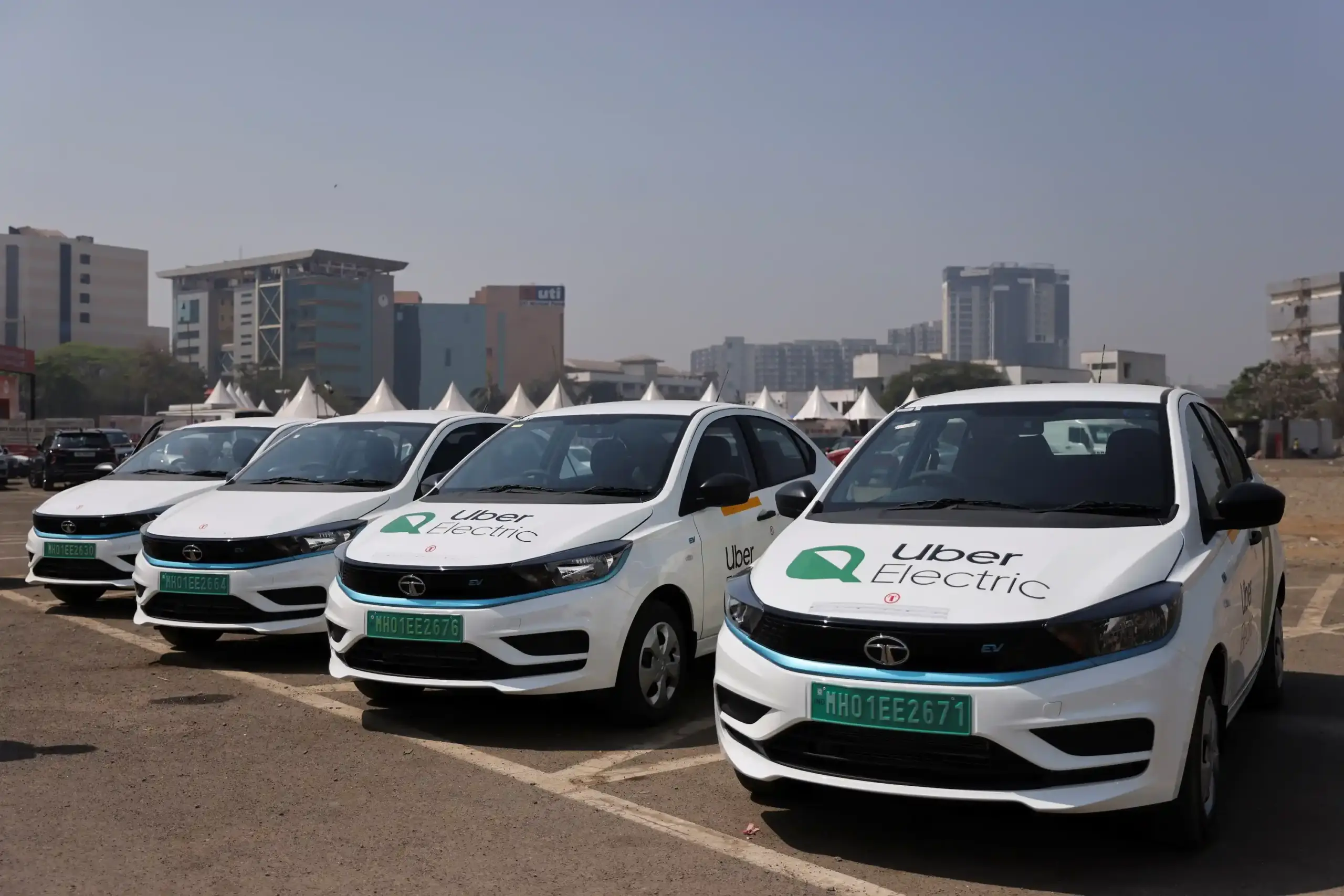
India’s push towards electric mobility represents one of the most ambitious transitions in its contemporary development trajectory. Driven by the dual imperatives of reducing carbon emissions and curbing dependence on imported fossil fuels, policymakers have outlined an aggressive roadmap for electrification of transport. However, the gap between policy ambition and infrastructure readiness continues to raise fundamental questions about the pace, equity, and sustainability of this transition.
At the policy level, the intent is unequivocal. Flagship initiatives such as the Faster Adoption and Manufacturing of Electric Vehicles (FAME) scheme, production-linked incentives (PLI) for battery manufacturing, and state-level EV policies collectively signal a strong governmental commitment. Several States have announced targets for electrifying public transport fleets, incentivising electric two-wheelers, and creating EV-friendly regulatory ecosystems. India’s long-term vision aligns with global climate commitments, particularly under the Paris Agreement, where transport decarbonisation is a critical pillar.
Yet, ambition alone does not ensure transformation. The most pressing constraint lies in the country’s charging infrastructure, which remains uneven, sparse, and often unreliable. While metropolitan centres such as Delhi, Mumbai, and Bengaluru have witnessed a gradual increase in public charging stations, large parts of the country, particularly smaller cities and rural areas, remain underserved. This creates a structural barrier to widespread EV adoption, reinforcing the so-called “range anxiety” among potential users.
The challenge is not merely numerical but also technical. Charging infrastructure must be strategically distributed, interoperable, and supported by a robust power supply network. Fast-charging stations, essential for commercial vehicles and long-distance travel, demand significant grid capacity and stability. In many regions, however, power distribution systems are already strained, raising concerns about their ability to handle additional loads without substantial upgrades.
Further, the absence of standardisation in charging protocols and connectors complicates the ecosystem. Different manufacturers often rely on proprietary technologies, creating fragmentation that undermines user convenience. A coherent national framework for interoperability is therefore essential to ensure that EV users can access charging stations seamlessly, irrespective of vehicle make or location.
Battery technology and supply chains constitute another critical dimension of the readiness gap. India currently depends heavily on imports for key battery components, particularly lithium-ion cells. While the PLI scheme aims to promote domestic manufacturing, the ecosystem is still in its nascent stage. Issues such as raw material sourcing, recycling infrastructure, and technological innovation remain unresolved. Without addressing these, the long-term viability and cost-effectiveness of electric mobility could be compromised.
Economic considerations further complicate the transition. Despite subsidies, the upfront cost of electric vehicles, especially four-wheelers remains significantly higher than their internal combustion engine counterparts. While total cost of ownership may be lower over time, the initial investment acts as a deterrent for many consumers. This is particularly relevant in a price-sensitive market like India, where affordability often dictates adoption patterns.
Public transport electrification, often cited as a key driver of large-scale impact, also faces operational challenges. Electric buses, for instance, require not only charging infrastructure but also depot-level planning, route optimisation, and maintenance capabilities. Many urban local bodies lack the technical and financial capacity to manage this transition effectively, leading to delays and underutilisation of allocated resources.
However, it would be reductive to view the current scenario as one of failure. The growth in electric two-wheelers and three-wheelers, segments that are more adaptable to existing infrastructure, demonstrates that targeted interventions can yield results. These categories account for a significant share of India’s vehicular population and offer a pragmatic entry point for electrification. The success in these segments suggests that a phased and context-specific approach may be more effective than a uniform, top-down strategy.
Bridging the gap between ambition and readiness requires a recalibration of priorities. Infrastructure development must precede or at least keep pace with policy targets. This entails coordinated planning between central and state governments, utilities, urban planners, and private stakeholders. Public-private partnerships can play a crucial role in accelerating the deployment of charging networks, provided regulatory clarity and financial viability are ensured.
Equally important is the integration of renewable energy with EV infrastructure. Electrification of transport will yield meaningful environmental benefits only if the electricity used is generated from clean sources. This calls for a holistic approach that links mobility with broader energy transition strategies.
Ultimately, the success of electric mobility in India will depend not on the scale of its ambitions but on the coherence of its execution. Policies must be grounded in infrastructural realities, and technological advancements must be supported by institutional capacity. The road to electrification is not merely about replacing engines; it is about reimagining an entire ecosystem. Until infrastructure readiness catches up with policy ambition, India’s electric mobility revolution will remain a promise in progress rather than a realised transformation.