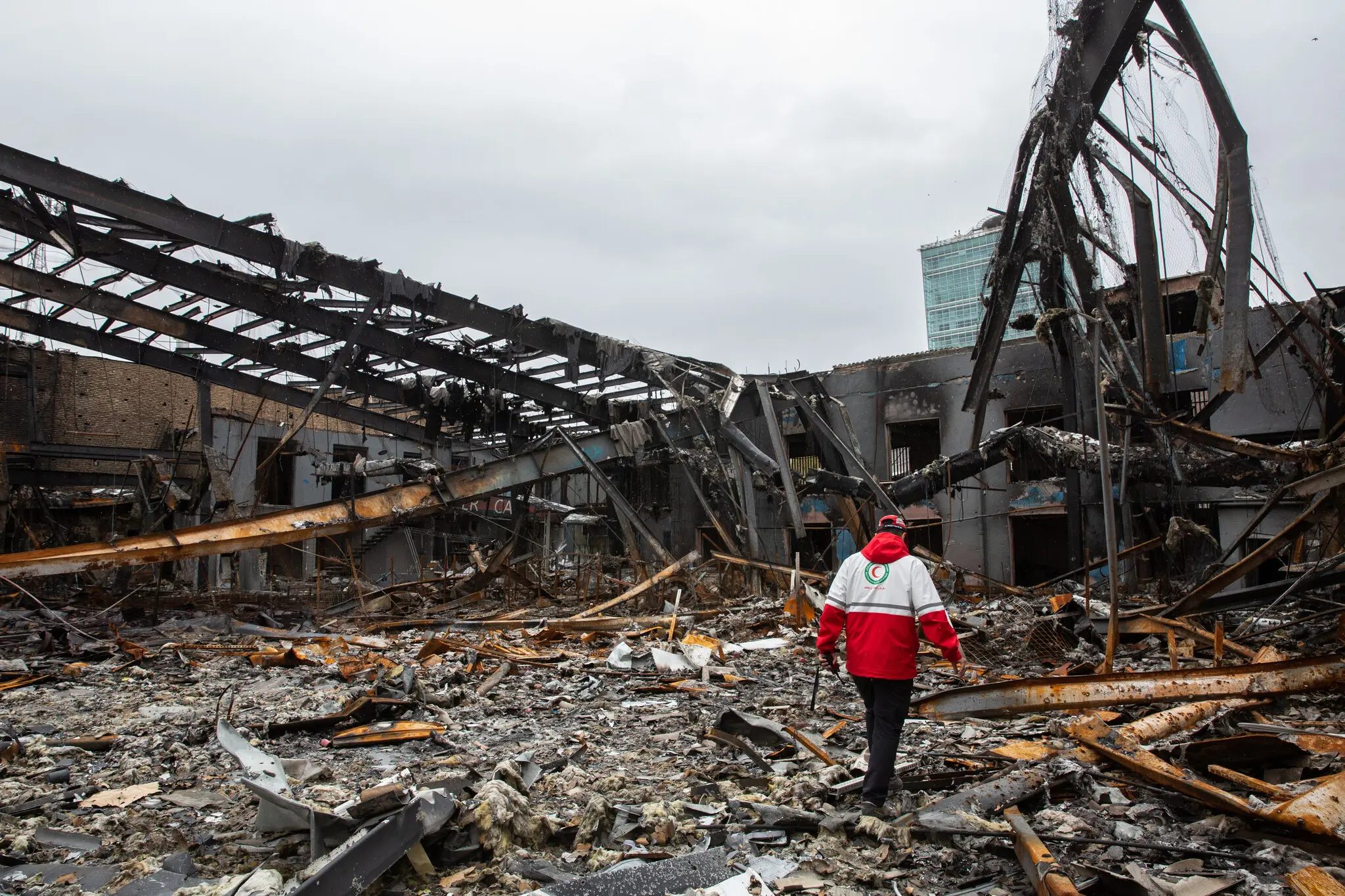
After the collapse of the first round of talks, the second round is on the horizon and is almost on the brink of collapse, as Iran is unwilling to negotiate further with the US. Amid the tense drama of negotiations, Pakistan is staging its own desperate theatrics to project itself as a key player in Gulf conflict management and to reassert its dwindling influence in the Gulf. However, the broader strategic picture suggests that maximalist-driven interests and coercion are destabilising any effort towards peace in the Gulf.
The Exit Diplomacy
The conflict exit process driven by diplomacy is a delicate art that requires a balance of power and flexibility, neither of which either side currently enjoys. As a result, the exit is gradually being delayed and is becoming a conundrum drama rather than a real episode of diplomacy.
A closer examination of the US exit strategy suggests that Americans want to exercise a limited show of tactics, with coercive diplomacy on the table with the Iranians. The objective of the exit strategy is in two clear parts: coerce Iran, escalate threats, and show off tactics using limited force in the Strait of Hormuz to attain a position of strength, projecting that the US is forcing Iran to the table, which only involves influencing international opinion.
Interestingly, in the second part of this exit strategy, the US would be seeking a “rushed deal framework”, which means providing Iran a bargaining window through concessions, where the US will provide limited economic concessions in return for Iran’s commitments on nuclear and missile building, regardless of whether the commitment is tactical or strategic. The US will take this as an exit and declare victory by projecting it as a successful show of power and diplomacy against Iran, pushing Tehran to the margins and securing a deal.
This is not the first time the US found itself in a tight spot of face-saving diplomacy, which was later dubbed as coercive diplomacy to project a moment of decent interval. The famous Paris Peace Accords, in the backdrop of the Vietnam War, ensured US’s exit from the bloodiest war in Vietnam.
The Paris Peace Accord: Kissinger’s Rush
American society was sharply torn, and President Richard Nixon had to do something to save face. The reality was grim: the US’s security establishment knew the war was lost, but a sudden exit would appear as a humiliating defeat. Therefore, there had to be a suitable interval that would allow the US to withdraw from Vietnam without appearing to lose, instead projecting it as a victory.
Kissinger’s decent interval strategy focused on two parts. First was the use of strong coercive tactics to force North Vietnam to the negotiating table. To this end, the US launched Operation Linebacker-II, or the Christmas bombing of 1972, where the US dropped thousands of tons of bombs on Hanoi and Haiphong to deliver a shock-and-awe effect on North Vietnam, which could get them to the negotiating table to sign the peace accord and also provide South Vietnam with enough political and military credibility to sign the accord.
The second part was the real face-saving tactics, in which the US made concessions first, allowing around fifteen thousand North Vietnamese troops into South Vietnam. In return, North Vietnam agreed to a temporary ceasefire and released some PoWs. The US tactically used this ceasefire to withdraw from South Vietnam without being actively shot at.
Back home, the US projected this withdrawal and accord as a victory, and Nixon went on national television and famously declared that the US had achieved “Peace with Honour.” But in reality, it was just a rushed deal that put South Vietnam’s future at stake. As the Nixon administration knew internally, South Vietnam wouldn’t be able to withstand the thousands of North Vietnamese forces.
As a result, by 1975, the accord failed when North Vietnam launched its final offensive, which ultimately led to the fall of South Vietnam. But diplomatically it was a success, as projected, because it ensured withdrawal with honour under the backdrop of a ceasefire dubbed a “decent interval” — enough time between US exit and South Vietnam’s defeat, so that the US wouldn’t be directly blamed for South Vietnam’s fall.
The Gulf Story and the Second Round of Peace
Perhaps the same script is being desperately rewritten by the US through coercion and a show of force in the Strait of Hormuz, pushing Iran to come to the negotiating table again. But this time, unfortunately, there is no power balance or flexibility, as Iran’s asymmetrical warfare capability remains intact, ensuring its survival and giving Iran a position of strength to avoid being coerced by the US, unlike North Vietnam.
The negotiating terms remain maximalist, with Iranians seeking more concessions rather than a small bargain. Similarly, the US is ready to offer limited concessions but, in return, seeks maximalist demands, ranging from a long-term halt to complete abandonment of the nuclear or missile programme. In other words, flexibility is absent because coercive and preventive diplomacy is not working.
This time around, Iran will not be walking away from the table with consolation prizes. They are seeking an exit on their own terms, which is effective and provides long-term strategic and security assurances, which makes the US’s prospects of seeking a deal a more dangerous gamble.
The first round of talks collapsed amid coercive diplomacy by the US, famously driven by Trump’s madman approach. The second round too witnessed coercion, this time a notch up with a naval blockade operation at the Strait of Hormuz, and the result was the same. Iran showed its unwillingness to join the talks, citing deep mistrust and threats.
As of now, Iran has been successful in forcing the US to manage a ceasefire in the Israel-Hezbollah conflict, and this very fact is enough to demonstrate that Iran is negotiating from a position of strength, while the US is still seeking a breakthrough moment in negotiations.
Amid the complex tango in the Gulf, Pakistan still seems to be in theatrics, pushing for a second round of talks, which stands on the cliff and has almost negligible diplomatic weight to deliver anything significant to the table. Pakistan’s drama diplomacy, which is steered by Asim Munir, is nothing but a desperate attempt at face-saving diplomacy, especially after the collapse of the first round of talks.
Apart from its messenger role, Pakistan’s symbolic actions with Saudi Arabia further lend weight to this theatrical diplomacy. Face-saving becomes essential for Asim Munir, as Pakistan’s complete failure in talks could further erode its credibility and undermine its efforts to deepen ties in the Gulf.
While Pakistan’s role is limited to that of a messenger, even this minor diplomatic influence is at stake in the Gulf, hence the fear is real for Asim Munir.
The Lesson
Lessons from the past are clear: even to play face-saving diplomacy, one needs strong leverage in any form to alter the power balance and bring flexibility to negotiations. But in this case, neither power is ready to find a balance and bring flexibility, which even makes peace or a deal more dangerous.