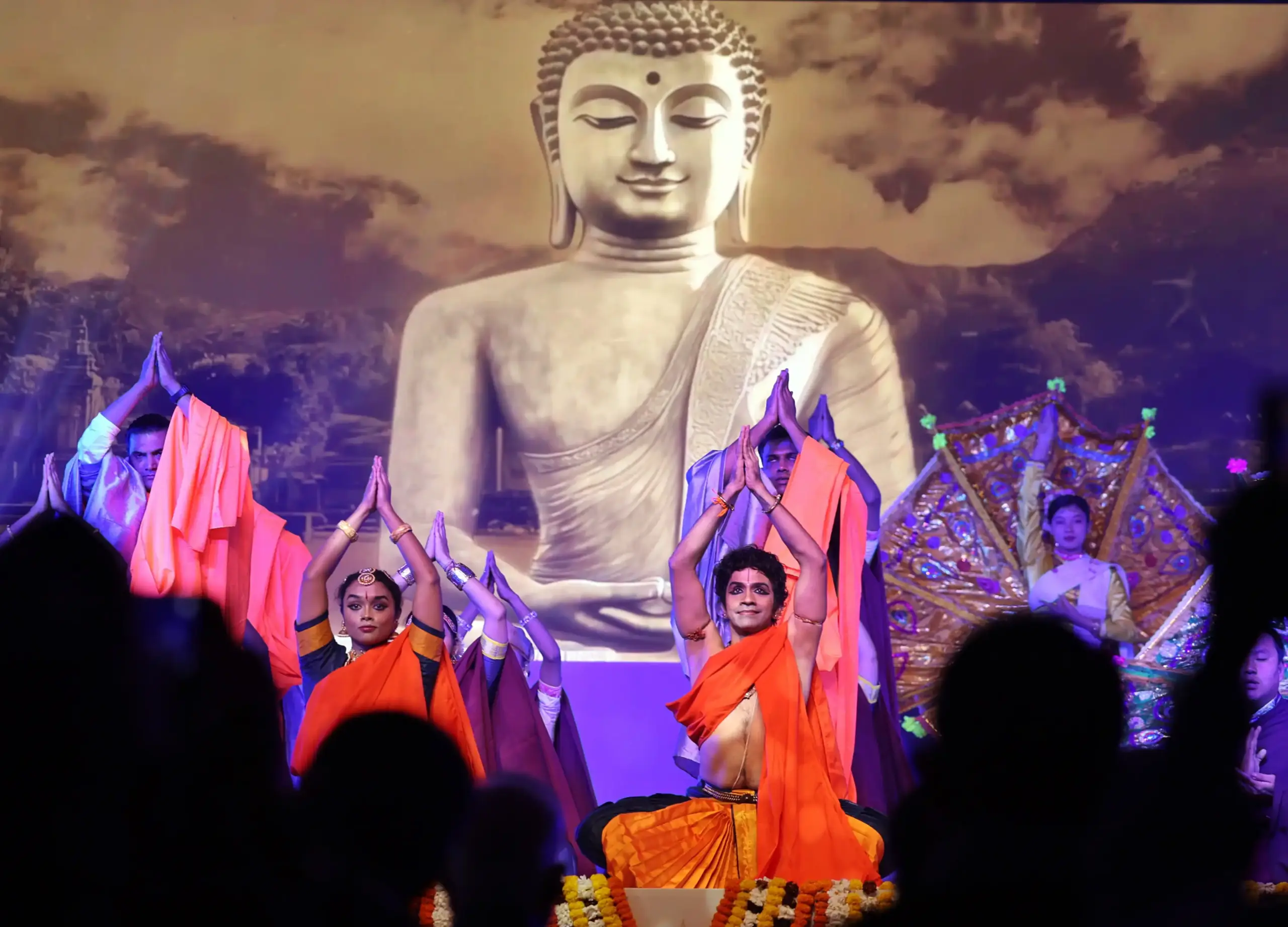
Between November 20 and 22, the sandstone walls of Purana Qila in New Delhi hosted an unusual diplomatic gathering. Marking 25 years since the Shanghai Cooperation Organisation was founded in 2001, India convened the inaugural SCO Civilisational Dialogue Forum. Prime Minister Narendra Modi opened the event, which was organised jointly by the Ministry of Culture and the Ministry of External Affairs. Across three days, 116 delegates from 22 countries, including four ministers and SCO Secretary General Nurlan Yermekbayev, sat down to talk about history, art, and heritage. First proposed by India at the 2025 Tianjin summit and endorsed later in the 2026 Bishkek Declaration, the forum looks on the surface like a polite cultural festival. In reality, it is a sharp move in Eurasian diplomacy.
Skeptics in India and abroad often ask why New Delhi still invests energy in the SCO, a regional bloc that India and Pakistan entered as full members in 2017. China dominates its main institutions, from the Secretariat in Beijing to its sustained push for an SCO Development Bank. Since 2023, Beijing has also promoted its Global Civilization Initiative to shape international debates on culture and governance. Walking away from the bloc, however, would simply leave the Eurasian heartland to Chinese influence. New Delhi has chosen a smarter route by competing on terrain where its own historical reach across Central Asia is organic, trusted, and centuries deep.
That approach took formal shape in the Indraprastha Communiqué adopted at the close of the talks. Framed around twelve shared commitments, the document calls on member states to stop the illegal trafficking of antiquities, protect monuments from climate threats, submit joint nominations to UNESCO, and use artificial intelligence carefully while digitising ancient records. It also places young people at the centre of heritage work. To give the effort lasting weight, India proposed holding the dialogue once every two years in different SCO capitals. If member states endorse that plan at upcoming summits, New Delhi will have built a permanent cultural pillar inside the bloc without relying on costly loans or rigid political alliances.
Even the venue carried a deliberate message. Purana Qila rises over ground long linked to ancient Indraprastha, while its standing walls were raised during the sixteenth century by both Humayun and Sher Shah Suri. Visiting officials walked through the Astitva exhibition, which traces continuous urban life in Delhi from 1200 BCE to 1200 CE, alongside a rare illustrated Mahabharata scroll dating from the eighteenth century. Delegates also toured the Buddhist relics exhibition at Qila Rai Pithora, connecting modern diplomacy with sacred journeys that once linked South Asia to the Silk Road. By spotlighting monastic trails, shared scripts, and ancient trade ties, India presented itself as an open and plural society rather than a loud power trying to lecture smaller neighbours.
The sharpest test of this strategy came through an unexpected guest. Pakistan sent its Climate Change Minister, Musadik Malik, marking the first trip by a federal minister from Islamabad to a regional gathering hosted by India since the May 2025 military clash under Operation Sindoor. That confrontation followed the April 22, 2025 terror attack in Pahalgam that killed 26 innocent people. Standing inside Purana Qila, Malik remarked that Humayun and Sher Shah Suri were two rulers tied to one fort, expressing hope that shared culture might ease dialogue between the two countries. Yet New Delhi never mistook good manners for diplomatic retreat. Foreign Ministry spokesperson Randhir Jaiswal stated plainly that India has made no change to its decision to keep the 1960 Indus Waters Treaty on hold until Pakistan credibly and permanently ends support for terror across the border.
That balance is becoming the real signature of Indian leadership. Earlier this year, New Delhi hosted the second Global Buddhist Summit in January, where India paired ancient philosophy with modern tools by introducing NORBU, an artificial intelligence language model for Buddhist teachings. Culture Secretary Vivek Agarwal noted that the Indraprastha Communiqué now gives SCO nations a clear roadmap built on mutual respect and the spirit of Vasudhaiva Kutumbakam, meaning the world is one family. What unfolded in Delhi this month proves that cultural outreach does not require softening national security, and holding firm red lines does not require boycotting regional rooms. Soft power earns lasting respect only when paired with steady resolve. At Purana Qila, New Delhi showed it can welcome every neighbour with grace while ensuring that serious negotiations happen strictly on Indian terms.