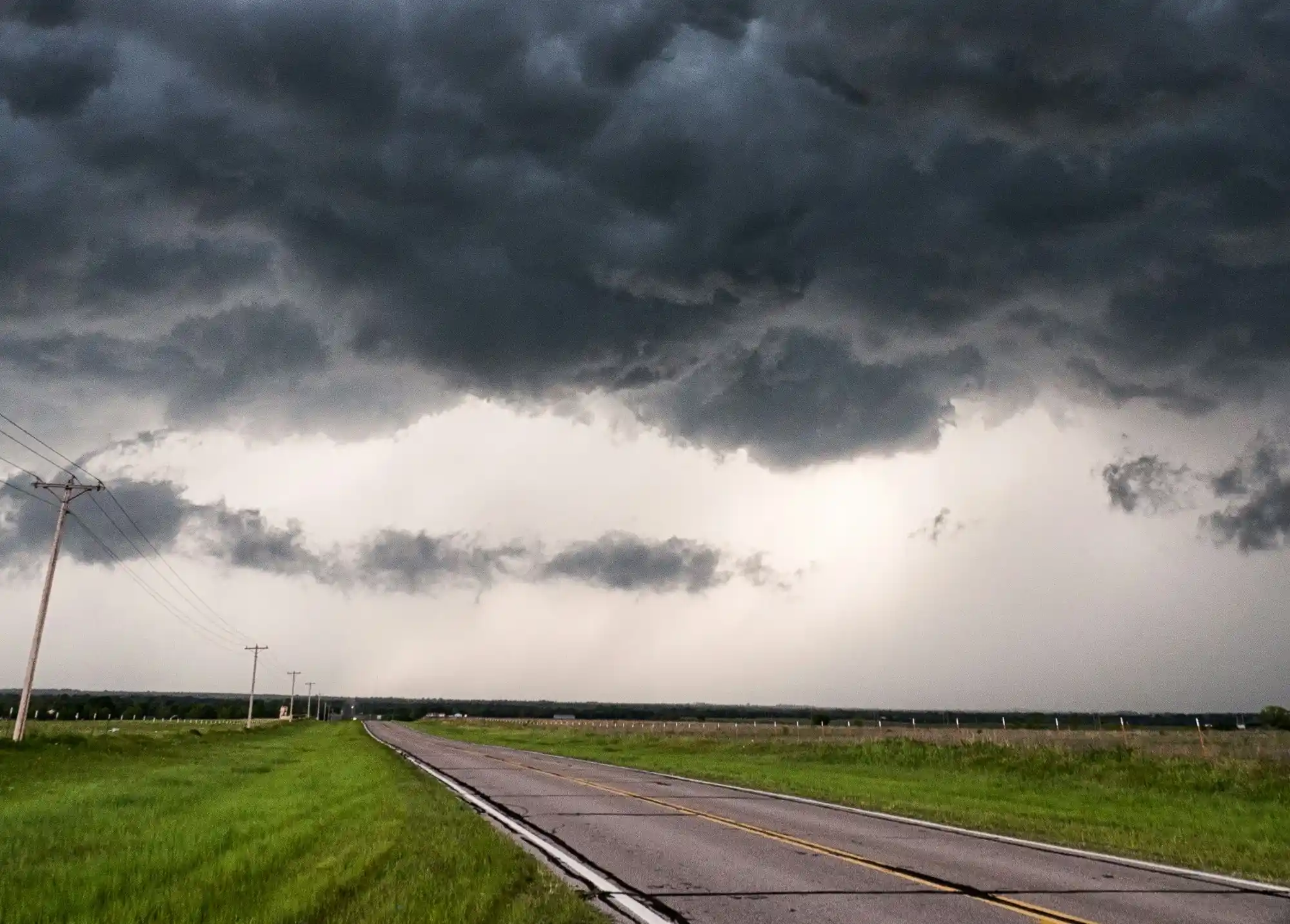
When the sky darkens with rain-bearing clouds, lightning flashes, and thunder rumbles, announcing the onset of the monsoon, separation from the beloved becomes unbearable. This is when villages in eastern UP and Bihar used to resonate with kajari- folksongs that get their name from kajal, the eyeliner of beautiful maidens.
Many a kajari has a refrain ‘Ho Rama!’ the wailing plaint of a woman separated from her love who can’t bear the song. She pleads the cuckoo not to sing as the bird’s call pierces her heart like a dagger- ‘Koyelia mat kar pukar lagat jiya mein kataar!’ Siddheshwari Devi, Rasoolan Bai, Girija Devi and Begum Akhtar took this genre to great heights.
The repertoire of classical Raag music welcomes the change in temperature and moods with myriad variations of Megh and Malhar. The best-known exponent of this mode was Ustad Amir Khan, who began with a leisurely aalaap (an overture that outlines the basic structure of the raag in slow tempo) and then proceeded to build architectonically, casting a powerful spell. ‘Umad ghumad ghan garjan laage’ ( the clouds roar with thunder as they frolic in the sky) was the traditional composition he loved. Legend has it that when the singer strikes pure notes, torrential rains pour from the skies.
Musical lore has transmitted across centuries the tale of Miyan Tansen, one of the nine gems in Akbar’s court, who was tormented by an insufferable burning sensation- a punishment he brought upon himself for singing the Deepak Raag that sets everything ablaze at the command of his patron. The fever subsided only when he returned to his native village and heard the Megh sung by musical prodigies- the sisters Tani and Nani.
Badal is what clouds are called in Hindustani. In the desert of Rajasthan where the rain is scarce, and clouds are seldom seen, the illusion of approaching rains is created architecturally. Badal Mahal– the palace that rises above the clouds- is the pinnacle of Kumbhalgarh- the building better known for its serpentine ramparts that spread over 40 kilometers and are believed to be second in length only to the Great Wall of China. Another Badal Mahal in Junagadh Fort in Bikaner has its walls painted in soothing blue, covered with curly white clouds. The high ceilings and thick walls keep the hot winds at bay, and one can effortlessly catch in the mind’s eye the flashes of lightning.
Pre-monsoon showers bring relief to the sun-scorched earth that then releases a sigh of relief- the fragrance of wet clay wafts around. Perfumers captured its essence to create the delicate ittra named gil/mitti. It is the flavor one can taste in the soufflé-like phirni (mildly sweet milk and powdered rice pudding) that is set in small shallow earthen cups.
The word monsoon derives from the Arabic and Persian mauasm that was used by seafarers in ancient times to describe advancing and retreating winds that made riding the waves of the sea possible. Today, climate change has played havoc with the predictable cycle of seasons, but not very long ago Indians followed a dietary regime in harmony with nature. Fishermen couldn’t venture out in tempestuous seas. Fresh fish was substituted with dried ‘fruits of the sea’. Away from the coast, in the hinterland, the daily menu also changed. Lighter, easy to digest, naturally rich in probiotics foods were relished. The slightly fermented rice soaked overnight in water was considered best nourishment during this period. Pakaal in Orissa, Pantha Bhaat in Bengal, Bihar, and Jharkhand – once considered the repast of the resourceless peasants has nowadays become a jewel in the crown of regional repertoires.
The month of Aashaad in the Hindu calendar has many days marked for ritual fasting and phalahari (cereal-less) feasts. Ganga Dussehra celebrates with gratitude the descent of the life-sustaining stream Ganga from the heavens. At the cusp with Jyeshta, the spectacular rathyaatra of Sri Jagannath is taken out ceremonially.
The first day of this month is the beginning of chaturmas (quarter of months of rain) when even monks always on the move settle down in a refuge. The Jains stop eating green leafy vegetables as microbial life forms may be clinging to dendrites. Many non-vegetarians give up fish, as it is the spawning season for these creatures.
Kalidas’s Meghdootam opens with images of frolicking jumbos in the sky- a sight that makes the lovelorn miserably restless. Bhawani Prasad Mishra, a Hindi poet, can’t get the poor peasant out of his mind who, gazing skywards, has no time for romance and can only associate the clouds with rains that will rejuvenate his wilting crops.