Beyond the FMR: Reevaluating Border Management With Myanmar in the Wake of Foreign Mercenary Movement
The arrest of six foreign nationals on 13 March 2026 by the National Investigation Agency (NIA) made headlines. It was initially believed that they were training Northeast Indian insurgent groups. However, the Union Home Minister, Amit Shah, clarified on 28 March 2026 that the arrested foreigners—including one US national and several Ukrainian nationals—did not pose any threat to India.
Nevertheless, the very fact that these foreign nationals were able to enter and exit Myanmar through Mizoram indicates that the Northeast region is an important transit point for mercenaries, insurgents, drug smugglers, and other illegal actors. This also highlights the inadequate management of the 1,643-kilometre Indo-Myanmar border.
To recapitulate, the mercenaries—including US national Matthew Aaron Van Dyke and Ukrainian nationals Maksym Honcharuk, Petro Hubra, Ivan Sukmanovskyi, Marian Stefaniv, Taras Slyviak, and Viktor Kaminsky—were arrested by the NIA from different airports, including Lucknow and New Delhi. Though details of their movement into Northeast India have not been fully disclosed, available information suggests that they arrived in Guwahati by air and subsequently travelled to Mizoram by road. They were not in possession of the mandatory Restricted Area Permit (RAP) required to visit Mizoram. The fact that they could enter Myanmar through India without much difficulty indicates the possibility of similar routes being used by other anti-national elements.
Immediately after their arrest, some news channels highlighted that these mercenaries were sponsored by vested foreign powers to train Indian insurgent groups. The most serious allegation was that they were importing large consignments of drones into India for further dispatch to Myanmar insurgents fighting the military junta. Although the Home Minister has ruled out any threat to India, the NIA continues to interrogate them to uncover further details.
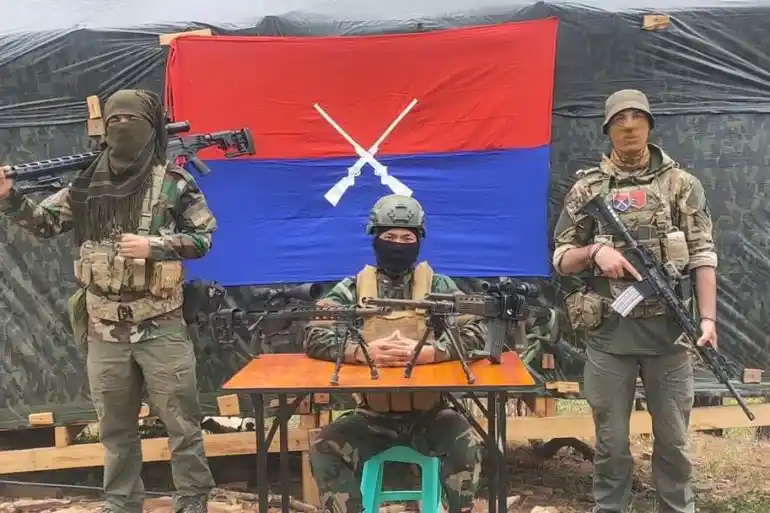
While the arrest of these mercenaries has been widely publicised, this is not the first instance of such activity in Myanmar. In October 2023, 12 foreign nationals—reportedly former members of the French Foreign Legion—were arrested in Laukkaing in northern Myanmar. Last year, the Kachin Independent Army (KIA) shot down a junta helicopter (Mi-17) in the Hakha area. The use of sophisticated drone technology in this operation suggests expert training.
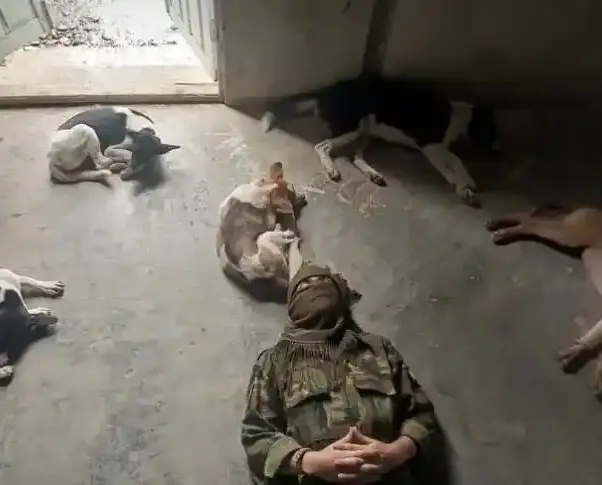
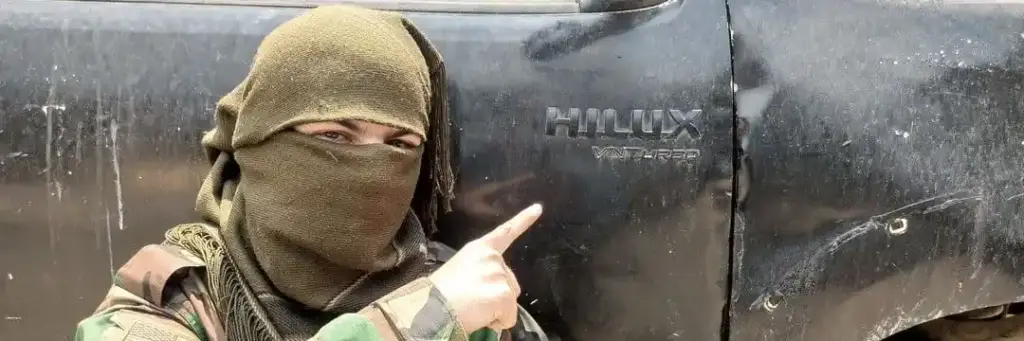
Reportedly, a US national named Azad Gulan (likely a nom de guerre) has been operating in Myanmar since 2024 as part of the Anti-Fascist International Front (AIF), alongside Chin Ethnic Armed Organisations (EAOs). He had earlier operated with Kurdish forces in Iraq and Syria. In an interview from an undisclosed location, he stated that mercenaries were being deployed to train Myanmar rebels to fight the military junta. The spillover of such activities into India’s Northeast cannot be ruled out, as many Northeast-based insurgent groups maintain close links with Myanmar insurgent outfits.
Earlier, the Chief Minister of Mizoram had raised serious concerns about the use of the state as a transit point for foreigners. Between June and December 2024, nearly 2,000 foreign nationals reportedly entered India and proceeded to Myanmar to train Chin insurgent groups. As far back as 2024, Ukraine’s then intelligence chief, Kyrylo Budanov, told The Washington Post that his agency conducted operations “aimed at reducing Russia’s military potential wherever possible.”
While the arrests of these mercenaries may not directly implicate India, as clarified by the Home Minister, such incidents do have wider ramifications. The US Ambassador to India, Sergio Gor, met National Security Adviser Ajit Doval on 18 March, just days after the arrests. Meanwhile, Ukraine has claimed that Russia tipped off Indian intelligence agencies about the movement of Ukrainian nationals to Mizoram. Clearly, the issue has attracted significant international attention and suggests that a “Great Game” may be unfolding in Myanmar.
Since the 2021 military coup in Myanmar, there has been a perceptible increase in the presence of foreign nationals—allegedly mercenaries—in the country. In October 2023, twelve foreign militants were captured near Laukkaing in northern Myanmar, reportedly comprising former members of the French Foreign Legion. Their role was not active combat but training anti-junta insurgents. Foreign fighters are also reportedly assisting groups such as the Karen National Liberation Army (KNLA).
While Mizoram is one of the key entry points, other states—Manipur, Nagaland, and Arunachal Pradesh—also share porous borders with Myanmar. These are frequently used by Indian insurgent groups for movement. Additionally, Myanmar shares borders with Thailand, Laos, China, and Bangladesh. Along each of these borders, various insurgent groups operate—some fighting the military junta, while others align with it. Notably, large parts of Myanmar, especially border regions, remain under the control of different insurgent groups.
As part of India’s Act East Policy, the Free Movement Regime (FMR) was introduced in 2018, allowing border tribes to travel up to 16 kilometres into each other’s territory without visas, often using a pass. However, the FMR was suspended in 2022, and steps are now being taken to scrap it entirely to combat illegal immigration, drug trafficking, and insurgent activities.
To further deter the movement of insurgents and other anti-national elements, the Central Government has initiated the construction of a fence along the Indo-Myanmar border. However, progress has been slow. Communities on both sides of the border, sharing ethnic ties, have strongly opposed the fencing. Several affected states have also shown reluctance. For instance, the Nagaland government passed a resolution in its State Assembly on 1 March 2024 opposing the project. Frequent protests by border communities are often exploited by insurgent groups. On 26 March, the insurgent group NSCN (YA) fired upon a fence construction party protected by Assam Rifles near Pangsau Pass (Arunachal Pradesh), injuring one personnel.
There is also a pressing need to strengthen the Border Guarding Force, particularly the Assam Rifles. The force is currently overstretched. The creation of separate battalions dedicated to border guarding, internal security, and northern border threats should be considered and implemented.
Unlike nation-states with clearly defined borders, insurgent groups operate beyond such boundaries. Their affiliations are often based on ethnicity, religion, and shared interests. While the arrested mercenaries may not pose an immediate threat to India, the ease with which such elements can move across borders is a serious concern that must be addressed comprehensively.