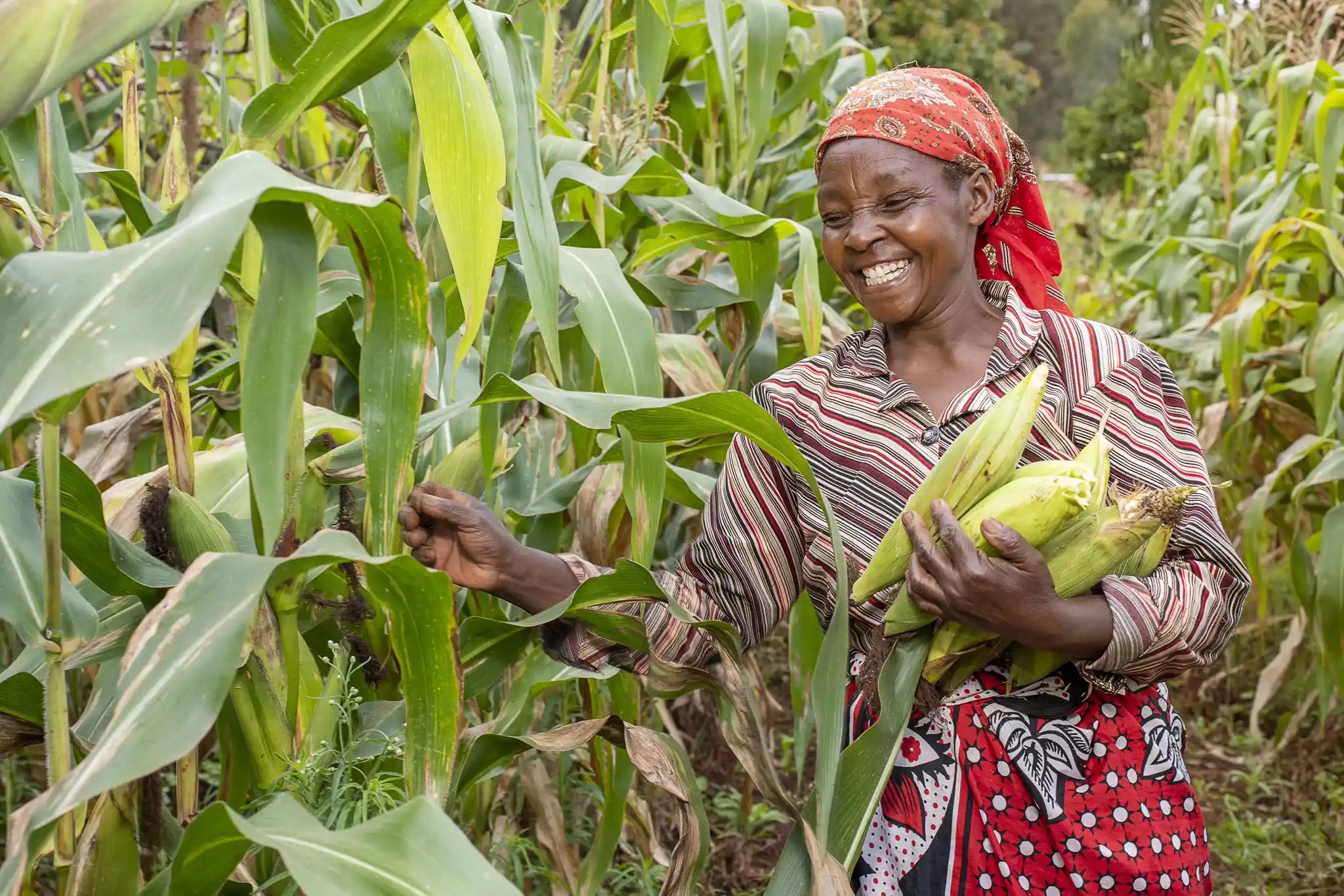
Today, agriculture in Kenya employs over 70% of our rural workforce and fuels 30% of our GDP. We stand at a crossroads, propelled by tech innovations that promise resilience amid climate chaos.
Precision agriculture is transforming Kenya’s fragmented fields. Satellite data from the Kenya Space Agency now lets farmers monitor soil humidity, spot nutrient gaps, and pinpoint pests with pinpoint accuracy, slashing water and fertilizer waste by up to 30%. Drones, once elite gadgets, are rolling out nationally via the Ministry of Agriculture’s roadmap with Fahari Aviation; they scan soil health in real-time, enabling targeted sprays that curb outbreaks early and boost yields. In western Kenya, startups like DigiFarm and Kipkebe have piloted drone spraying on tea estates, halving application time and costs.
AI chatbots like Virtual Agronomist deliver tailored advice on fertilizers and pests via mobile, critical where extension officers serve thousands per agent. Platforms such as PlantVillage use image recognition for instant disease diagnosis, tripling coffee outputs for users like those in Kericho. These tools empower our 5 million smallholders, who farm 75% of arable land, to fight soil degradation and erratic rains head-on.
Mechanization levels hover at 30% motorized power, far from Vision 2030’s 50% target, but momentum builds under the Agricultural Sector Transformation Strategy. Hand tractors and smart irrigation cut labor drudgery, with efficiency gains up to 25%. India’s 2023 USD 250 million line of credit, routed via EXIM Bank, targets exactly this: tractors, harvesters, and planters from firms like Mahindra and Sonalika, already popular here. Kenya offered land for Indian companies to grow millets under cooperative models, blending expertise to diversify beyond maize and staples.
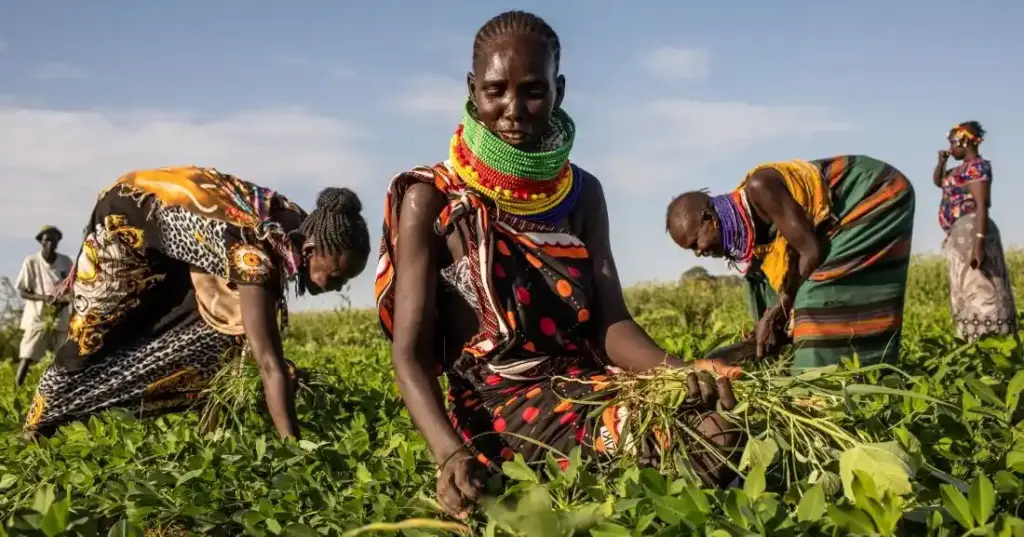
This isn’t India alone; JICA aids policy, IFDC privatizes fertilizers, and CGIAR’s AgriTech4Kenya accelerator nurtures local innovators in climate-smart seeds and data advisories. The SoilHealth4Kenya Challenge crowned Y Center’s AI soil-testing kit, delivering 15-minute diagnostics to remote farms.
Homegrown agritech thrives. Sukhiba’s WhatsApp e-commerce streamlines inputs and sales for smallholders, while Shamba Pride’s online-to-offline model links agro-dealers with finance and training. These cut middlemen, stabilizing incomes amid volatile prices. National AI Strategy prioritizes farming, with KIAMIS integrating data for better decisions.
Yet hurdles persist: high costs sideline youth, digital literacy lags, and rural internet falters. Only scalable, affordable tech, like drone rentals or shared tractors, will stick.
Kenya’s agritech surge isn’t hype; it’s yielding results. Yields could double if we scale precision tools and mechanization, securing food for 55 million amid population booms. Policymakers must subsidize access, train locals, and foster public-private pacts, India’s credit shows South-South solidarity works.
From my fields, I see hope: drones over maize, apps guiding millet rows. Tech isn’t replacing us; it’s arming us for abundance. Let’s till this digital furrow together, our soils demand it.