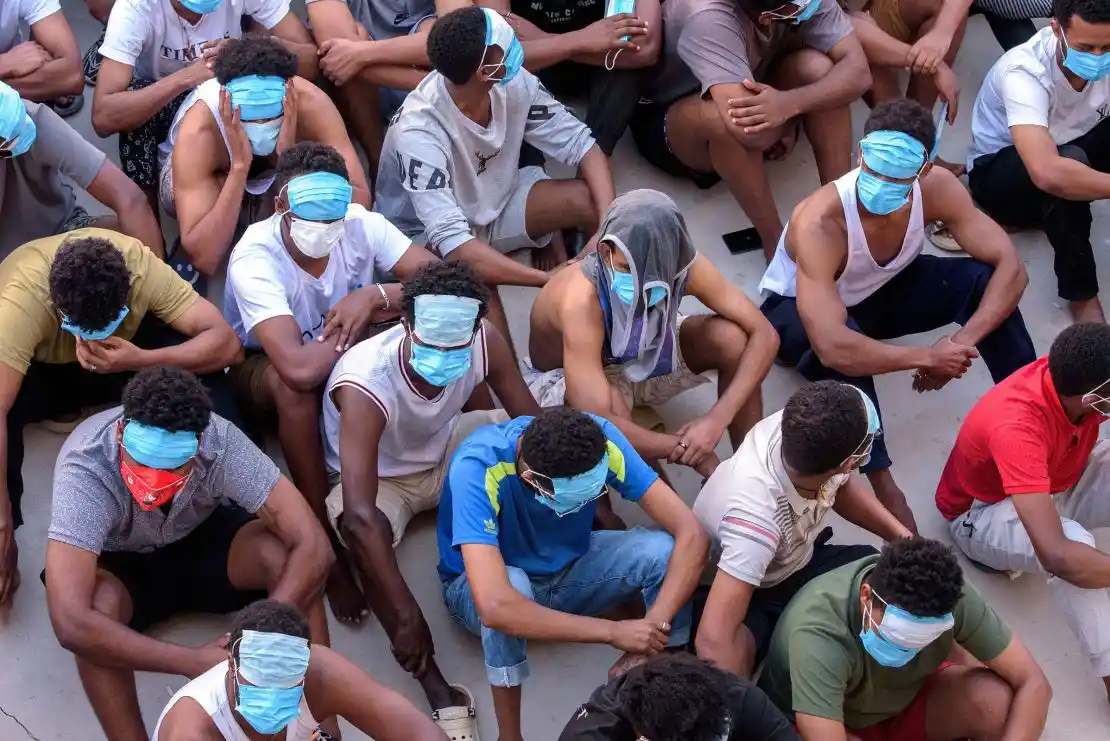
On 20 October 2025, Myanmar’s military launched a large-scale operation against KK Park, a notorious cyber-fraud hub located near Myawaddy in Kayin State, close to the Thai border. More than 2,000 people were detained, and around 30 Starlink satellite terminals used to maintain communications networks for scam operations were seized. Military spokesman Maj. Gen. Zaw Min Tun accused the insurgent group Karen National Union of involvement, alleging its leadership leased land for the compound.
Broad Network of Cyber-Scam Factories
KK Park is far from an isolated case. It is part of a regional web of cyber-scam centres stretching across Kayin State, the Wa region, and the China-Myanmar border areas, where the central government’s reach is limited and criminal-militia networks thrive. These scam hubs lure victims with fake online job postings, confiscate passports, and force them to conduct fraudulent cryptocurrency and romance scams targeting victims worldwide.
For India, this has become a mounting concern. In March 2025, the Ministry of External Affairs confirmed that almost 300 nationals had been rescued from cyber-scam compounds in Southeast Asia, including in Myanmar. The media reported that a larger number, up to 540 individuals, was repatriated in a subsequent phase via Thailand. Many victims report that they arrived for what they thought were IT or call centre roles, only to find themselves involved in fraud operations targeting Indian, Chinese, or other global victims. These centres recruit young Indians, particularly from Andhra Pradesh, Telangana, and Maharashtra, and arrest those who do not comply.
The geography of cyber-scam zones overlaps with Myanmar’s conflict map. China, Thailand, and Myanmar have jointly identified more than 36 significant telecoms scam gangs in the region, many of which employ over 100,000 people to run 24-hour fraud operations. Areas such as KK Park are located in territories associated with the Karen National Union and the Border Guard Force, which are both ethnic armed organisations that have long controlled borderland trade routes. Shwe Kokko, another major compound, was described by some survivors as a “tax farm” run by the Karen National Union’s commercial arms. Investigations suggest that elements within these groups or allied criminal networks have provided foreign-backed developers with security, land leases, and ‘taxation rights’ in exchange for revenue. For instance, The Guardian has described Shwe Kokko as a quasi-autonomous ‘special zone’ under the influence of the Karen National Union, where foreign financiers and local warlords have built compounds for online scams and illegal casinos.
International Context
This hybrid form of governance, blending armed-group control, corruption, and foreign criminal investment, has turned Kayin State into a cybercrime haven. The KK Park raid comes amid mounting regional and diplomatic pressure. The governments of India and other neighbouring countries are concerned about the numerous scam centres in Myanmar that target their citizens. New Delhi, Beijing, and Bangkok have all demanded that Naypyidaw take action after hundreds of their citizens were trafficked into scam operations.
For the Myanmar junta, the KK Park raid signals to neighbouring countries that it can enforce border security and control hybrid criminal-militia activities. However, the challenge ahead remains daunting: the networks behind these compounds are deeply embedded in cross-border trafficking and crypto-fraud. Without the sustained dismantling of the financial and logistical channels controlled by the militia, today’s headline-grabbing military raid may simply shift the problem elsewhere.