India’s Adani Energy’s recent approval of a Sh117 billion power transmission project in Kenya marks more than just another infrastructure deal—it signals a shifting axis in Kenya’s economic diplomacy and a deepening of ties with one of Asia’s most ambitious global investors.
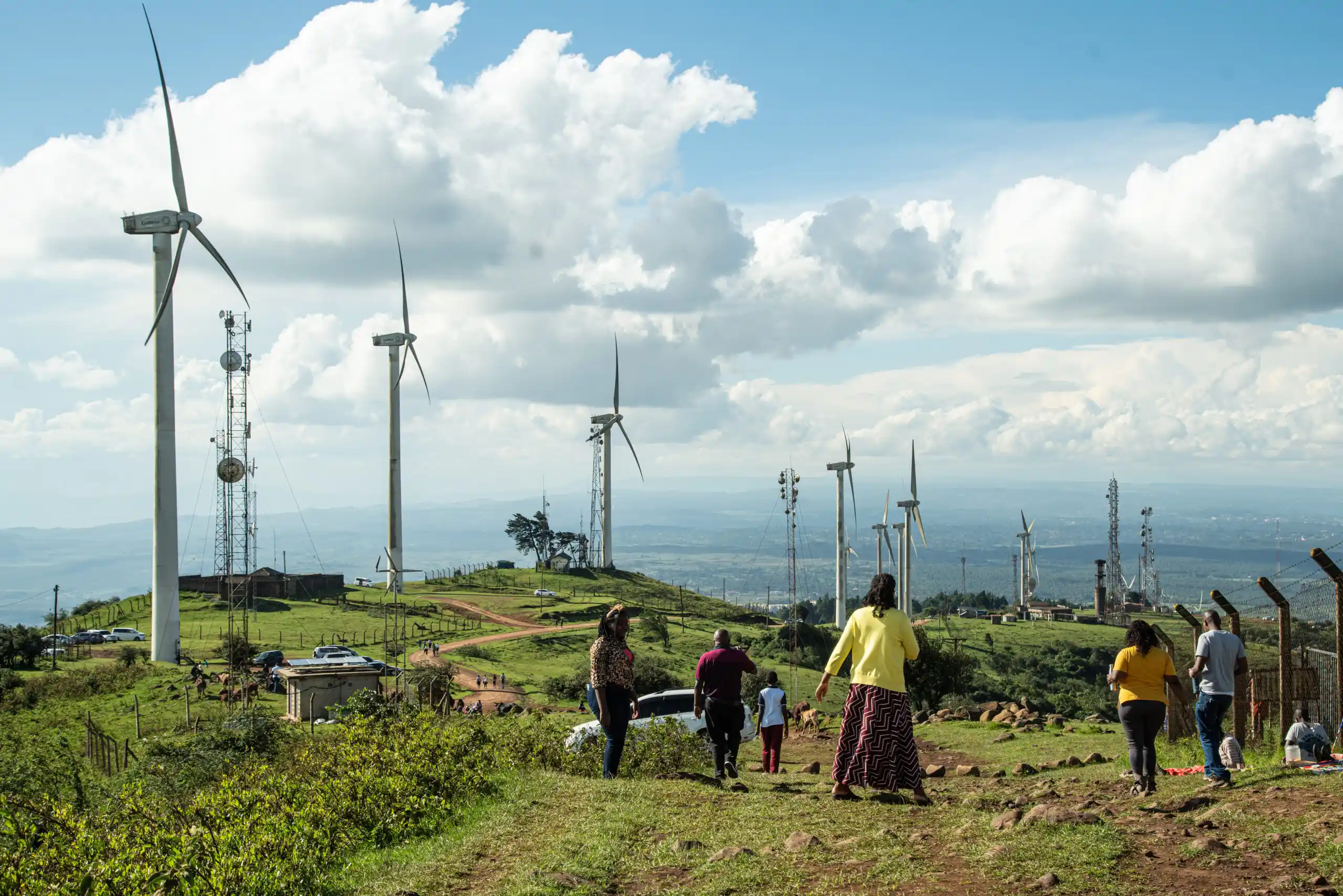
At its core, the project promises practical gains. Kenya’s growing energy capacity, driven by geothermal, wind, and solar investments, has long outpaced its transmission infrastructure. The result has been a paradox: abundant power generation on paper, but bottlenecks in delivery. A modernized transmission line backed by Adani Energy could help bridge this gap, improving reliability, reducing outages, and enabling Kenya to fully capitalize on its renewable energy potential.
Yet the implications extend far beyond megawatts and substations.
For Kenya, this deal represents a deliberate diversification of international partnerships. For decades, large-scale infrastructure financing in Africa has been dominated by Western institutions and, more recently, China. India’s growing presence introduces a third pole—one that offers competitive financing, technical expertise, and, crucially, a different geopolitical dynamic.
Unlike China’s state-led model, Adani Energy operates as a private conglomerate, albeit one with close ties to India’s broader economic ambitions. This distinction matters. It suggests a hybrid engagement model where private capital aligns with national strategic interests, potentially offering Kenya greater flexibility in negotiations and project structuring.
For India, Kenya is not just another market. It is a gateway to East Africa and a strategic partner in the Indian Ocean region. Strengthening energy infrastructure in Kenya aligns with New Delhi’s broader vision of enhancing connectivity, trade, and influence across Africa. The project reinforces India’s positioning as a reliable partner in development—one that emphasizes capacity-building and long-term collaboration rather than short-term extraction.
Historically, Kenya and India share deep ties rooted in trade, migration, and cultural exchange. The Indian diaspora has played a significant role in Kenya’s commercial landscape for over a century. However, economic relations have often been underleveraged relative to their potential. This project may mark a turning point, elevating the relationship from historical familiarity to strategic partnership.
There is also a symbolic dimension. As global supply chains and investment flows realign, middle powers like India are stepping into roles traditionally occupied by Western nations. Kenya’s willingness to engage reflects a pragmatic approach to development—one that prioritizes outcomes over ideological alignment. In a world increasingly defined by multipolarity, such pragmatism is likely to become the norm rather than the exception.
However, the project is not without risks or questions.
Adani Group has faced scrutiny in international markets over governance and financial transparency. While none of these concerns have halted its global expansion, they underscore the importance of due diligence. Kenyan regulators and stakeholders must ensure that contractual terms are transparent, debt obligations are sustainable, and public interests are safeguarded.
Moreover, large infrastructure projects often come with social and environmental considerations. Land acquisition, community displacement, and ecological impact must be managed carefully. Kenya has made significant strides in integrating sustainability into its energy strategy; maintaining these standards will be essential as new partners enter the sector.
Another critical factor is local capacity. For this partnership to deliver lasting benefits, it must go beyond construction. Technology transfer, skills development, and local job creation should be central components. If structured effectively, the project could strengthen Kenya’s domestic expertise in energy transmission, reducing reliance on external actors in the long run.
From a regional perspective, improved transmission infrastructure could enhance Kenya’s role as an energy hub in East Africa. With stronger grid connectivity, Kenya could export surplus power to neighboring countries, fostering regional integration and economic growth. In this context, Adani’s involvement is not just a bilateral matter—it has implications for the broader East African energy landscape.
Diplomatically, the project may also recalibrate Kenya’s external relations. As India deepens its footprint, Nairobi will need to balance its partnerships carefully. Maintaining constructive ties with traditional allies while embracing new ones requires nuanced diplomacy. However, this balancing act also provides leverage. A more diversified portfolio of partners can strengthen Kenya’s bargaining position and reduce overdependence on any single country.
For India, success in Kenya could serve as a blueprint for further expansion across Africa. Delivering a high-quality, timely, and transparent project will be crucial in building credibility. Conversely, any missteps could reinforce skepticism about large foreign-led infrastructure initiatives.
Ultimately, the Sh117 billion power line is more than a physical structure—it is a test case for a new phase in Kenya-India relations. It reflects shared aspirations for growth, resilience, and global relevance. But it also demands careful stewardship to ensure that these aspirations translate into tangible, equitable outcomes.
As Kenya continues its journey toward becoming a regional economic powerhouse, partnerships like this will play an increasingly important role. The challenge lies not in attracting investment, but in shaping it to serve national priorities.
If managed well, this project could illuminate more than homes and industries. It could light the path toward a more diversified, balanced, and forward-looking foreign policy—one where Kenya engages the world on its own terms, and where partnerships are measured not just by their scale, but by their impact.