
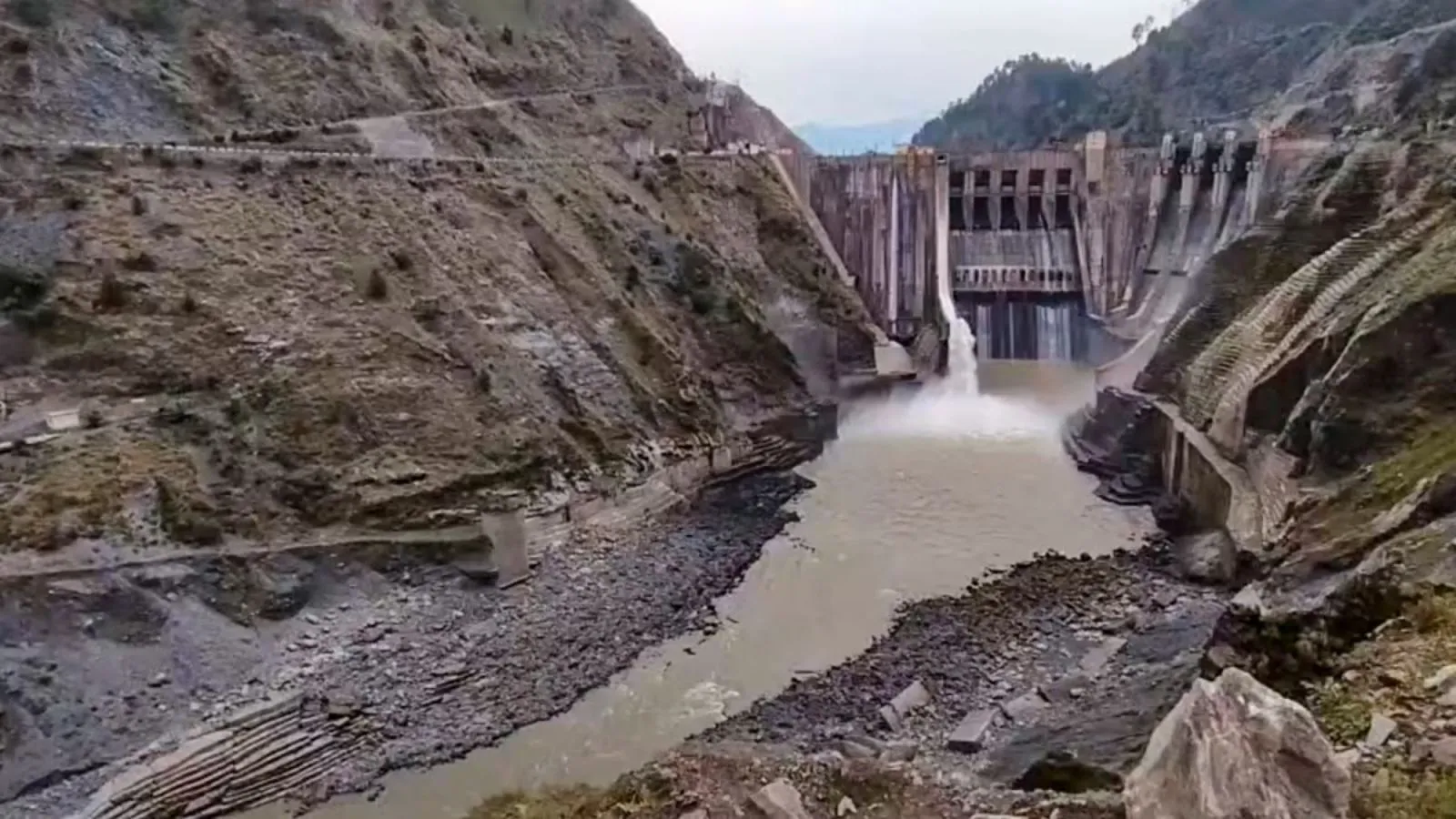
Pakistan has turned the Indus Waters Treaty into a theater of alarm, where every grievance is delivered with the vocabulary of apocalypse. Senior politicians and military leaders in Islamabad now speak as if water diplomacy were a battlefield and every Indian hydrological project a casus belli. Their language is loud, theatrical, and designed less to persuade than to intimidate. It is the sort of rhetoric that confuses volume with seriousness.
That posture is revealing. A country confident in its legal position does not need to cosplay as a wounded avenger every time the subject of rivers comes up. Pakistan’s leaders insist that India is “weaponizing water,” yet the more immediate weapon is rhetorical: threats of war, warnings of “decisive response,” and allusions to national survival whenever the treaty is discussed. This is not how mature states conduct themselves when seeking international sympathy. It is how governments under pressure try to convert weakness into moral theater.
India, by contrast, has answered with sangfroid. New Delhi’s position has been consistent: the Indus Waters Treaty remains in abeyance because Pakistan has not renounced cross-border terrorism. That may be an inconvenient linkage for Islamabad, but it is a political fact India has chosen to foreground and repeat. The result is a stark asymmetry: Pakistan speaks in melodrama; India speaks in bureaucratic granite.
The treaty itself has become collateral damage in a larger strategic collapse. The 1960 pact was one of the rare India-Pakistan arrangements that outlasted wars, coups, and propaganda cycles. It survived because both sides understood an elemental truth: rivers are too important to be left entirely to nationalist tantrums. Once that bargain began to fray, the current shouting match became almost inevitable. But inevitable is not the same as intelligent.
Pakistan’s conduct is especially curious because it reveals a familiar habit in Islamabad: every crisis is treated as both existential and self-authored by India. The pattern is always the same. First comes the accusation that India is acting illegally. Then comes the declaration that any interruption of water is tantamount to war. Then comes the swaggering promise of retaliation, as if strategic credibility were created by shouting “we will respond” louder than the other side can say “we will comply”. It is a politics of permanent grievance, and grievance has become Pakistan’s principal export.
The problem, of course, is that this performance leaves Pakistan boxed in. Its dependence on the Indus system is real, and any disruption would hit agriculture, power generation, and day-to-day water security hard. That makes Islamabad’s threats even more self-defeating. The louder it talks about war, the more it advertises vulnerability. And the more it frames water as a sacred line in the sand, the more it turns a negotiable dispute into a national humiliation contest.
New Delhi should resist the temptation to answer in kind. The stronger course is restraint, clarity, and lawful patience. India does not need to mimic Pakistan’s histrionics to make its point. It only needs to stay consistent: no normalization of treaty behavior while terror remains a policy instrument across the border. That position may not satisfy the permanent outrage industry, but it does have the merit of coherence.
The larger truth is that the Indus dispute is no longer just about water. It is about whether Pakistan can separate strategic interests from performative militancy, and whether India can defend its interests without becoming theatrical itself. So far, Pakistan is failing the first test, and India is passing the second. In South Asia, that is not a small distinction.
The danger, however, is that repeated saber-rattling can eventually make escalation feel normal. When leaders speak casually about war and destruction, they lower the threshold for miscalculation. Rivers do not need this kind of rhetoric. Farmers do not need it. Nor do two nuclear-armed neighbors. What they need is discipline, which is precisely what Pakistan’s present leadership appears unable to supply.
For now, the smart money is on endurance rather than resolution. The treaty is frozen, the language is inflamed, and both sides are digging into positions that leave little room for compromise. But only one side is currently trying to talk like a state. The other is talking like a mob with flags.

