India, home to over 700 million women and girls, has made concerted efforts to uplift their status since its independence. The Constitution laid a strong foundation with principles of equality. Over the past three to four decades—especially since the 1990s—targeted legal reforms, government schemes, and social movements have accelerated progress in education, health, economic participation, and political representation. While significant gains have been achieved, challenges like patriarchal norms, regional disparities, and safety concerns persist.
The Indian Constitution guarantees gender equality. Article 14 ensures equality before the law, Article 15 prohibits discrimination on grounds of sex (with Article 15(3) allowing special provisions for women and children), and Article 16 provides equal opportunity in public employment. Directive Principles (Articles 39, 42) promote equal pay, livelihood, and maternity relief.
The 73rd and 74th Constitutional Amendments (1992-93) mandated one-third reservation for women in Panchayats and Municipalities. This has been transformative: over 1.4 million women now serve as elected representatives at the grassroots level, bringing issues like water, sanitation, and education into local governance.
Key laws enacted or strengthened in recent decades include:
- Dowry Prohibition Act (1961, amended) and Protection of Women from Domestic Violence Act (2005).
- Sexual Harassment of Women at Workplace Act (2013), stemming from Vishaka guidelines.
- Criminal Law (Amendment) Act (2013) post-Nirbhaya case, expanding definitions of rape and introducing stricter punishments.
- Prohibition of Child Marriage Act and amendments to the Medical Termination of Pregnancy Act.
- Muslim Women (Protection of Rights on Marriage) Act (2019) banning instant triple talaq.
The 106th Constitutional Amendment (2023) reserves one-third of seats for women in the Lok Sabha and State Assemblies (implementation pending after the next census). These measures reflect a shift from protective legislation to proactive empowerment.
Education is a cornerstone of empowerment. Female literacy has risen dramatically. In the 1991 Census, it stood at approximately 39%. By the 2011 Census, it reached 65.5%, with overall literacy at 74%. Recent Periodic Labour Force Survey (PLFS) and literacy program data indicate overall literacy around 80.9% (2023-24), with female rates exceeding 70% in many states and the gender gap narrowing significantly.
Government initiatives like Sarva Shiksha Abhiyan, Kasturba Gandhi Balika Vidyalayas, and the flagship Beti Bachao Beti Padhao (BBBP) scheme (launched 2015) have driven enrolment and retention. BBBP combines awareness campaigns against sex-selective abortions with incentives for girls’ education. Dropout rates remain higher for girls at secondary levels in rural areas, but trends are positive.
Health outcomes for women have improved substantially. The Maternal Mortality Ratio (MMR) fell from around 508 per 100,000 live births in 1990 to about 103 in 2020 and further to around 80-90 in recent estimates—a reduction of nearly 80%. Institutional deliveries, skilled birth attendance, and schemes like Pradhan Mantri Matru Vandana Yojana contributed significantly.
The child sex ratio and sex ratio at birth have shown gradual improvement due to the Pre-Conception and Pre-Natal Diagnostic Techniques (PCPNDT) Act (1994, amended) and awareness drives. Sex ratio at birth improved from around 899-918 in earlier periods to 917-935 females per 1,000 males in recent Sample Registration System data.
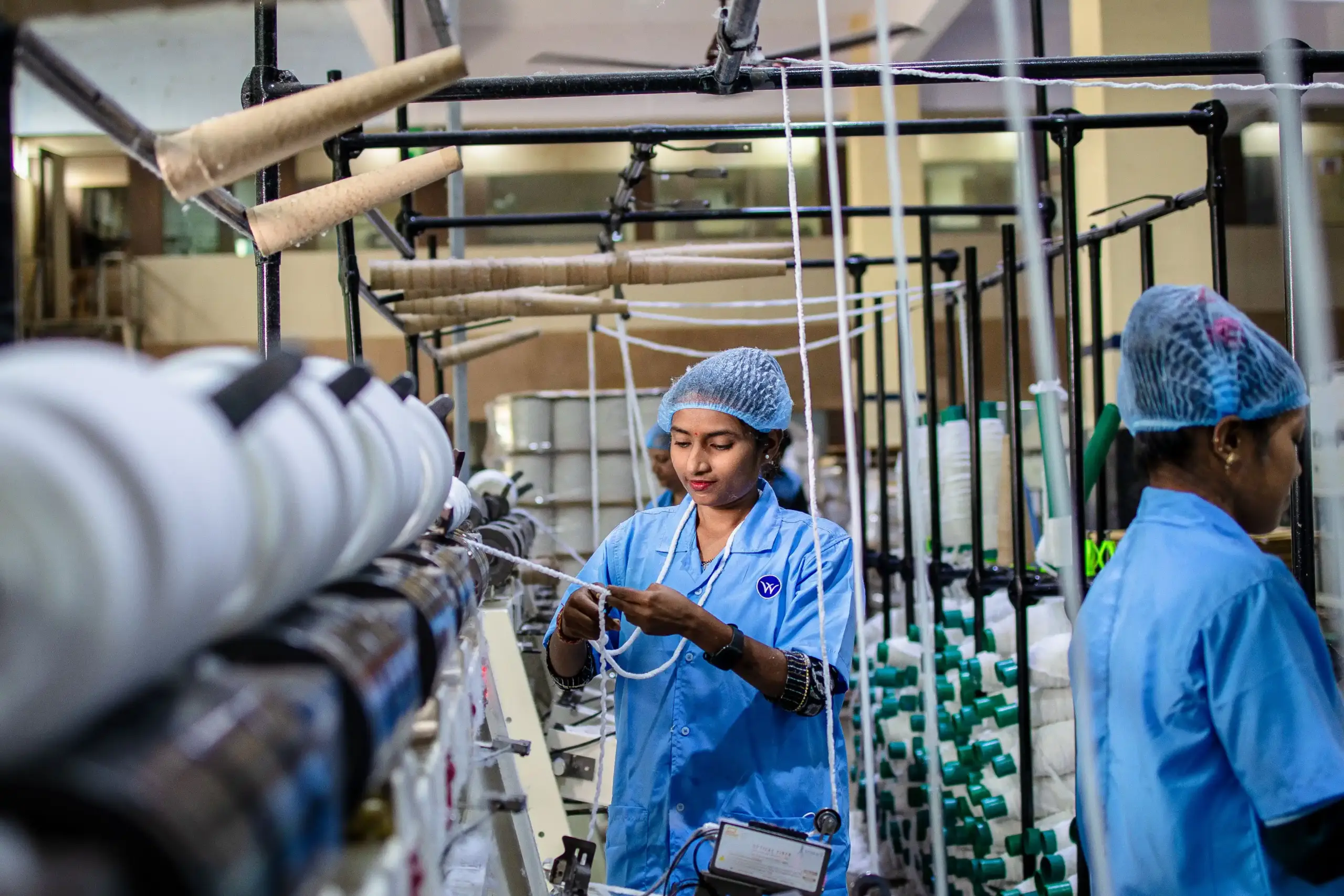
Economic independence remains a work in progress. Female Labour Force Participation Rate (FLFPR) was low and sometimes declining in the 2010s (around 20-26%). However, recent PLFS data shows a notable uptick—rising to around 37-42% in 2023-24 (higher in rural areas), driven by self-employment, agriculture, and post-pandemic recovery.
Financial inclusion has surged. Initiatives like Pradhan Mantri Jan Dhan Yojana, direct benefit transfers, and Mudra Yojana (with higher loan sanctions to women) helped. National Family Health Survey (NFHS-5, 2019-21) reported that 77.4% of women have bank or savings accounts they operate themselves (up sharply), and 43.3% own a house or land (alone or jointly).
Pradhan Mantri Ujjwala Yojana has provided free LPG connections to millions of poor households, primarily women beneficiaries. This reduces drudgery from traditional cooking fuels, improves health, and frees time for education or work. Sukanya Samriddhi Yojana (part of BBBP) offers attractive savings for girls’ education and marriage.
At the national level, women’s representation in the Lok Sabha has risen gradually—from about 11.4% in 2014 to 14.4% in 2019, standing at around 13.8-14% (74-75 women MPs) in the 18th Lok Sabha (2024).
Local governance shows far greater impact due to reservations. Women voters’ turnout has increased, often matching or exceeding that of men in recent elections. The pending 33% reservation in Parliament and Assemblies promises further acceleration.
Despite progress, gaps remain. FLFPR is still below potential; unpaid care work burdens women; gender-based violence persists (though reporting and legal recourse have improved); and progress is uneven—southern and western states often outperform northern and eastern ones. Son preference and safety concerns affect mobility and opportunities.
India’s efforts demonstrate a multi-pronged approach: legal safeguards, targeted schemes, awareness campaigns, and grassroots reservations. The last few decades have seen a shift from welfare to empowerment, with women increasingly visible as entrepreneurs, leaders, professionals, and decision-makers. Sustained investment in quality education, skilling, safety infrastructure, and cultural change—along with effective implementation of the Women’s Reservation Act—will be crucial.
As India aspires to become a developed nation, empowering its women is not just a moral imperative but an economic necessity. The journey continues, with each generation building on the gains of the last. Progress is measurable and real, yet the goal of full gender parity requires ongoing commitment from government, civil society, and society at large.