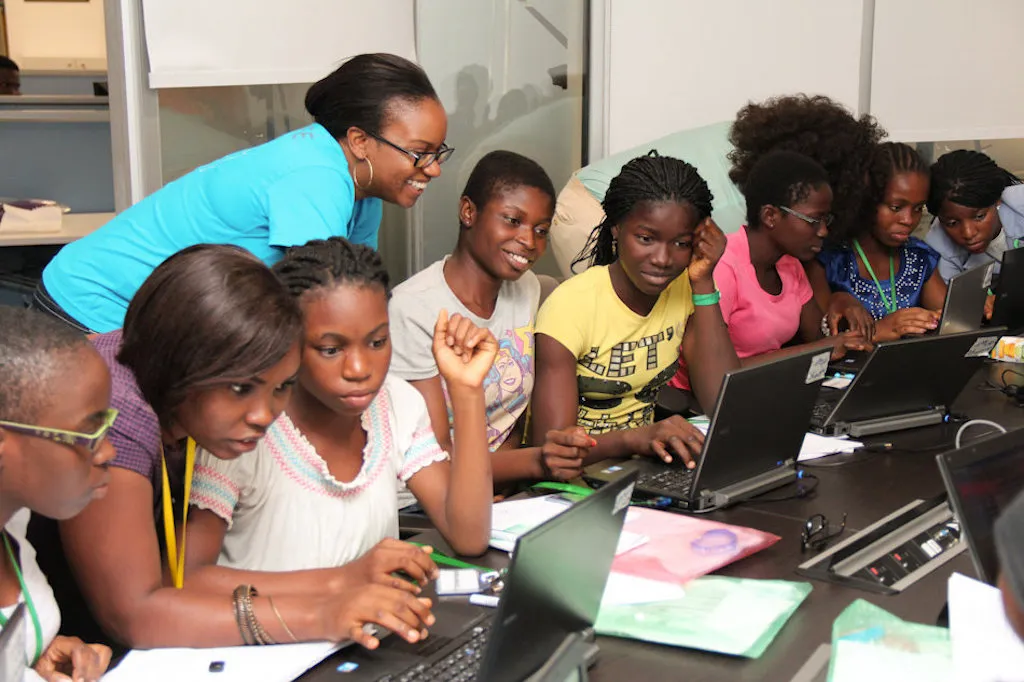
Across Africa, conversations about digital transformation often focus on infrastructure, artificial intelligence, or expanding internet access. Yet one of the most urgent questions remains far more human: who benefits from this transformation, and who is being left behind? For millions of African women, particularly those in rural and low-income communities, the digital revolution still feels distant. Limited access to smartphones, high internet costs, low digital literacy, and deep-rooted social barriers continue to prevent many women from participating fully in the digital economy.
Nigeria reflects this challenge clearly. While the country has one of Africa’s largest technology markets and a rapidly growing digital sector, women remain significantly underrepresented online and in the ICT workforce. In northern Nigeria especially, internet access among women remains extremely low. Many women still lack access to digital tools, online financial systems, and even basic digital skills. This exclusion has consequences far beyond technology itself. It affects women’s ability to access markets, education, healthcare information, banking services, and employment opportunities.
But solutions to these challenges may not necessarily come from Silicon Valley or Europe. Increasingly, African countries are finding practical lessons from other developing economies that have faced similar struggles. One example is India’s Digital Sakhi initiative, a grassroots programme that has become an important model for women’s digital empowerment.
Launched in 2019, the Digital Sakhi programme trains rural women to become digital educators and community leaders. These women, known as “Digital Sakhis,” teach others how to use smartphones, digital payments, online banking, e-commerce platforms, and internet-based services. More importantly, they help women gain confidence in navigating a rapidly digitising world.
The success of the initiative lies not only in technology but in its understanding of local realities. In many rural communities, women are more likely to trust and learn from other women within their own social networks. Instead of relying entirely on formal institutions, the programme builds empowerment through peer learning and community participation. Women become both learners and teachers, creating a cycle of knowledge-sharing that strengthens communities from within.
This approach holds important lessons for Africa.
Across the continent, digital exclusion is deeply connected to social and economic inequality. Women in rural areas often face multiple barriers simultaneously: poverty, lower education levels, cultural restrictions, and limited mobility. In such contexts, simply providing internet access is not enough. Real empowerment requires trust, mentorship, and community engagement.
That is why grassroots models matter. When digital literacy programmes are rooted in local communities, they become more accessible and sustainable. Women who might feel intimidated attending formal technology centres are often more comfortable learning in familiar environments alongside people they trust. Community-led initiatives also allow training to be adapted to local languages, social realities, and economic needs.
Nigeria has already shown promising signs in this direction. Programmes such as Fasaha, Gina Mata, Gina Al-Umma, and the 3 Million Technical Talent (3MTT) initiative have sought to increase women’s participation in digital spaces through targeted training and mentorship. Some of these programmes have successfully worked with local leaders and community-based hubs to reach underserved women and girls.
Yet the scale of the challenge remains enormous.
According to recent figures, internet access among women in some parts of northern Nigeria remains critically low. Many women cannot afford smartphones or data subscriptions, while rural broadband infrastructure continues to lag behind urban centres. High internet costs remain a major obstacle not only in Nigeria but across much of Africa. In many countries, the cost of staying connected consumes a significant portion of monthly income, making digital participation a luxury rather than a right.
India’s experience offers another important lesson here: affordability matters as much as innovation. India’s digital expansion was supported by relatively low-cost mobile data, affordable smartphones, and widespread digital public infrastructure. These conditions made it possible for grassroots initiatives like Digital Sakhi to succeed. Without affordable access, digital literacy programmes struggle to create lasting impact.
African governments therefore need to move beyond viewing digital inclusion purely as a technology issue. It is also a development issue, a gender issue, and an economic justice issue. Subsidised data plans for women, low-cost smartphones, and investment in rural connectivity should be seen as essential tools for inclusive growth.
Women’s empowerment in the digital age is not only about access to technology; it is about access to opportunity. When women gain digital skills, they can expand small businesses, access financial services, participate in online education, and connect to broader markets. Digital inclusion strengthens entrepreneurship, improves household incomes, and creates new pathways for economic independence.
This is especially important in Africa, where women already drive much of the informal economy. Across markets, farms, and small enterprises, women form the backbone of local economies. Yet many remain excluded from formal financial systems and digital marketplaces. Expanding women’s digital participation could therefore unlock enormous economic potential across the continent.
There is also a broader political and social significance to this issue. Digital spaces increasingly shape public debate, access to information, and civic participation. If women remain excluded from these spaces, existing inequalities risk becoming even more deeply entrenched in the future economy.
At the same time, African countries must also address the darker side of digital participation. Online harassment, cyberbullying, and gender-based digital violence discourage many women from engaging fully online. Building safe and inclusive digital environments is therefore just as important as expanding connectivity itself.
Ultimately, the lesson from India’s Digital Sakhi initiative is simple but powerful: technology alone does not create empowerment. People do. Communities do. Trust does.
Africa’s digital future cannot be truly inclusive if millions of women remain on the margins. Programmes that combine affordable access, community leadership, digital literacy, and women-centred policy support offer a more sustainable path forward. As African countries continue building their digital economies, they must ensure that women are not merely users of technology, but leaders, innovators, educators, and entrepreneurs shaping the continent’s future.
The continent’s digital transformation will only succeed when it empowers those who have historically been excluded from opportunity. And in that journey, women must stand at the centre—not the sidelines—of Africa’s digital revolution.