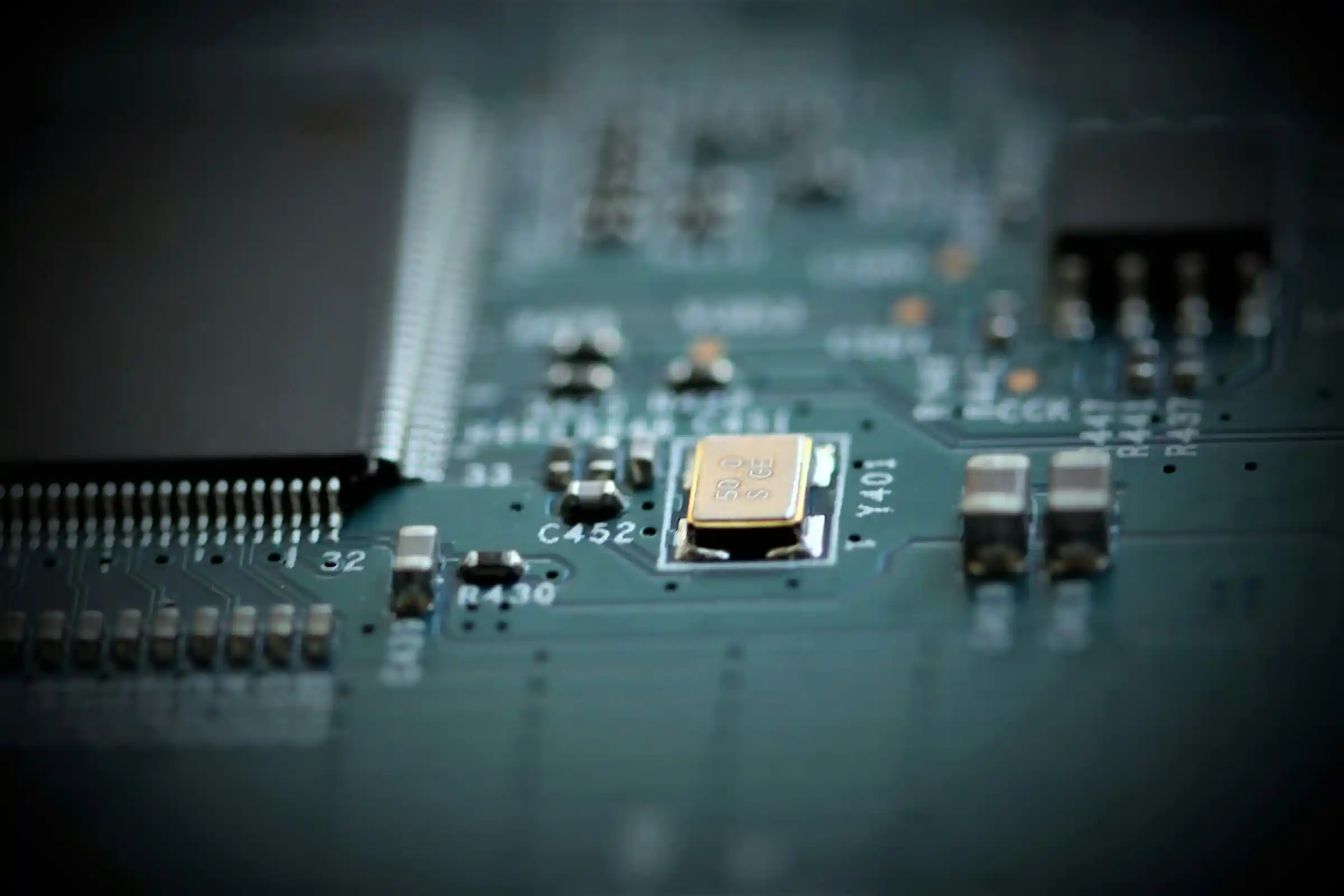
The global semiconductor race is no longer merely about technology or trade; it has become a contest for strategic influence, economic resilience, and national security. Semiconductors power everything from smartphones and automobiles to artificial intelligence systems, defence equipment, satellites, and critical infrastructure. The disruptions caused by the COVID-19 pandemic, geopolitical tensions involving China and Taiwan, and rising technological competition between the United States and China have exposed the fragility of global chip supply chains. In this changing landscape, India’s semiconductor ambitions have acquired unprecedented importance.
For decades, India remained largely dependent on imported chips despite possessing a vast talent pool in software and electronics design. Indian engineers played crucial roles in global semiconductor companies, yet the country lacked fabrication plants, advanced manufacturing ecosystems, and large-scale investment in chip production. The consequences of this dependence became visible during the global semiconductor shortage, which disrupted automobile manufacturing, consumer electronics, and industrial production across the world.
Recognising the strategic significance of semiconductors, the Indian government launched the Semicon India programme with financial incentives worth billions of dollars to attract global manufacturers. The objective is not merely economic growth but technological sovereignty. Countries that dominate semiconductor manufacturing increasingly influence global technology standards, military capabilities, and digital infrastructure. India therefore views semiconductor manufacturing as essential to its long-term strategic autonomy.
Recent developments indicate that India is gradually becoming an attractive destination for semiconductor investment. Partnerships with companies from Taiwan, Japan, the United States, and the Netherlands have strengthened India’s position in the global chip ecosystem. The growing cooperation with Dutch semiconductor equipment giant ASML is particularly significant because advanced lithography technology remains central to modern chip manufacturing. Similarly, investments by Micron Technology and the Tata Group’s semiconductor initiatives reflect rising international confidence in India’s manufacturing potential.
However, semiconductor manufacturing is among the most complex industries in the world. Building a competitive ecosystem requires far more than announcing incentive schemes. Fabrication plants demand massive capital investment, uninterrupted electricity supply, high-quality water infrastructure, advanced logistics, and a highly skilled workforce. Even technologically advanced countries struggle to establish viable semiconductor ecosystems because the industry depends on long-term planning, policy stability, and sustained financial support.
India must therefore avoid the temptation of treating semiconductor manufacturing as a short-term political achievement. The country needs a comprehensive industrial strategy integrating manufacturing, research, innovation, talent development, and supply-chain resilience. Universities and technical institutions should expand semiconductor research and specialised training programmes. Without skilled engineers, technicians, and researchers, India cannot compete with established semiconductor hubs such as Taiwan, South Korea, and the United States.
Infrastructure development will also determine the success of India’s semiconductor ambitions. Semiconductor fabs require world-class industrial infrastructure, including reliable transport connectivity, clean energy, and stable regulatory systems. Delays caused by land acquisition disputes, bureaucratic inefficiencies, or inconsistent policies could discourage investors in a highly competitive global market. States competing for semiconductor projects must therefore prioritise administrative efficiency and ease of doing business.
Another major challenge lies in global geopolitics. Semiconductor supply chains are deeply interconnected and increasingly shaped by strategic rivalries. The United States has imposed restrictions on advanced chip exports to China, while countries are attempting to reduce dependence on single supply-chain hubs. India must carefully navigate this geopolitical environment without becoming excessively dependent on any one bloc. Strategic partnerships should strengthen India’s technological capabilities while preserving policy flexibility and economic independence.
India should also recognise that semiconductor leadership cannot be achieved solely through assembly and packaging. Long-term competitiveness requires investment in design innovation, intellectual property creation, and advanced research. India already possesses strengths in chip design and software engineering. These advantages should be integrated into a larger semiconductor ecosystem that encourages startups, innovation clusters, and collaboration between academia and industry.
The semiconductor race is ultimately about securing the future of technological power. Countries capable of manufacturing advanced chips will shape the next generation of artificial intelligence, quantum computing, defence systems, and digital infrastructure. India cannot afford to remain dependent on external supply chains in sectors so critical to national development and security.
The current momentum presents India with a historic opportunity. If supported by sustained investment, institutional coordination, skilled manpower, and strategic diplomacy, India’s semiconductor ambitions could transform the country into a major technology manufacturing hub. However, success will depend not on grand announcements alone but on consistent implementation, long-term vision, and the ability to build a resilient ecosystem capable of competing in one of the world’s most demanding industries. The challenge before policymakers is to ensure that ambition is matched by execution, coordination, accountability, and commitment.