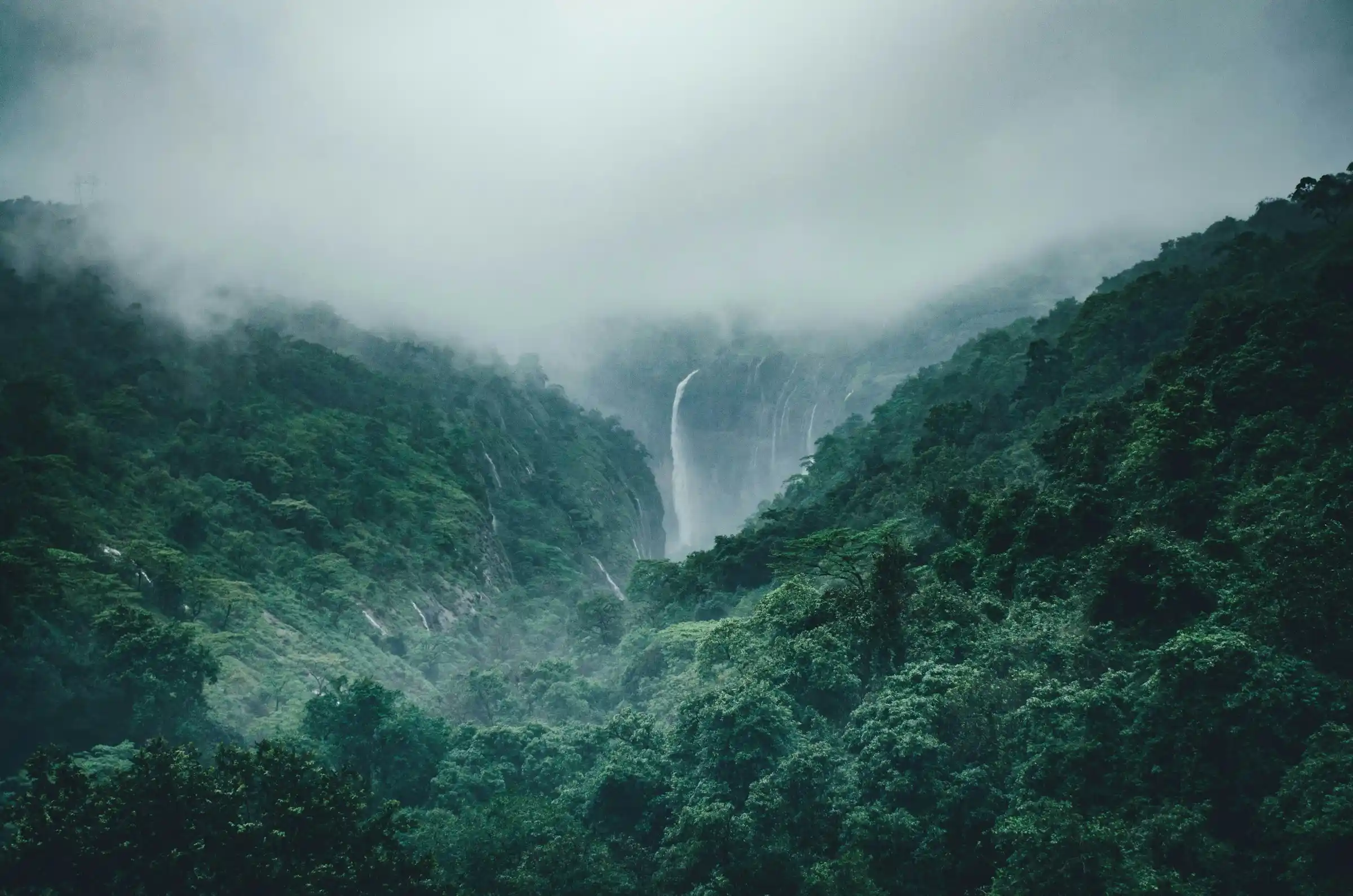
In an era defined by ecological anxiety, India is writing a different kind of story — one of growth, of stewardship, and of a civilisation that has always understood its covenant with the natural world. Across six thousand kilometres of terrain, from the snow-fed valleys of Uttarakhand to the monsoon-lashed plains of Assam, India’s forests are not just surviving. They are expanding. And the world would do well to pay attention.
The India State of Forest Report 2021 carried a headline worth celebrating: tree cover across the country had grown by 2,261 square kilometres in just two years. Seventeen states and union territories now have more than a third of their land under forest cover. This is not an accident. It is the outcome of deliberate policy, sustained investment, and a deep cultural reverence for the natural world that has shaped Indian civilisation for millennia.
No state embodies this green ambition more visibly than Madhya Pradesh, which holds the largest forest cover of any state in the nation. Its forests are alive with 25 wildlife sanctuaries, 9 national parks, and 5 tiger reserves — a testament to what happens when conservation is taken seriously. The rivers that flow through these forests, the Narmada, the Chambal, the Betwa, have sustained communities for centuries and continue to do so today. India does not merely protect its forests; it builds entire economies and cultures around them.
In the far northeast, Arunachal Pradesh stands as one of the planet’s most extraordinary repositories of biodiversity. Stretching from the glaciers of the Eastern Himalayas to the warm lowlands of the Brahmaputra Valley, its forests encompass tropical evergreen jungles, temperate woodlands, alpine meadows, and pine forests — each a world unto itself. The tribal communities who call these forests home are among India’s most enduring conservationists, having protected this heritage long before the language of environmentalism existed. India’s northeast is not a footnote in the global biodiversity story. It is one of its most important chapters.
Chhattisgarh, a state rich in culture and natural wealth, demonstrates that ecological abundance and human prosperity need not be in conflict. With 3 national parks and 11 wildlife sanctuaries, and forests that nurture everything from Sal and Teak to rare mineral reserves, Chhattisgarh is proof that a forested state is a thriving state. Approximately half its villages live in daily relationship with the forest — and that relationship, far from being a burden, is a source of resilience.
In the south, Karnataka’s forests, concentrated in the globally celebrated Western Ghats, represent one of the most biodiverse landscapes on earth. Uttarakhand, in the north, shelters nearly 8,000 floral species amid its oak groves and coniferous highlands. And Assam, watered by some of the heaviest rainfall in the subcontinent, offers what few places on earth can — the one-horned rhinoceros, wild elephants, and a forest economy that clothes, feeds, and medicines entire communities.
India has committed to reducing carbon emissions by one billion tonnes by 2030 and reaching net-zero by 2070. These are not aspirational numbers. They are national resolve, backed by the very forests that cover this land. Every protected wildlife corridor, every restored hectare, every tribal community empowered as a custodian of its local ecosystem — each is a down payment on that promise.
India’s forests are not a problem to be managed. They are a pride to be proclaimed. In a world searching for models of ecological leadership, India already has one — and it has been growing for centuries.