
India’s horticulture sector is a quiet success story reshaping the rural economy. Farmers like K. T. Francis from Kerala have transformed small landholdings into highly productive and profitable enterprises through the integration of scientific farming practices. His three-acre coconut-based mixed farm—home to 200 coconut palms, spices, tubers, and tropical fruits—earns ₹14–15 lakh annually, a feat recognized with national awards.
Similarly, Prabhat Das from Assam shifted from low-yield field crops to floriculture, cultivating gladiolus, tuberose, and gerbera flowers. His earnings jumped to ₹1.5–2 lakh annually, showing the potential of diversification into high-value horticulture.
These examples reflect a broader national trend: horticulture as a driver of higher incomes, nutrition, and rural employment.
The Growth of India’s Horticulture Sector
Over the past decade, India’s horticulture production has surged—from 280.70 million tonnes in 2013-14 to 367.72 million tonnes in 2024-25. This includes:
- Fruits: 114.51 million tonnes
- Vegetables: 219.67 million tonnes
- Other crops (spices, flowers, plantation crops): 33.54 million tonnes
India now ranks as the second-largest producer of fruits and vegetables globally and is a leader in the production of spices, coconuts, and cashew nuts.
Productivity Gains
- Fruits: Yield rose from 14.17 to 15.80 metric tonnes/ha between 2014-15 and 2024-25.
- Vegetables: Yield improved from 17.76 to 18.40 metric tonnes/ha.
- Overall horticulture: Productivity increased from 12.10 metric tonnes/ha in 2019-20 to 12.56 in 2024-25.
Such gains reflect better planting material, irrigation, crop management, and post-harvest infrastructure.
High-Value Crops: The Game-Changers
High-value crops—fruits, vegetables, flowers, spices, and aromatic plants—generate greater market value per unit area than many staple field crops.
They offer:
- Better income potential for smallholders
- Market diversification and reduced price volatility risks
- Employment generation in production, handling, and processing
Floriculture, exotic fruits, organic vegetables, and spice cultivation are increasingly popular due to higher consumer demand domestically and abroad.
Government Schemes and Initiatives
1. Mission for Integrated Development of Horticulture (MIDH)
Launched in 2014-15, MIDH ensures the holistic development of horticulture across all states and union territories. Key achievements up to July 2025:
- 15.66 lakh hectares added under horticulture crops
- 58 Centres of Excellence approved
- 55 horticulture clusters identified under the Horticulture Cluster Development Programme (HCDP)
- 9 Clean Plant Programme (CPP) centres and 4 Post-Entry Quarantine (PEQ) facilities established
- 55,748 post-harvest facilities and 11,140 marketing infrastructures built
Focus areas include:
- Quality planting material & nurseries
- Micro-irrigation for water efficiency
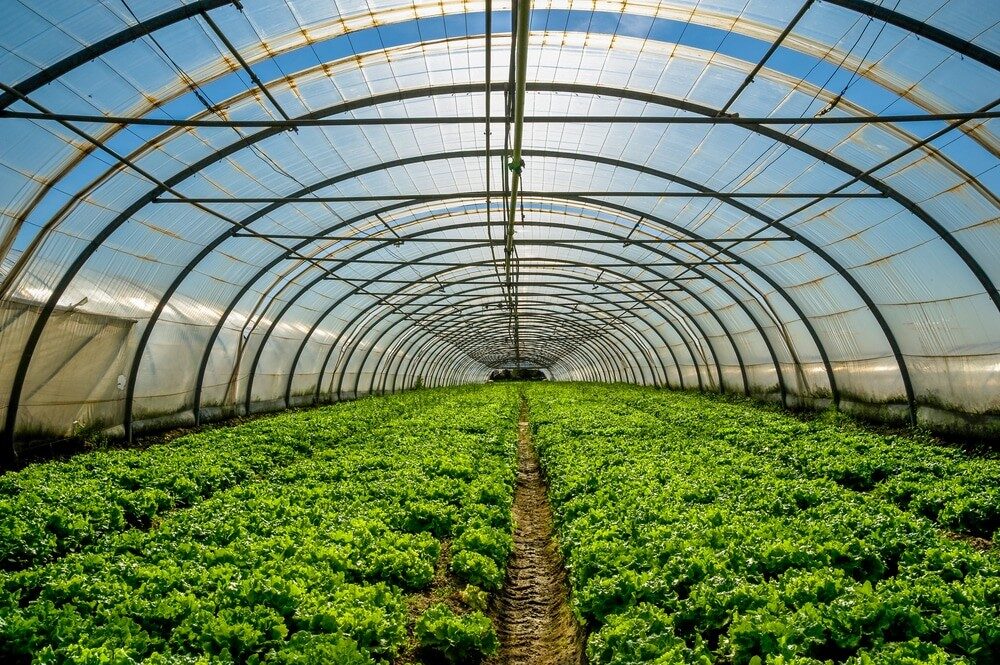
- Protected cultivation via polyhouses/greenhouses
- Organic farming & certification
- Beekeeping for pollination
- Mechanisation to reduce labour dependency
- Cold chain and logistics infrastructure
2. Horticulture Cluster Development Programme (HCDP)
This initiative builds on geographical strengths—focusing resources where crops naturally thrive. It integrates production, branding, logistics, and market linkages, aiming to make Indian horticulture more competitive globally.
3. Clean Plant Programme (CPP)
CPP ensures disease-free, high-quality planting material for crops like citrus, pomegranate, and grapes. This is critical for improving yields, export quality, and orchard lifespan.
4. National Horticulture Mission (NHM)
Started in 2005-06, NHM supports:
- Quality planting material supply
- Area expansion and rejuvenation of orchards
- Modern technology adoption
- Training and skill development
- Post-harvest and marketing infrastructure
5. Horticulture Mission for North East & Himalayan States (HMNEH)
Launched in 2001-02, HMNEH addresses the region’s unique climatic potential, covering the entire horticulture value chain. Since 2014-15, it has been merged into MIDH.
6. National Horticulture Board (NHB)
Since 1984, NHB has focused on high-tech commercial horticulture, post-harvest infrastructure, and technology adoption for export-oriented growth.
7. Coconut Development Board (CDB)
The CDB promotes:
- Expansion into non-traditional coconut areas
- Post-harvest processing and value addition
- By-product utilisation
- Market development for coconut-based products
8. Central Institute for Horticulture (CIH)
Located in Nagaland, CIH provides training, capacity building, and technical support to farmers in the North Eastern Region, although it doesn’t directly implement schemes.
Research and Innovation
The Indian Council of Agricultural Research (ICAR) and state agricultural universities are central to developing improved horticultural varieties. These research bodies focus on:
- Pest and disease resistance
- Higher yields
- Enhanced nutritional quality
- Climate resilience
Why Horticulture Matters for India’s Future
1. Income Diversification
Horticulture reduces farmers’ dependence on cereals, providing higher per-hectare returns.
2. Employment Generation
The sector offers labour-intensive work—from planting to processing—creating jobs in rural areas.
3. Nutrition Security
Fruits and vegetables are essential for combating micronutrient deficiencies.
4. Export Potential
With better quality control, Indian produce can tap into lucrative global markets for exotic fruits, spices, and floriculture.
Challenges Ahead
Despite progress, challenges persist:
- Fragmented supply chains leading to post-harvest losses
- Limited cold storage in rural areas
- Price volatility for perishable crops
- Skill gaps in modern cultivation and processing
- Climate change impacts on crop cycles and yields
Addressing these issues requires continued policy support, investment in infrastructure, and farmer training.
Cultivating Prosperity
Horticulture has emerged as a key pillar in India’s agricultural transformation. With rising production, better productivity, and targeted government interventions, the sector is driving higher farmer incomes, rural employment, and export growth.
As farmers like K. T. Francis and Prabhat Das show, adopting high-value crops and modern practices can turn small farms into profitable enterprises. Sustained investment in quality planting material, post-harvest infrastructure, and skill development will ensure horticulture continues to strengthen India’s agri-economy while improving nutrition and livelihoods nationwide.

