
India’s achievement in developing its own indigenous 4G technology stack, known as the “Made-in-India 4G stack” or “Bharat Telecom Stack,” marks a monumental technological milestone and positions the country among a select group of only five nations globally with this capability. This breakthrough signifies India’s leap from a technology consumer to a technology innovator and exporter in the telecom sector, with profound implications for the nation’s economy, business landscape, and trade prospects.
What is the Made-in-India 4G Stack?
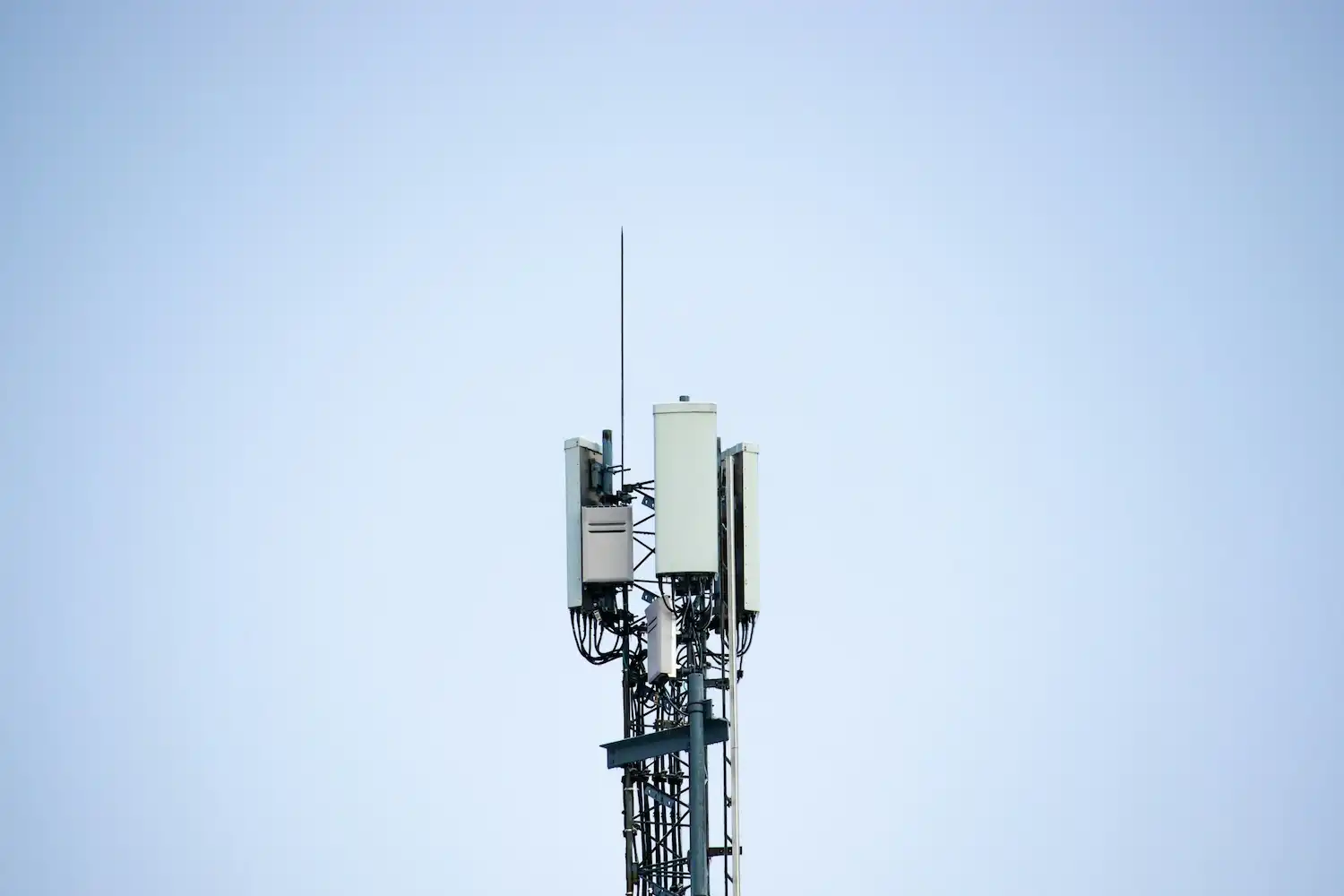
The 4G stack refers to the complete set of hardware and software technologies that enable the operation of 4G mobile networks. It includes the core network software, radio access network (RAN) equipment, and system integration components that together provide seamless, high-speed mobile internet connectivity. India’s 4G stack was developed through a collaboration involving key Indian organizations: the Center for Development of Telematics (C-DOT) contributed the core network technology, Tejas Networks provided the radio and base station equipment, while Tata Consultancy Services (TCS) served as the systems integrator.
This indigenous 4G system has already been operationally deployed across approximately 100,000 BSNL towers nationwide, including rural and remote areas that historically faced digital connectivity challenges. The solution has built-in upgradability to 5G technology, enhancing India’s preparedness for future telecom advancements while boosting national security and digital sovereignty.
Technological Significance
Technologically, developing a full 4G stack domestically is a remarkable feat because telecom infrastructure traditionally relies heavily on foreign technology suppliers (mostly from the US, China, Europe, and South Korea). By mastering this complex technology, India closes a critical dependency gap and gains full control over the telecom infrastructure that underpins much of its digital ecosystem.
The new 4G stack promises faster and more reliable internet speeds, seamless connectivity, and improved network resilience. The ability to upgrade this stack smoothly to 5G also future-proofs Indian telecom infrastructure and supports the government’s larger vision of technological sovereignty, culminating in the “India 6G Vision 2030” roadmap.
Economic and Business Impact
India’s entry into the elite group of nations possessing indigenous telecom network technology opens up multiple new economic avenues. The technology is ready for global export, which can become a significant source of foreign exchange earnings and enhance India’s tech export portfolio. The government and industry expect the line of telecom equipment manufacturing, supported by schemes like the Production-Linked Incentive (PLI), to attract more investments, stimulate high-skill jobs, and catalyze a high-value manufacturing ecosystem.
Since 2014, India’s mobile phone manufacturing has increased 28 times, and exports of mobiles and related telecom equipment have surged 127 times, illustrating India’s rapid growth as a manufacturing and export hub in this sector. Electronics manufacturing overall has grown six-fold during this period.
Additionally, the telecom sector’s rapid expansion—evidenced by the installation of over 100,000 indigenous 4G towers and broadband coverage reaching 944 million users—has made digital connectivity a ubiquitous reality across India. This infrastructural growth accelerates digital inclusion and supports startups, innovation hubs, and the broader digital economy. The government also promotes innovation through funding initiatives such as the Digital Innovation Square and Telecom Technology Development Fund, fostering a vibrant ecosystem for cutting-edge research and technology development.
Strategic and Trade Implications
Strategically, the indigenous 4G stack strengthens India’s digital sovereignty by reducing reliance on foreign technology, mitigating cybersecurity risks, and controlling key telecom infrastructure. This autonomy is increasingly critical given the geopolitical sensitivities around telecom networks and data privacy.
On the trade front, India positioning itself as a telecom technology exporter enhances its stature in global supply chains and counters disruptions caused by international tensions. With 30,000 new jobs generated in telecom equipment manufacturing alone, the sector contributes directly to employment and economic growth. India’s telecom exports and manufacturing prowess align with global trends favoring localized production to ensure supply chain resilience.
What It Means for India
- Technological Independence: India’s 4G stack achievement liberates the country from foreign technology dependencies, enhancing security and innovation control.
- Digital Inclusion: The deployment in diverse regions, including rural areas, helps bridge the digital divide, enabling millions of Indians to access high-speed internet.
- Export Potential: The ready-to-export indigenous technology opens revenue streams from global telecom markets, positioning India as an emerging technology supplier.
- Economic Growth: Telecom manufacturing growth fuels job creation, attracts investments, and creates a strong domestic electronics ecosystem.
- Global Competitiveness: With increasing production capabilities and exports, India moves closer to becoming a global telecom and electronics hub.
- Future Readiness: The system’s upgradability to 5G and plans for 6G provide a roadmap for India’s continued leadership in telecom technology.
India’s development and deployment of a homegrown 4G technology stack mark a transformative milestone in the nation’s telecom story. It reflects the success of policies geared towards Atmanirbhar Bharat (self-reliant India), signals India’s arrival on the global technology stage, and promises to reshape the country’s economic and strategic landscape profoundly. This breakthrough not only enhances everyday digital connectivity for Indians but also strengthens India’s export potential, global business footprint, and technology sovereignty, ensuring that India belongs to the elite league of telecom innovators in the world.

