
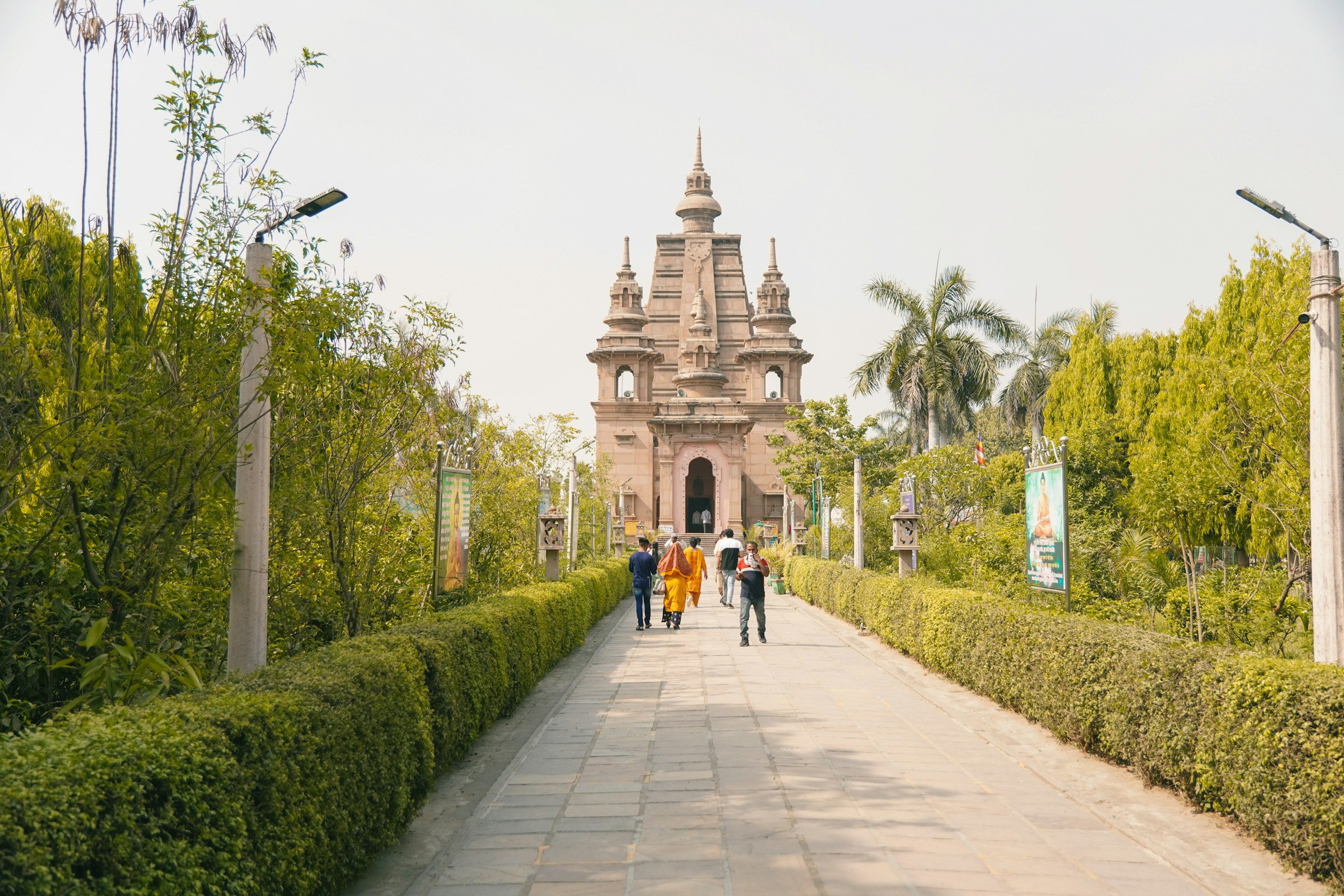
The Uttar Pradesh Buddhist Circuit weaves a quiet thread through the plains of northern India, tracing the life and teachings of Gautama Buddha in places that have drawn pilgrims, seekers, and curious travelers for over two millennia. While the global Buddhist Circuit famously includes Lumbini (birth) in Nepal and Bodh Gaya (enlightenment) in Bihar, Uttar Pradesh claims four of the eight most sacred sites: where he preached his first sermon, spent many rainy-season retreats, lived his princely youth, and entered Mahaparinirvana (final passing). In recent years, the circuit has seen a remarkable revival, with over 61 lakh visitors to its key spots between January and September 2025 alone, proof that this ancient path still resonates in our fast-paced world.
Imagine stepping away from the clamor of modern life into serene stupas and excavated monasteries, where the air feels lighter and time slows. Uttar Pradesh’s Buddhist heritage isn’t just ruins; it’s a living invitation to reflection, compassion, and inner stillness.
Sarnath: The First Turning of the Wheel
Start in Sarnath, just 10 km from the spiritual chaos of Varanasi. Here, in the Deer Park (Mrigadaya), a newly enlightened Buddha delivered his first sermon, the Dhammacakkappavattana Sutta, to five ascetics, setting in motion the wheel of Dharma. The towering Dhamek Stupa, built by Emperor Ashoka in the 3rd century BCE and later expanded, marks the exact spot. Its cylindrical brick form, etched with delicate floral motifs, rises like a silent sentinel amid green lawns.
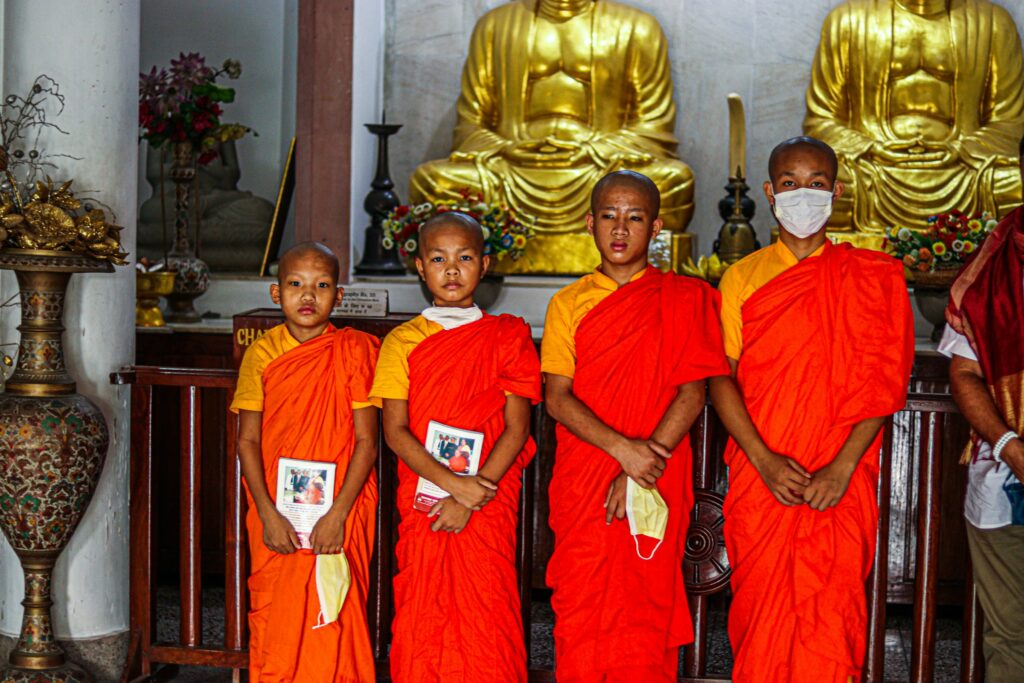
Wander to the nearby Chaukhandi Stupa (where Buddha met his first disciples) and the excellent Sarnath Archaeological Museum, home to the iconic Lion Capital, India’s national emblem, and countless Buddha images that radiate calm. International monasteries from Japan, Thailand, Sri Lanka, and Tibet add vibrant color, with chanting echoing softly. It’s a place where history whispers: this is where a philosophy that would influence a third of humanity began.
Kushinagar: The Final Resting Place
Farther east lies Kushinagar, the poignant endpoint. Under two sal trees in a grove belonging to the Malla clan, Buddha lay down on his right side, gave final teachings to his disciples, and attained Mahaparinirvana at age 80. The Mahaparinirvana Temple shelters a 6.1-meter-long reclining Buddha statue, serene in death, eyes half-closed, a gentle smile on his lips, that never fails to move visitors.
Nearby, the Ramabhar Stupa marks his cremation site, a massive earthen mound surrounded by quiet fields. Kushinagar draws the largest crowds on the UP circuit (nearly 19 lakh in early 2025), including growing numbers of international pilgrims. The town’s international monasteries offer a peaceful contrast, and the atmosphere feels deeply contemplative, perfect for meditation or simply sitting in silence.
Shravasti (Sravasti): The City of Many Miracles
Head north to Shravasti, ancient capital of the Kosala kingdom and Buddha’s favorite monsoon retreat for over 24 years. He performed miracles here and delivered profound discourses in the Jetavana Monastery, gifted by wealthy merchant Anathapindika. Excavations reveal foundations of grand monasteries, stupas like Kachchi Kuti and Pakki Kuti, and the Sobhnath Temple area.
The site feels expansive and green, with ruins half-buried in earth, inviting you to imagine the Buddha walking these paths, teaching amid the rains. It’s less crowded than Sarnath or Kushinagar, offering a more intimate connection to his daily monastic life.
Kapilvastu (Piprahwa): The Prince’s Palace
In the northern reaches, near the Nepal border, Kapilvastu (modern Piprahwa) was the Shakya clan’s capital where Prince Siddhartha grew up. He lived here for 29 years with his parents, married Yashodhara, and fathered Rahula before renouncing palace life. Archaeological finds include stupas, monasteries, and a famous relic casket inscribed with references to the Buddha’s remains.
The site evokes the worldly beginnings of an extraordinary journey, palace ruins amid farmland, a reminder that enlightenment often starts in ordinary places.
Other Gems: Kaushambi and Sankisa
The circuit also includes Kaushambi (where Buddha spent time resolving disputes among monks) and Sankisa (legendary site of his descent from Tavatimsa heaven), both gaining attention with new development plans for meditation centers and heritage enhancement.
A Weekend Escape
For a heritage-focused weekend, base yourself in Varanasi and do a day trip to Sarnath (easy access), or fly into Kushinagar’s international airport for the eastern sites. For deeper exploration, consider a 4–5 day self-drive or guided tour: Varanasi/Sarnath → Kushinagar → Shravasti → Kapilvastu. The best time is October–March, when the weather is cool and festivals like Buddha Purnima add special energy.
Uttar Pradesh’s Buddhist Circuit isn’t about ticking off sites, it’s about pausing amid ancient bricks and Bodhi-shaded paths to feel the quiet power of teachings that emphasize mindfulness, kindness, and letting go. In an era of constant noise, these places offer something timeless: a reminder that peace is always within reach, if we choose to walk the path. Whether you’re a spiritual seeker or a heritage lover, the circuit beckons with stories etched in stone and silence.

