
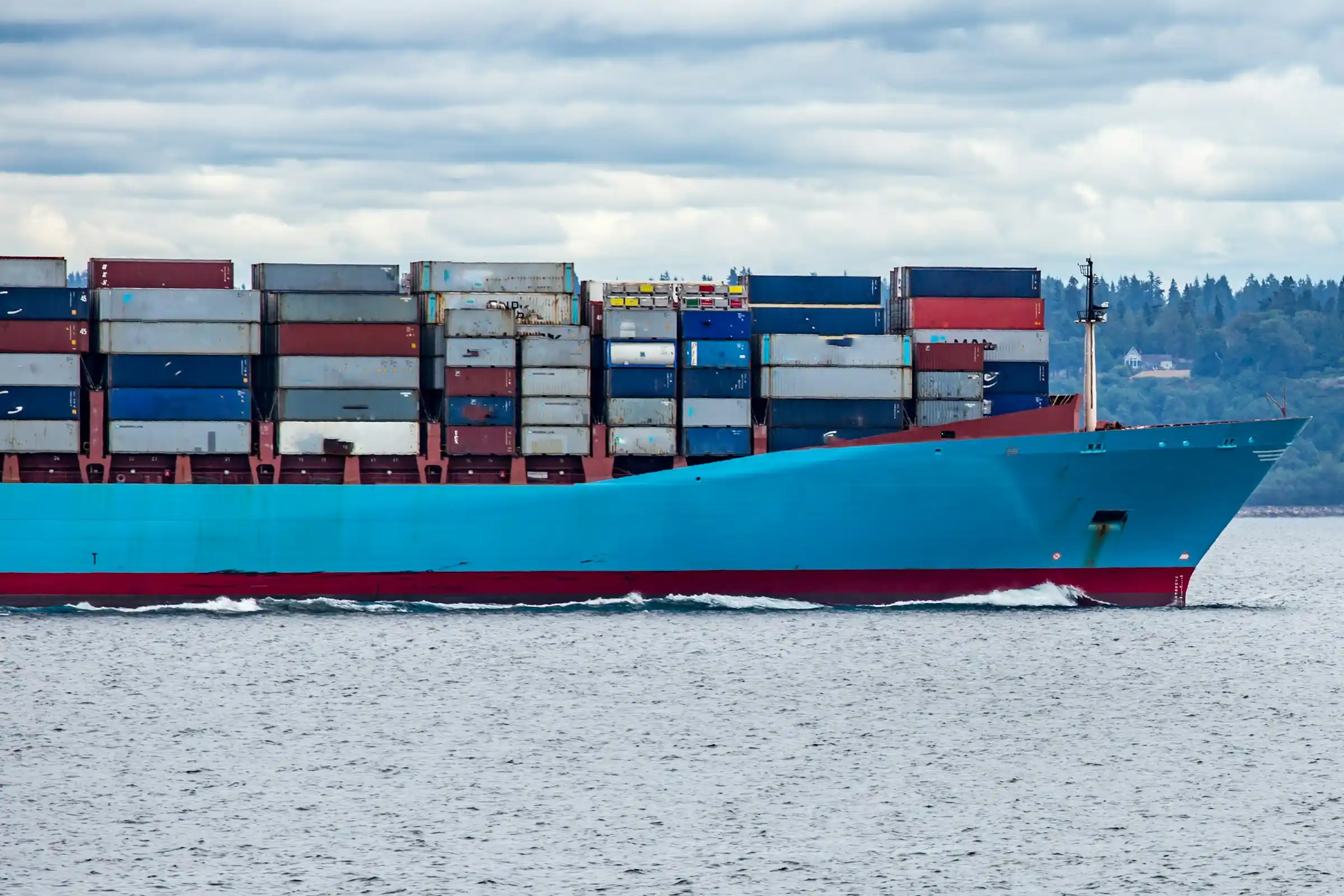
India’s recent export performance tells a compelling story of resilience in an increasingly fragmented global economy. Between November 2024 and November 2025, exports rose sharply by over 15%, while the trade deficit narrowed dramatically. These headline figures, impressive by any standard, reflect more than cyclical recovery—they signal a strategic recalibration of India’s trade model toward diversification, value addition, and deeper global integration. Yet, the sustainability of this success will depend less on growth rates and more on how effectively India manages the structural trade-offs embedded in its strategy.
At the heart of India’s export momentum lies balance. Unlike earlier phases of export growth that leaned disproportionately on either commodities or services, today’s expansion is evenly split between merchandise and services exports. Manufacturing sectors such as garments, engineering goods, chemicals, electronics, petroleum products, and gems and jewellery are growing in parallel with services ranging from IT to professional mobility. This balance matters. In a world where demand shocks, geopolitical disruptions, and protectionist impulses are becoming the norm, diversified export baskets act as shock absorbers rather than amplifiers.
India’s policy emphasis on export diversification is therefore not accidental—it is defensive as much as it is aspirational. Overdependence on a narrow set of products or markets has historically left emerging economies exposed to volatile capital flows and sudden demand collapses. The document rightly frames diversification as a tool for macroeconomic stability, knowledge spillovers, and productivity growth. What is notable, however, is that India is pursuing diversification not just across products, but across geographies and regulatory regimes, signaling a more mature understanding of global risk.
Trade agreements are the most visible instrument of this strategy. The Comprehensive Economic Partnership Agreement (CEPA) with Oman, signed in December 2025, exemplifies India’s shift toward regionally targeted, sector-sensitive trade diplomacy. Unlike earlier free trade agreements that often privileged headline tariff reductions, this CEPA extends into services, professional mobility, traditional medicine, and MSME participation. Zero-duty access on over 98% of Oman’s tariff lines may grab attention, but the deeper significance lies in the institutional commitments that integrate Indian producers and professionals into Gulf supply chains on more predictable terms.
More broadly, India’s expanding FTA network—from the UK and UAE to EFTA countries and Australia—signals a re-entry into global trade rulemaking after years of relative caution. The UK agreement, in particular, reflects a new confidence: duty-free access for nearly all Indian exports, eased mobility for professionals, and relief from double social security contributions together address long-standing non-tariff barriers that tariff cuts alone could never solve. This is trade policy evolving beyond customs schedules into the architecture of economic participation.
Yet, this aggressive FTA push is not without risks. Preferential trade agreements can fragment trade as much as they liberalize it, especially when rules of origin become complex and compliance costs rise for smaller firms. While the document emphasizes MSME inclusion, the real test will be whether small exporters can practically utilize these agreements or whether benefits accrue disproportionately to larger, compliance-ready firms. Export promotion schemes such as Niryat Protsahan and Niryat Disha attempt to bridge this gap, but administrative capacity at the district and firm level remains uneven.
Domestic reforms are the quieter backbone of India’s export story. Labour code consolidation, GST 2.0 reforms, logistics rationalization, and digital trade platforms all aim to reduce the “India cost” that has historically blunted export competitiveness. The Production Linked Incentive (PLI) scheme, particularly in electronics, has already reshaped India’s export profile, transforming mobile phones from a marginal export into a flagship product within a decade. This suggests that industrial policy, when aligned with global demand and supply-chain realignments, can yield rapid dividends.
However, industrial policy also demands discipline. As global demand softens and subsidy scrutiny intensifies at the WTO, India will need to ensure that incentives remain performance-linked, sunset-bound, and productivity-enhancing rather than fiscally entrenched. Export competitiveness ultimately rests not on incentives alone, but on quality, reliability, and innovation—areas where regulatory certainty and skills development matter as much as capital.
The narrowing trade deficit offers another moment of reflection. While it indicates stronger export performance relative to imports, it should not be misread as a policy objective in itself. For an economy of India’s size and growth ambition, imports of capital goods, energy, and technology are not weaknesses but enablers. The challenge is not minimizing imports, but ensuring that imports feed into higher-value exports over time—a transition that diversification and FTAs can support if executed carefully.
Looking ahead, India’s ongoing negotiations with the United States, European Union, ASEAN, and other partners will test its ability to balance ambition with autonomy. Deeper integration brings market access, but also exposure to environmental, labour, and digital trade disciplines that will shape domestic regulation. India’s success will depend on negotiating agreements that preserve policy space while embedding Indian firms more deeply into global value chains.
In sum, India’s export surge is real, broad-based, and strategically underpinned. But its durability will hinge on execution—on whether trade agreements translate into utilization, whether reforms reach the smallest exporter, and whether diversification evolves from policy intent into firm-level capability. The numbers suggest momentum. The next phase will determine whether that momentum becomes transformation.

