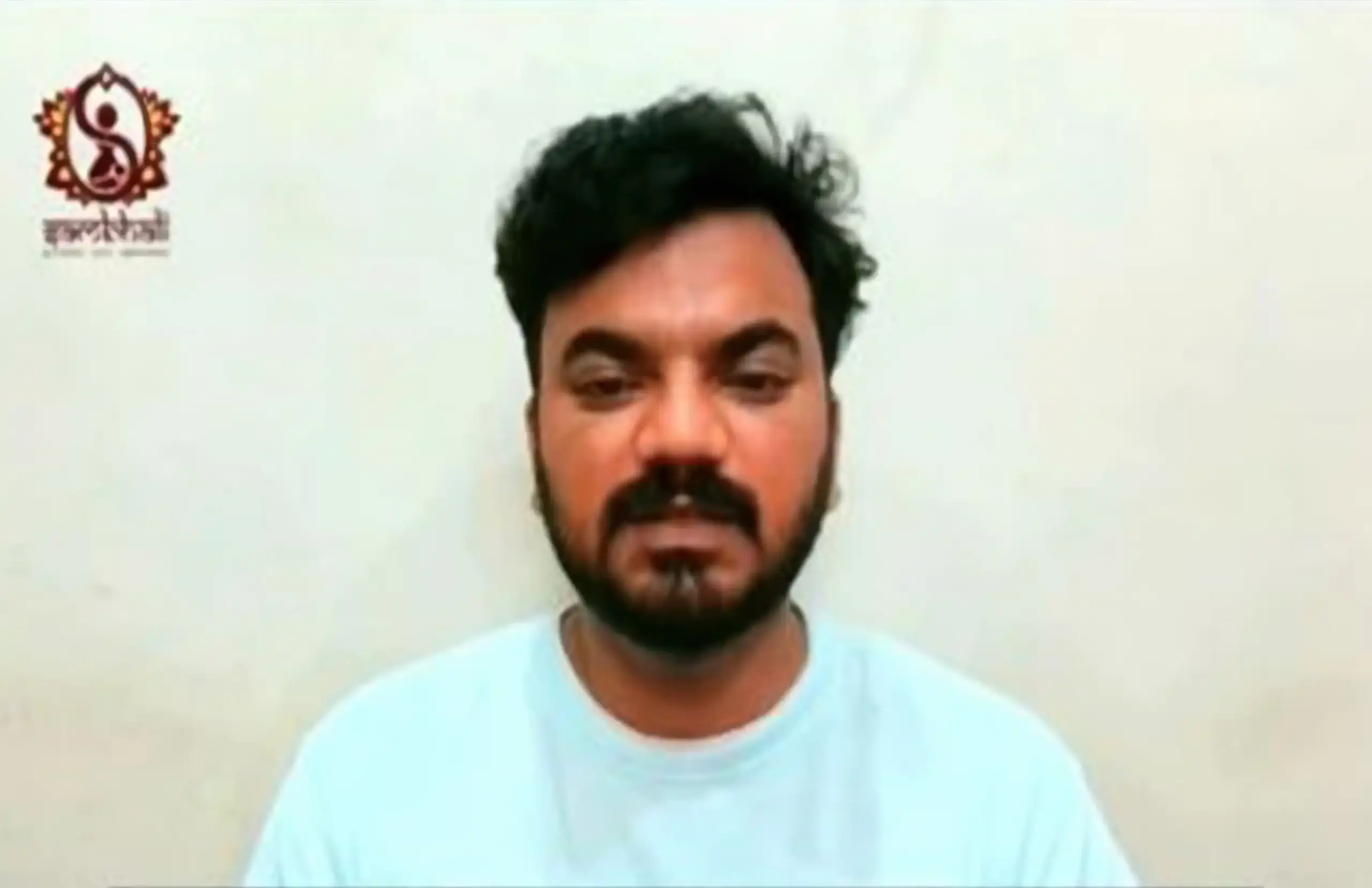
In a compelling address at the United Nations Human Rights Council (UNHRC) in Geneva, the Rajasthan-based non-governmental organization Sambhali Trust called for human rights to be fully integrated as a fundamental principle across all levels of governance and development worldwide.
Speaking during the Annual High-Level Panel Discussion on Human Rights Mainstreaming at the ongoing 61st session of the UNHRC (which runs from February 23 to March 31, 2026), Mr. Hansraj Singh, representing Sambhali Trust, stressed that mainstreaming human rights should move beyond mere rhetoric. He advocated for it to become a practical, cross-cutting element woven into policies, institutions, and on-the-ground implementation strategies.
“Human rights mainstreaming must not remain a theoretical commitment but should function as a cross-cutting principle integrated into policies, institutions, and implementation frameworks,” Singh emphasized in his intervention.
The organization, founded in 2007 and dedicated to empowering marginalized women and girls in Rajasthan through education, vocational training, health support, livelihood programs, and protection services, highlighted India’s domestic efforts as illustrative examples of progress in this area. Singh pointed to the country’s constitutional safeguards for fundamental rights, along with targeted legislation and expansive welfare schemes designed to promote equity, access, and accountability.
Among the initiatives highlighted were:
- Mission Vatsalya, which focuses on child protection, care, and holistic development for children in difficult circumstances, emphasizes family-based care and innovative solutions to support vulnerable youth.
- POSHAN Abhiyaan (National Nutrition Mission), aimed at improving nutritional outcomes for children, pregnant women, lactating mothers, and adolescent girls through better health and early childhood care.
- Pradhan Mantri Awas Yojana (Prime Minister’s Housing Scheme) provides affordable housing to underserved populations to enhance living standards and dignity.
- Various digital inclusion programs under the flagship Digital India initiative aim to bridge the digital divide by expanding access to technology, education, and services for remote and disadvantaged communities. Key examples include Pradhan Mantri Gramin Digital Saksharta Abhiyan (PMGDISHA), aimed at making millions in rural households digitally literate by training at least one family member in basic digital skills; BharatNet, which lays optical fibre networks to connect rural areas with high-speed broadband; Aadhaar, the world’s largest biometric digital identity system enabling seamless access to services; and platforms like DIKSHA (Digital Infrastructure for Knowledge Sharing), which delivers digital educational content to schools nationwide.
These programs, according to Singh, reflect deliberate steps by India to embed principles of human dignity, equality, and justice into national development agendas, aligning with broader global goals such as the Sustainable Development Goals (SDGs).
Sambhali Trust’s participation underscores the growing role of civil society organizations from the Global South in international human rights forums. Operating primarily in the Jodhpur, Setrawa, and Jaisalmer districts of Rajasthan, the Trust has reached tens of thousands of women and children through empowerment centers, boarding homes, scholarships, sewing training, and helplines that address issues such as abuse and abandonment.
The intervention comes amid ongoing discussions at the 61st session on critical themes, including the protection of human rights defenders, economic and social rights, and the need for sustained international cooperation. By spotlighting grassroots perspectives and national achievements, Sambhali Trust contributed to the dialogue on making human rights a lived reality rather than an abstract ideal.
Such inputs from NGOs, such as Sambhali Trust, enrich the Council’s debates by highlighting how localized efforts can inform and strengthen the global human rights architecture. The session continues in Geneva, with further panel discussions and resolutions expected in the coming weeks.