
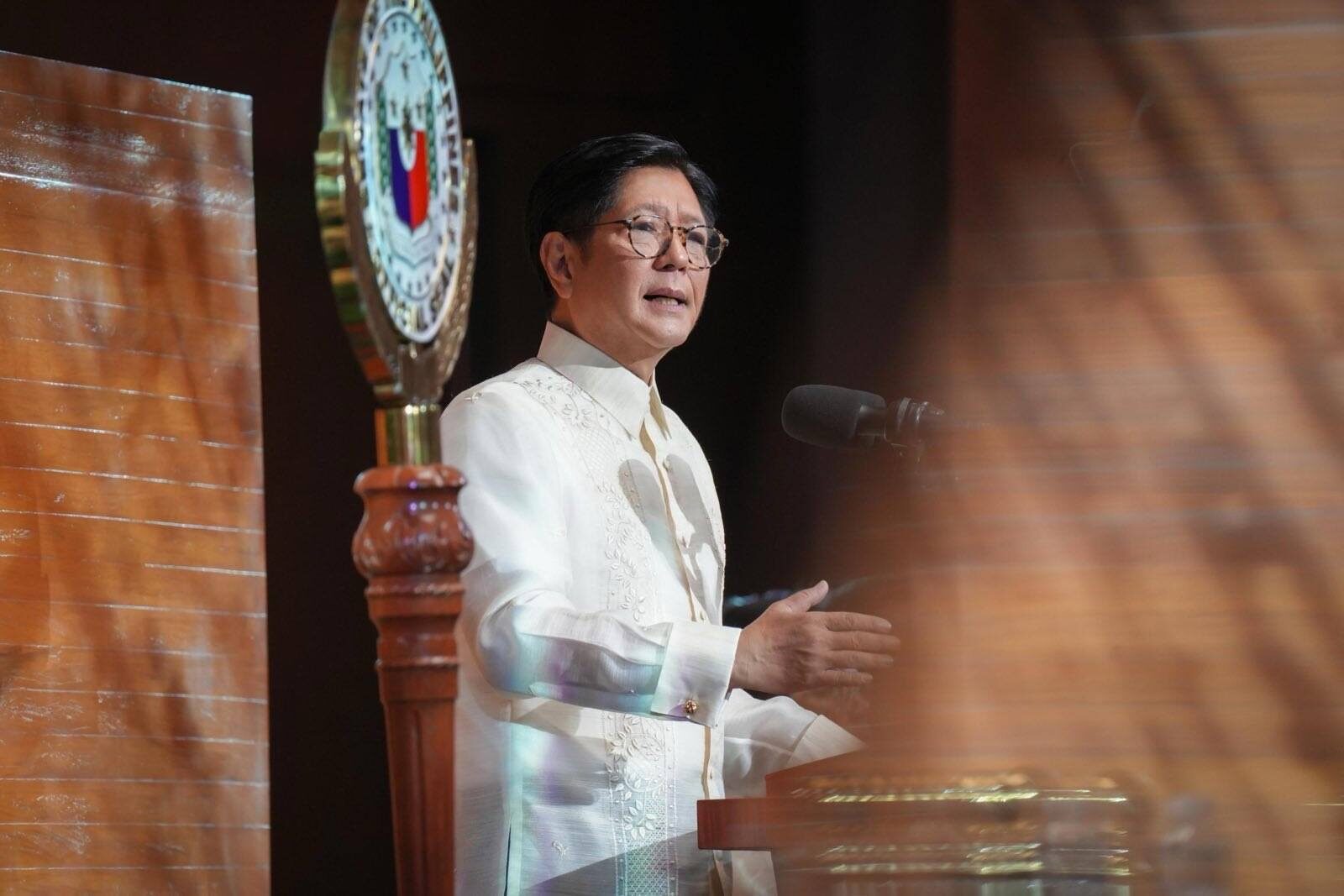
The state visit of Philippines President Ferdinand “Bongbong” Marcos Jr. to India is far more than a ceremonial milestone—it’s a calculated pivot with wide-reaching implications for both nations and the Indo-Pacific at large. Marking the 75th anniversary of diplomatic ties, this visit comes at a moment of strategic recalibration for both New Delhi and Manila, foregrounded by shifting regional security dynamics and the urgency of economic recovery.
Strategic Significance for Bilateral Ties
1. A New Chapter in Defence and Security Cooperation:
One of the most notable markers of this visit is the expanding military bond, particularly following India’s supply of BrahMos supersonic cruise missiles to the Philippines—a first for India’s major arms exports in Southeast Asia. Against the backdrop of escalating tensions in the South China Sea, both countries are seeking to bolster maritime security. The Philippines, facing increasing pressure from China in its territorial waters, sees India as an emerging power capable of balancing regional hegemony. India, on the other hand, finds in the Philippines a willing partner to anchor its “Act East” policy and its Indo-Pacific vision—especially under “Vision MAHASAGAR”, which prioritizes maritime cooperation.
2. Economic Engagement and Shared Growth:
Trade between the two countries has crossed $3 billion, and there is ample room for growth in sectors like information technology, digital technologies, pharmaceuticals, health care, agriculture, and tourism. India’s pharma exports are particularly relevant to Philippine efforts to secure affordable medicine. The inclusion of business leaders and the Bengaluru leg of Marcos’s trip underscore the seriousness with which both countries view economic linkages.
3. Historical and Cultural Bonds:
Beyond economics and security, the relationship is anchored in shared civilizational connections—seen in cultural and linguistic affinities that date back centuries. Both nations stress democratic values, pluralistic societies, and people-to-people ties, which lend depth to their strategic partnership.
Likely Topics on the Discussion Table
A. Defence and Maritime Security:
- Additional acquisition of Indian defence equipment, including more BrahMos missiles.
- Joint naval exercises and cooperation in cybersecurity.
- Alignment on freedom of navigation and adherence to international maritime laws in the South China Sea.
B. Trade and Economic Cooperation:
- Expansion of trade, with a focus on reducing tariffs and barriers for key goods.
- Partnerships in digital technologies, pharmaceuticals, agribusiness, and infrastructure.
- Attracting Indian investment in Philippine IT and fintech sectors, and vice versa.
C. Health and Pharmaceuticals:
- Affordable and accessible medicines for Filipinos.
- Collaboration on pandemic preparedness, research, and biotech.
D. Connectivity and Tourism:
- Enhancing connectivity, physically (air links) and digitally (technology partnerships).
- Promoting tourism flows to boost both economies.
E. People-to-People Ties and Education:
- Student exchanges, scholarships, and boosting cultural understanding.
- Support for Filipino communities in India and vice versa.
F. Regional and Global Issues:
- Coordination within ASEAN and broader Indo-Pacific forums on regional stability.
- Dialogue on emerging global issues such as climate change, energy security, and technology governance.
Wider Geopolitical Implications
The elevation of bilateral ties dovetails with mounting contestation in the Indo-Pacific. With Manila’s outreach to both India and Japan, the Philippines signals a diversification of its strategic partnerships beyond the United States. For India, solidifying relations with ASEAN’s frontline state in the South China Sea is a counterweight both to China’s assertiveness and to strengthen coalitions for a “free, open, and inclusive Indo-Pacific.”
President Marcos’s visit is more than a diplomatic formality; it’s a recalibration of the India-Philippines relationship, now set on a firmer footing aligned with strategic, economic, and people-centric priorities. Both countries recognize the benefits of collaboration, not just to further their individual national interests, but as pivotal players in the Indo-Pacific’s evolving order. The challenge will be to translate momentum into tangible outcomes that deliver for both nations’ citizens and promote peace, stability, and prosperity in the region.

