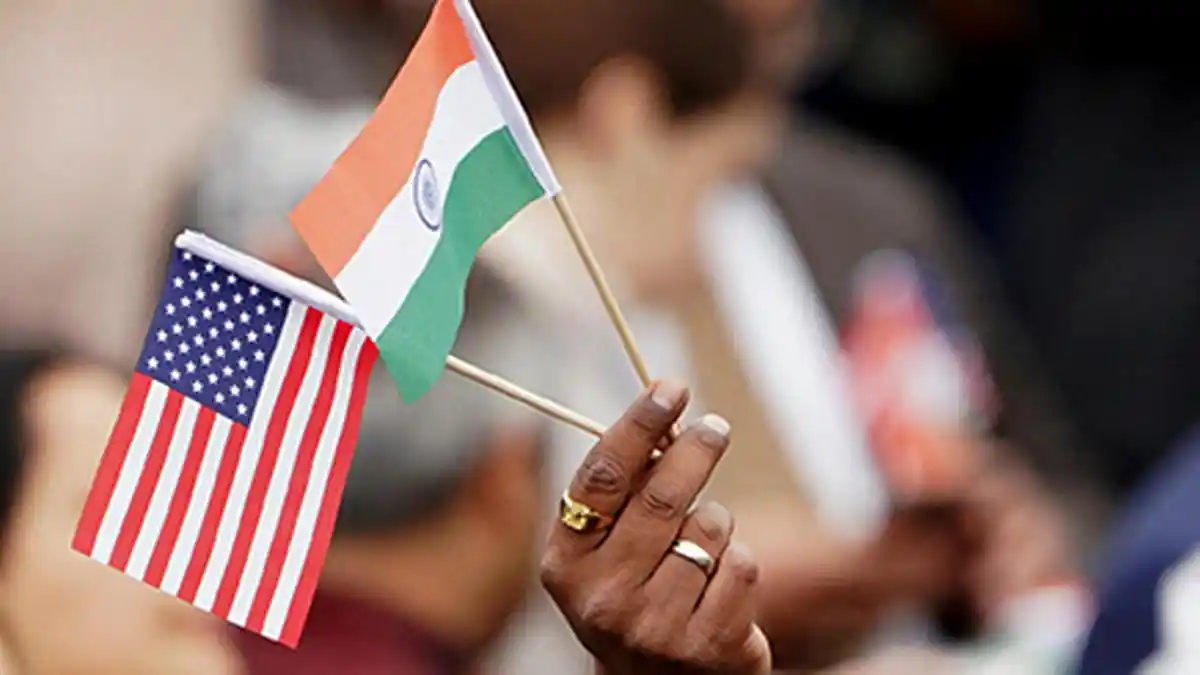
The recent developments in the India-US trade deal signal encouraging progress and a likely breakthrough by the end of 2025, after months of stalled negotiations and trade frictions. The talks focus on reciprocal trade agreements aimed at balancing tariffs and expanding market access between the two largest democracies. This comes amid broader geopolitical and economic pressures, including US tariffs on Indian goods and disagreements over India’s purchase of Russian oil.
🔥 India-US trade deal expected by November-end!
— Everyday Pursuits (@evrydaypursuit) November 16, 2025
✅ Russian Oil tariffs withdrawn
✅ Reciprocal rates: 12-19%
✅ India opens soybean, corn, dairy imports
✅ 254 ag products get tariff relief
New US Ambassador Gor stepping in. Both sides ready to sign. 🤝#Trump #IndiaUS #Tariffs pic.twitter.com/rxZuttFH0E
The India-US trade relationship recently faced tensions, especially after the US imposed a 50% tariff on Indian imports. This move was part of Washington’s effort to counter Moscow’s war efforts, but it strained bilateral commerce, which was around $190 billion in 2024. Trade negotiations, initially stalled, have gained new momentum following diplomatic engagement and changes in the US policy stance.
Positive Momentum and Negotiations
Since early 2025, India and the US have intensified negotiations on a comprehensive trade deal. The talks have focused on two parallel issues: a reciprocal trade agreement and concerns about India’s imports of Russian oil. Washington has recently scaled back its confrontational approach, reflecting a readiness to engage constructively. Both sides have described the discussions as serious, constructive, and making encouraging progress toward resolving long-standing irritants.
Union Minister Piyush Goyal confirmed that the first tranche of the trade agreement is expected to be finalized by November 2025, following instructions from Prime Minister Narendra Modi and US President Donald Trump. Both leaders emphasized the special and natural partnership between the nations, signaling political will to unlock the full potential of bilateral trade.
Key Areas of Agreement
The proposed deal aims to:
- Reduce US tariffs on Indian imports significantly—from 50% to approximately 15-16%—which would improve market access for Indian exporters.
- Facilitate duty-free imports into India of select US agricultural products, including soybeans and maize (corn), to support Indian poultry and animal feed sectors.
- Restore trade preferences for Indian goods that Washington had previously withdrawn.
- Increase access for Indian services professionals to the US market, a critical demand for India’s growing IT and services sectors.
- Address technical and regulatory barriers affecting industrial goods and agricultural exports in both directions.
In a notable development, the US has rolled back tariffs on over $1 billion worth of Indian agricultural and processed food exports, lowering duties from 50% to zero on spices, tea, coffee, fruits, nuts, essential oils, and cocoa-based products. This rollback is expected to boost Indian farmers, strengthen value-added exports, and improve price competitiveness in the US market. The move follows domestic political pressure in the US over rising grocery bills and electoral setbacks, making it a significant political and economic gesture.
Broader Strategic and Economic Implications
The India-US trade deal is unfolding against the backdrop of global economic uncertainty and trade tensions. For India, the agreement comes as part of a broader effort to diversify export markets and reduce dependence on any single trading partner. For the US, the deal aligns with a renewed emphasis on building constructive bilateral trade relations, as evidenced by parallel agreements with Latin American countries and ongoing talks with other key economies.
A new US ambassador to India, Sergio Gor—a close associate of President Trump—has been appointed to drive trade talks forward. Both leaders have expressed optimism that tariff reductions and expanded market access could soon materialize, marking a pivotal moment in reshaping economic ties between the world’s largest and fifth-largest economies.
While progress has been encouraging, officials acknowledge that significant work remains to finalize a comprehensive agreement. Issues surrounding market access details and technology transfer protections continue to require negotiation. However, the pace and tone of talks indicate a strong political commitment on both sides to conclude the deal before the end of 2025.