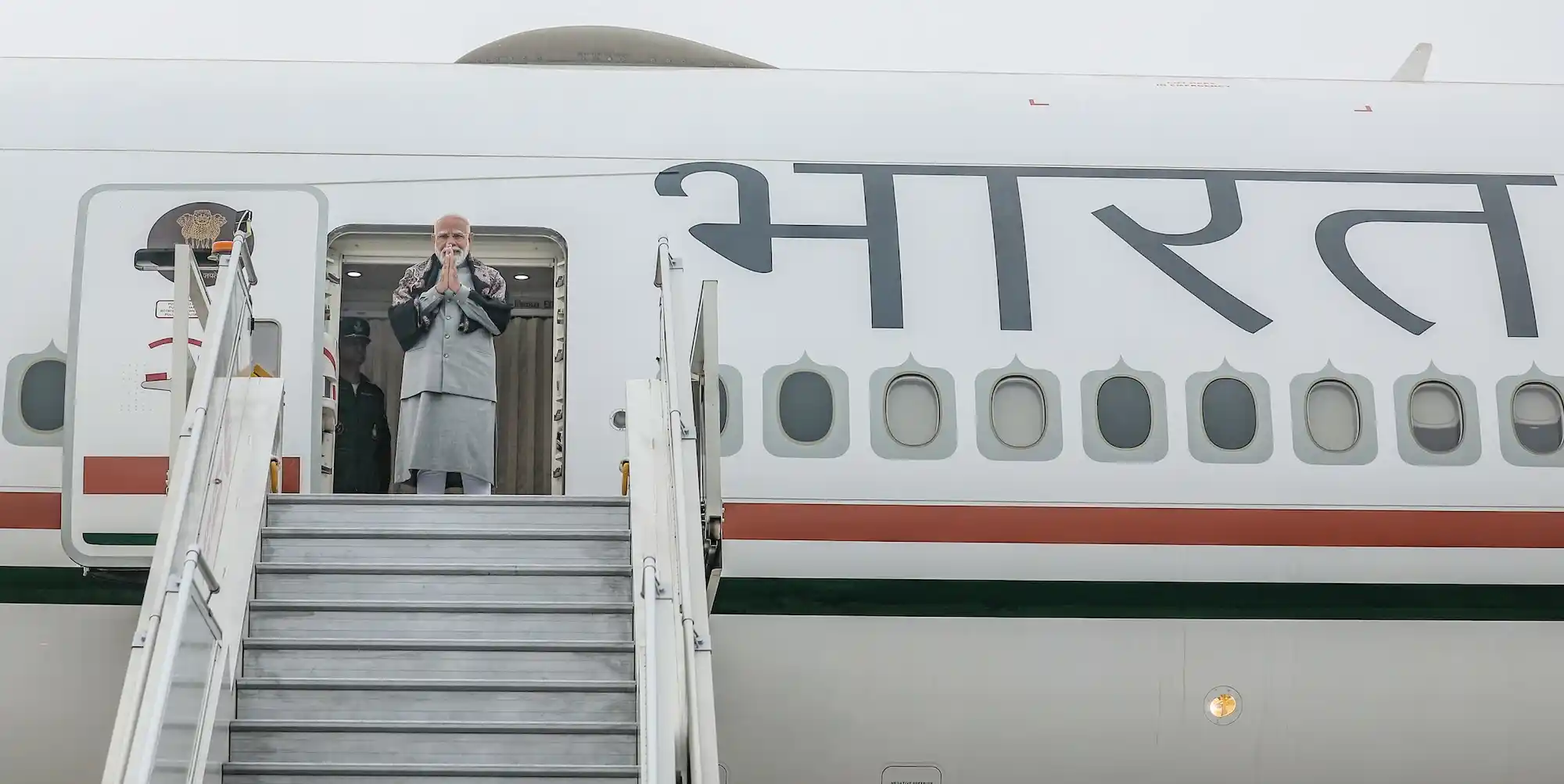
Indian PM Narendra Modi’s three-nation tour to Jordan, Ethiopia and Oman from December 15–18 is less about bilateral atmospherics and more about locking in India’s place in the rapidly reordering politics of West Asia and the Horn of Africa. The things to watch are energy and fertilizer bargains, port and logistics access, and whether New Delhi can translate “Global South” rhetoric into hard infrastructure and security partnerships.
Why these three capitals, and why now
The itinerary links three geographies that sit astride India’s energy lifelines, fertilizer supply chains and new connectivity bets: the Levant, the Gulf and the Horn of Africa. Coming months after the Gaza war, Red Sea disruptions and great‑power jostling in the Horn, the tour signals that India will not leave West Asia–Africa to be carved up solely by the US–China–Gulf triangle.
Jordan offers political ballast and diplomatic moderation at a time when India needs credible partners on Palestine, Jerusalem and regional de‑escalation, even as it deepens ties with Israel and the Gulf monarchies. Ethiopia, host to the African Union and a new BRICS member, is an entry point into continental diplomacy and the logistics of the Red Sea and Bab el‑Mandeb, where India’s energy and trade routes run. Oman, marking 70 years of diplomatic ties with India, remains a pivotal security and energy partner anchoring India’s maritime posture from Duqm to the western Indian Ocean.
Jordan: managing the political optics of West Asia
In Amman, the official agenda is to commemorate 75 years of diplomatic relations and “review the entire gamut” of ties, but the subtext is crisis management in a volatile neighbourhood. Jordan’s custodial role over Islamic holy sites in Jerusalem and its position as a relatively moderate Arab voice make it a useful bridge as India navigates criticism of its perceived tilt towards Israel and the Gulf.
For India, key watch points in Jordan will be:
- Whether the joint statements visibly rebalance India’s language on Gaza, Palestine and humanitarian issues without upsetting Israel and key Gulf partners.
- Any movement on counterterrorism, intelligence sharing and cyber cooperation that deepens security ties beyond trade in phosphates, textiles and traditional goods, where India is already among Jordan’s leading partners.
If New Delhi can frame its Jordan engagement as both values‑driven (stability, humanitarian access) and interests‑driven (fertilizer, food security, connectivity), it will help blunt narratives that India’s West Asia policy has become overly transactional.
Ethiopia: testing India’s Africa play
The Addis Ababa leg—Modi’s first visit to Ethiopia—may prove the most consequential over the long term, because it tests whether India can scale up from scattered projects to a strategic Africa footprint. Ethiopia straddles the Nile politics of East Africa and the maritime politics of the Red Sea; instability there directly affects shipping costs, insurance premiums and the risk calculus for Indian trade.
Things to track in Ethiopia include:
- Concrete announcements on Lines of Credit, digital and health infrastructure, or agriculture and irrigation that can be showcased as a model of “demand‑driven” Global South cooperation.
- Whether India secures a clearer role in ports, logistics corridors or industrial parks linked to the Red Sea, complementing its naval security presence and evacuation experience from past crises.
- Alignment on multilateral forums like the African Union, G20 follow‑through and BRICS, where both sides pitch for reform of global financial and governance structures.
If this visit moves India–Ethiopia ties from scattered capacity‑building to institutionalised economic and security cooperation, it will strengthen New Delhi’s argument that its Africa policy offers a non‑extractive alternative to Chinese and Western models.
Oman: energy, Duqm and the Indian Ocean chessboard
Muscat is where the technocratic core of the trip lies: energy security, fertilizer inputs and maritime leverage. Oman is already described as a “cornerstone” of India’s energy partnership, with bilateral trade above 10 billion dollars in 2024–25 and Indian imports dominated by petroleum gases and urea—critical for India’s fuel and food security.
Three elements stand out in the Oman leg:
- Duqm port and naval access: India’s access to Duqm gives it repair, logistics and potential operational depth near the Gulf of Oman and the approaches to the Red Sea, crucial amid Houthi attacks and great‑power naval deployments.
- Indian community diplomacy: With more than half a million Indians in Oman, any new labour, social security or investment facilitation measures will have domestic political resonance ahead of future state and national elections.
- Green and future energy: Watch for signals on green hydrogen, ammonia, and renewable investments that can plug into India’s energy transition and the evolving India–Gulf–Europe connectivity architectures.
How Muscat calibrates its ties with both India and China in ports, telecom and defense will also be an important indicator of how much strategic weight New Delhi now carries in the lower Gulf.
The larger geopolitical stakes
Beyond bilateral deliverables, the tour is a stress‑test of India’s ambition to be a system‑shaping power in the Indo‑Abrahamic and Indo‑African theatres, not just a balancer. Several broader themes merit attention:
- Securing sea lanes and supply chains: With the Red Sea and Bab el‑Mandeb under strain from conflict, piracy and proxy warfare, a tighter triangle linking Oman’s ports, India’s navy and African partners like Ethiopia strengthens India’s ability to keep energy and trade flowing.
- Competing and converging with China and the Gulf: China’s deep presence in Djibouti, the Gulf and African infrastructure means India must offer credible, timely alternatives; at the same time, Gulf capital is looking to diversify into India’s infrastructure and Africa’s markets, creating scope for India–Gulf–Africa trilaterals in which all three of Modi’s stops could play a role.
- Shaping the “Global South” narrative: Having championed the Global South at the G20, New Delhi now has to show that its partnerships in Addis Ababa and Amman are not episodic photo‑ops but backed by finance, technology and sustained political attention.
PM Modi’s tour to Jordan, Oman, and Ethiopia stands as a masterstroke of strategic foresight, weaving together economic pragmatism, maritime security, and diplomatic bridge-building into a cohesive vision for India’s global ascent. By securing energy lifelines through Oman’s ports, nurturing balanced West Asian ties via Jordan’s moderation, and planting firm roots in Africa’s Horn through Ethiopia’s gateways, New Delhi not only fortifies its supply chains against Red Sea volatilities but also emerges as a reliable architect of stability in multipolar flux. This is diplomacy at its most purposeful—translating rhetoric into resilient partnerships that safeguard India’s growth trajectory while elevating its stature as a pole of opportunity for the Global South.