
1.2K
The ongoing overhaul of its electoral rolls has triggered intense political debate and widespread public interest. At the heart of this exercise is a drive to cleanse, update, and modernize the voter list—a process that is fundamental to the health and legitimacy of the country’s democracy. While critics argue that the timing, methods, and possible consequences of the revision could exclude vulnerable groups, supporters emphasize that without such periodic cleanups, the electoral process risks being compromised by errors, outdated records, and fraud. This explainer delves into why the voter list update is not just an administrative necessity but a pivotal step toward a more robust, transparent, and inclusive democracy in India.
Why Electoral Roll Updates Matter
Foundation of Free and Fair Elections
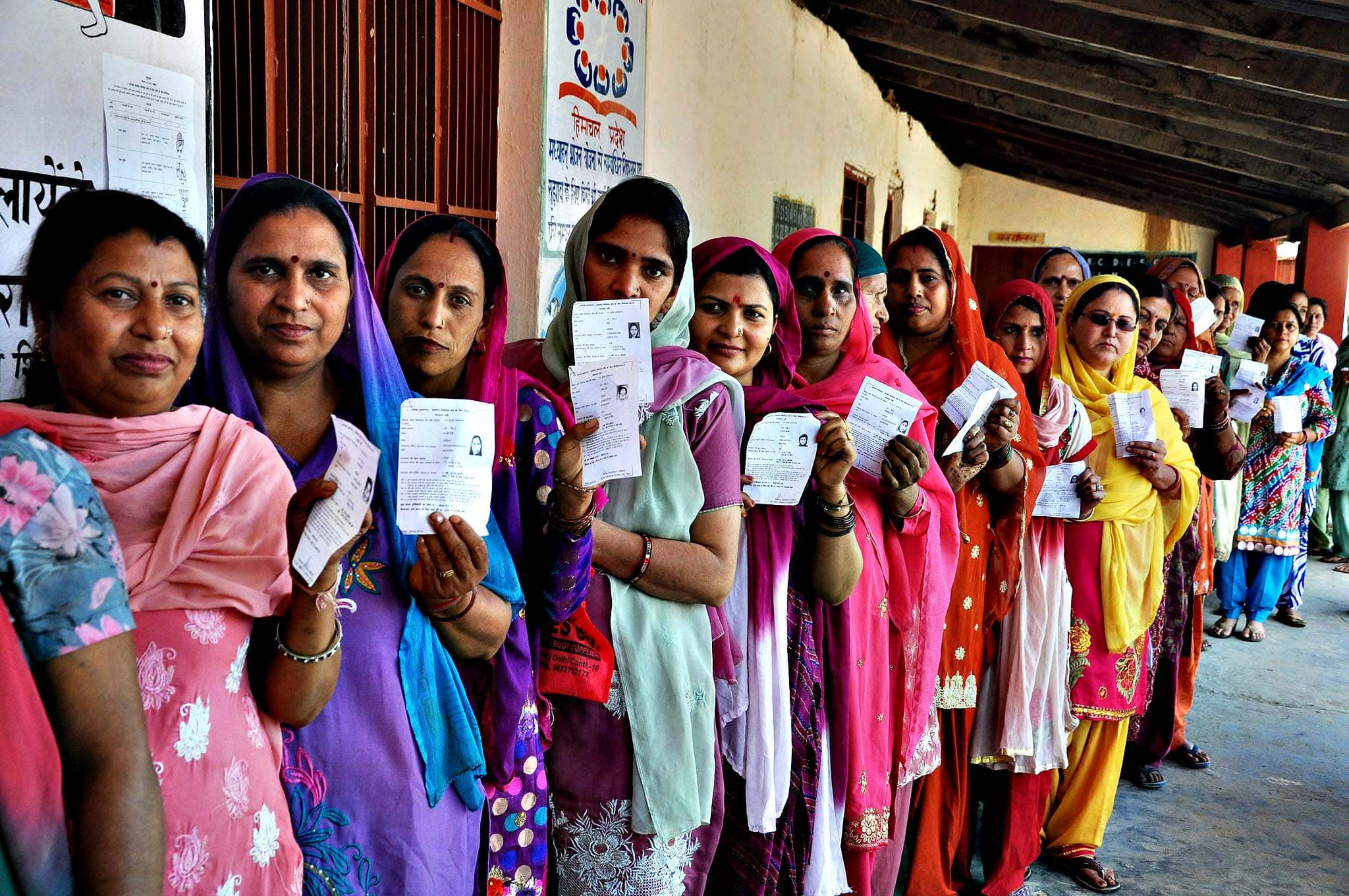
- Electoral roll (voter list) includes every eligible voter in a given constituency—irrespective of caste, gender, class, or creed—which is central to the principle of universal adult suffrage. A pure and updated roll ensures that no eligible citizen is left out and that no ineligible person (such as deceased individuals or duplicates) can vote.
- The Election Commission of India (ECI) has a constitutional mandate to maintain, revise, and purify rolls under Article 324 of the Constitution and the Representation of the People Act, 1950. The credibility of elections rests on the inclusivity and accuracy of this list.
Addressing Demographic Realities
- Rapid Urbanization and Migration: India experiences large-scale, rapid migration (rural to urban and between states), which leads to outdated voter records and “ghost voters.” Regular roll revisions are the only way to ensure mobile populations aren’t disenfranchised—or exploited through bogus votes.
- Young Population: Millions of Indians reach voting age every year. Regular revision ensures that youth are timely included and participate in democracy.
- Deaths and Relocations: Under-reporting of deaths and population shifts can lead to rolls cluttered with outdated entries. Systematic revision identifies and removes such names.
Technological Modernization
- Data-Driven & Transparent: Modern roll updates use data analytics, digital documentation, and door-to-door verification, increasing accuracy and fighting fraud.
Why the Current (2025) Intensive Revision Is Crucial
- Major Exercise After Two Decades: For example, Bihar’s roll had not undergone a full special revision since 2003. The delay meant millions of names had become outdated due to deaths, migration, or duplication. The ongoing Special Intensive Revision (SIR) is removing deceased, relocated, or duplicate entries and adding new, eligible voters.
- Correcting Inherited Flaws: Past errors (like duplicates and ineligible entries) can accumulate without a deep audit; intensive revision—though resource-intensive—prevents systemic errors from creeping into the electoral process.
Addressing the Political Controversy
- Concerns Over Disenfranchisement: Some critics argue that requiring extensive documentation or fresh proof of eligibility (such as birth certificates, not just Aadhaar or ration cards) can inadvertently exclude marginalized, poor, or migrant populations—groups more likely to lack documentation due to socioeconomic reasons.
- The ECI’s Response: The ECI has adopted a broadly inclusive approach, accepting many forms of identification and conducting proactive outreach to maximize enrollment, including home visits and an open claims/objections process for anyone whose name may have been left out inadvertently. Furthermore, all political parties are encouraged to participate, scrutinize, and correct drafts before finalization.
Why It’s Essential – Despite the Friction
- Democracy’s Legitimacy Rests Here: Free, fair, and credible elections require an accurate, up-to-date electoral roll. Without this, the foundation of Indian democracy—public trust in the vote—is at risk.
- Cleansing the Rolls: The removal of over 65 lakh outdated names in Bihar, for example, is not arbitrary—it directly strengthens honesty in voting, prevents fraud, and brings the rolls in line with demographic reality.
- Safeguards for Exclusions: Even those who are inadvertently omitted have an open period to file objections and restore their voting rights before finalization, ensuring fairness.
The Way Forward
- Continuous Updating: To prevent future shocks, the rolls must be updated continually—not just before elections. Annual summaries, transparent audits, and aggressive use of technology will further strengthen the process.
- Greater Inclusivity and Outreach: For India’s democracy to remain vibrant and representative, the process must accommodate those who lack documentation and make special efforts for the most marginalized.

