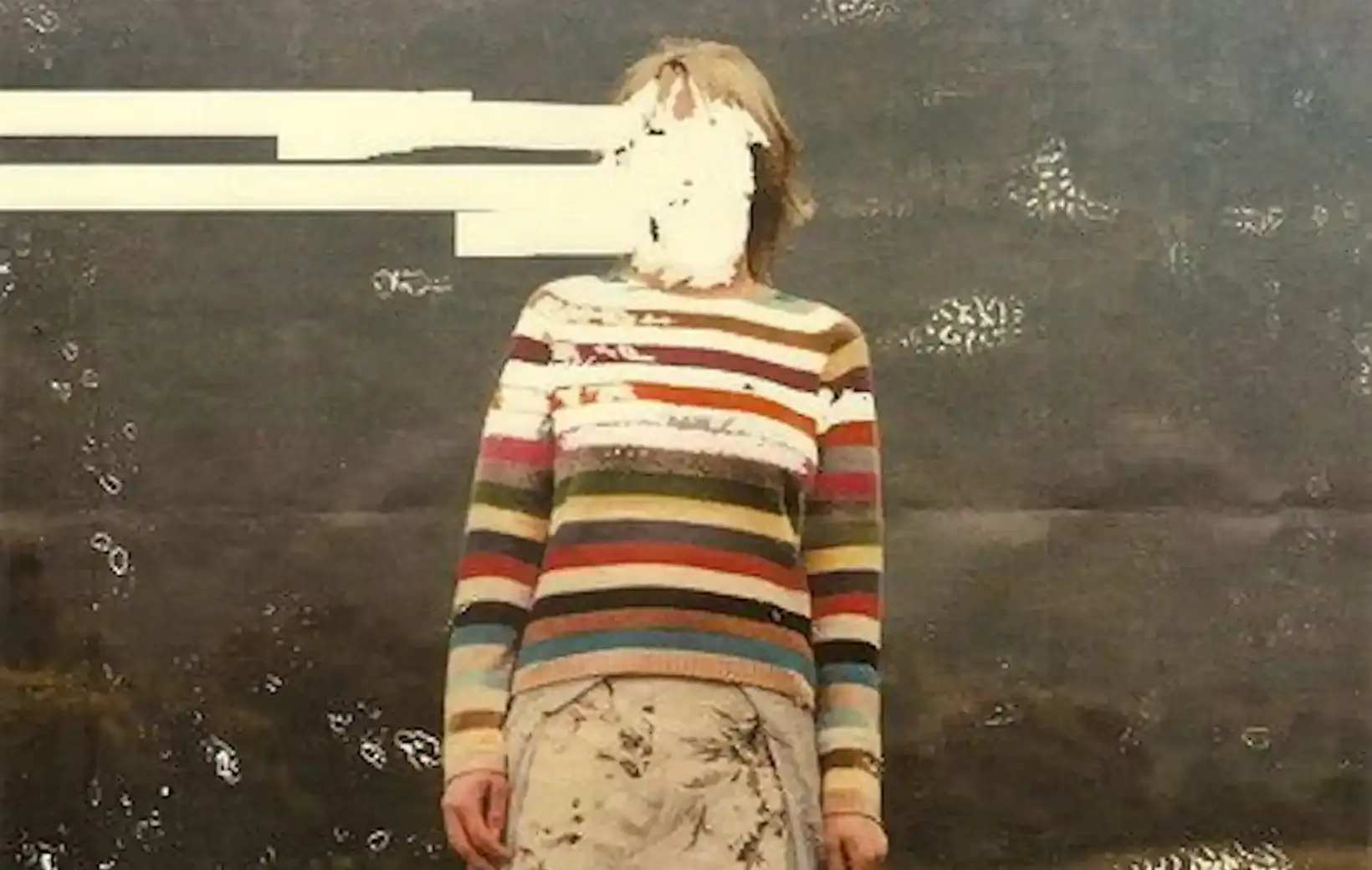
Everyone remembers the outfit.
Not because it was special. But because life happened in it.
It might not even be hanging in your wardrobe anymore. It may have been donated, misplaced, outgrown, or folded into some forgotten corner. But you remember it clearly, the colour, the fit, the way it sat on your body that day. Because something shifted while you were wearing it.
The outfit didn’t change your life.
But it was present when your life changed.
And that’s enough to make it unforgettable.
The first job outfit
For many of us, it was the first job.
The shirt you ironed a little too carefully. The trousers you weren’t sure were “formal enough.” The shoes you broke into on the commute, hoping no one would notice the discomfort in your walk.
You remember how you kept checking your reflection, in the lift mirror, the office washroom, the dark screen of your phone. Not out of vanity, but uncertainty.
Do I look like I belong here?
That outfit carried your nervousness. Your ambition. Your quiet disbelief that someone was paying you to show up. You didn’t dress boldly. You dressed safely. Respectably. Like someone trying not to get it wrong.
Years later, you may not remember what you did that day.
But you remember what you wore.
The outfit worn through loss
Then there are outfits remembered for heavier reasons.
The kurta you wore to a hospital.
The dupatta you kept adjusting because your hands needed something to do.
The softest clothes you owned, chosen not for appearance but survival.
Grief doesn’t care about style, but clothes absorb it anyway. Certain fabrics still feel heavier because of where they’ve been with you. Certain colours still carry silence.
You don’t remember thinking about how you looked. You remember how the outfit held you together when you couldn’t.
The clothes of first independence
Sometimes the outfit marks freedom.
The first time you lived alone.
The first night you went out without checking in.
The first train journey where no one knew where you were.
It might have been something simple, jeans and a top, a dress you wouldn’t have worn before, shoes you bought with your own money. But that outfit felt different on your body.
Lighter. Braver.
You didn’t dress to be seen. You dressed because you could. And that realisation, that you were choosing for yourself, was quietly life-altering.
Clothes don’t just cover us. They witness us.
We think memory lives in photographs, journals, milestones. But so much of it lives in clothing.
Clothes witness our awkward phases. Our becoming. Our heartbreaks and small triumphs. They’re there when we don’t know who we are yet and when we’re slowly figuring it out.
That’s why certain outfits feel emotionally charged long after they’ve lost relevance. You can’t explain it logically. You just know.
This is not just a shirt.
This is who I was when something changed.
The outfit you didn’t realise mattered, until later
Sometimes you don’t know in the moment.
It’s only years later that you look back and realise: That was the day everything tilted.
The outfit you wore when you decided not to go back.
When you stayed.
When you said yes.
When you finally said no.
At the time, it was just clothes. Ordinary. Unremarkable.
But memory edits significance retroactively. And suddenly, that outfit becomes a marker. A timestamp. A soft boundary between before and after.
Why we remember clothes so clearly
Because clothes are intimate. They sit closest to us when emotions run highest. They absorb our nervous sweat, our tears, our adrenaline, our relief.
They don’t judge. They don’t interrupt. They stay.
And unlike faces or conversations, clothes are tactile memories. We remember how they felt; too tight, too loose, too new, too familiar.
Our bodies remember even when our minds forget.
Everyone has one
You might be thinking of yours right now.
The outfit you wore on your first day in a new city.
The one you wore when you packed your life into boxes.
The one you wore when you realised you had outgrown someone.
The one you wore when you realised you had outgrown yourself.
It doesn’t matter if it was stylish.
It mattered because you were becoming someone else inside it.
Clothes as quiet milestones
We don’t frame these outfits. We don’t archive them carefully. Sometimes we don’t even keep them.
But they stay with us anyway.
In the way we hesitate before throwing out an old shirt.
In the way a certain colour still makes our chest tighten.
In the way we sometimes dress like that version of ourselves again, without realising why.
Because change is scary. And clothes are comforting witnesses to it.
The outfit wasn’t important. The moment was.
And yet, we remember the outfit.
Because it reminds us that life doesn’t always announce its turning points. Sometimes it just happens, on a random morning, in regular clothes, while you’re busy getting through the day.And years later, you realise:
That’s when everything changed.