Luxury in India has always been loud.
Gold that announced itself before you entered the room. Logos that sat squarely on chests. Weddings that made wealth visible from a kilometre away. For decades, aspiration meant display, proof that you had arrived.
But something has shifted.
Today, the most interesting luxury in India doesn’t announce itself. It waits to be noticed. It sits in the cut of a jacket, the weight of a fabric, the restraint of a colour choice. You don’t spot it immediately, you sense it.
This isn’t “quiet luxury” in the imported, beige, Scandinavian sense.
This is something far more Indian, and far more intentional.
From showing wealth to understanding it
There was a time when Indian luxury needed validation. International brands. Recognisable labels. Obvious price tags. A visible hierarchy of who could afford what.
That phase is quietly ending.
The new Indian luxury consumer isn’t interested in proving anything. They’re interested in knowing. Knowing the difference between a good weave and a mediocre one. Knowing why a fabric falls a certain way. Knowing that restraint, when done well, is its own form of confidence.
Luxury has moved from what you show to what you understand.
Discretion as a status signal
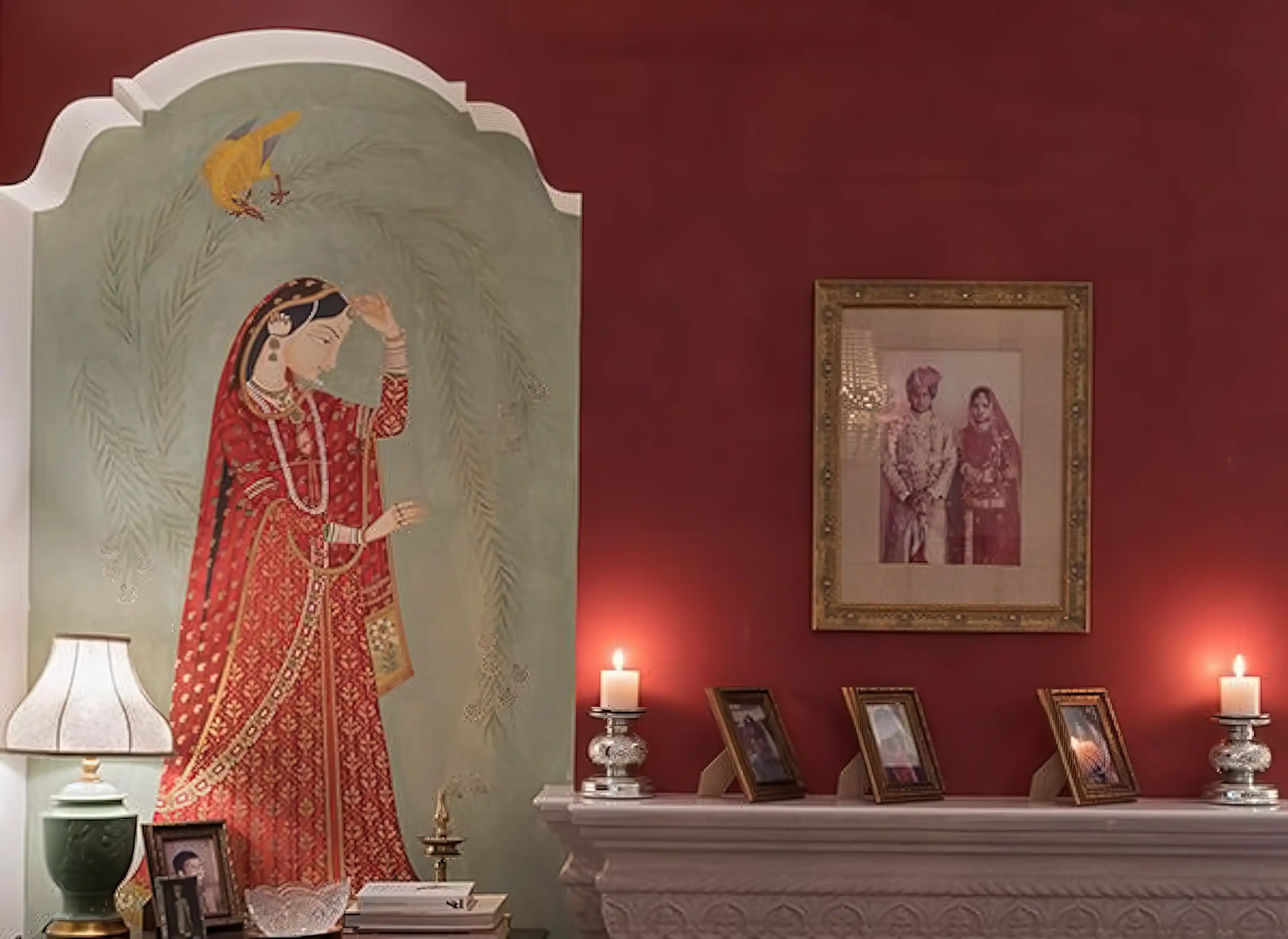
Walk into certain homes today, and you’ll see it immediately, or rather, you won’t.
No excessive branding. No obvious opulence. Instead:
hand-finished furniture, subtle textures, muted palettes, art chosen for feeling rather than resale value. The same logic now applies to wardrobes.
Clothes aren’t screaming anymore. They’re speaking softly, but clearly.
A perfectly cut kurta in an unbranded handloom.
A jacket whose luxury lies in how it sits on the shoulder.
Jewellery that feels inherited, not purchased.
Discretion has become the new status signal, because it assumes literacy.
Craft is no longer decorative; it’s structural
One of the biggest shifts I notice as a designer is how Indian consumers are engaging with craft.
Earlier, craft was surface-level: embroidery, embellishment, visible labour.
Today, craft is structural: weave, construction, finish, proportion.
People are asking different questions now.
Is this fabric breathable?
Will it age well?
Does this silhouette work across contexts?
Luxury is being measured not in how special something looks on day one, but in how well it survives real life.
That’s a very Indian way of thinking; practical, intuitive, grounded.
Why logos feel dated right now
Logos haven’t disappeared, but their power has diluted.
In a world where everyone has access to the same references, the same Instagram feeds, the same celebrity looks, obvious branding feels less aspirational and more performative. Almost insecure.
The new Indian luxury consumer understands that true exclusivity can’t be mass-recognised. It has to be felt. And feeling requires closeness, not spectacle.
Luxury is no longer a billboard.
It’s a whisper.
The India-first lens
What’s fascinating is that this shift isn’t about copying Europe or America.
India has always understood restraint, in architecture, in clothing, in ritual. The elegance of a white mundu. The power of a plain Benarasi border. The authority of a well-worn cotton sari.
What we’re seeing now is a return to that cultural intelligence, filtered through modern life.
Luxury today is not about looking global.
It’s about feeling anchored.
Retail is responding, quietly
Retail always follows behaviour.
Across categories, brands are investing more in fabric development than in embellishment. In fit over flash. In longevity over novelty.
Even pricing is being reframed. Customers aren’t just asking how much something costs, they’re asking why it costs what it does.
That shift alone changes everything.
When consumers start evaluating value instead of price, luxury stops being a category and becomes a mindset.
A different kind of aspiration
Perhaps the most telling change is emotional.
Luxury no longer represents arrival.
It represents ease.
Ease of movement.
Ease of choice.
Ease of living in your clothes instead of performing in them.
In a country that’s constantly negotiating chaos, traffic, weather, work, family, this kind of ease is deeply aspirational.
Luxury now is about making life smoother, not shinier.
So what is the new Indian luxury?
It’s not a logo.
It’s not a price point.
It’s not even a specific aesthetic.
It’s discernment.
The ability to choose well.
To recognise quality without needing it labelled.
To value restraint in a world obsessed with excess.
The new Indian luxury doesn’t need to announce itself.
It knows you’ll notice, eventually.
And if you don’t, that’s fine too.