
America’s online spaces are increasingly poisoned by a surge of anti-Indian hate, as revealed by a stark Network Contagion Research Institute (NCRI) analysis. This isn’t random bigotry; it’s a coordinated digital assault amplified by influencers and algorithms, threatening the fabric of immigrant communities and free discourse.
Anti-Indian posts on X nearly tripled in 2025 compared to 2024, totaling around 24,000 items that racked up over 300 million views. NCRI found these weren’t grassroots outbursts but driven by a handful of prolific accounts, like NeonWhiteCat, MattForney, and TheBrancaShow, responsible for over 10% of likes and 20% of reposts. Peaking in mid-December 2025, the vitriol spiked with slurs like “pajeet” and “dothead,” often tied to H-1B visa debates after the Trump administration’s $100,000 fraud-curbing fee.
🔍Inside the Online Anti-Indian Hate Factory.
— Prasiddha Sudhakar (@prasiddhaa_) March 11, 2026
In the last one year, Anti-Indian rhetoric has surged across social media. The @ncri_io team investigated & found:
– Anti-Indian content on X tripled in 2025 — 24,000+ posts were viewed over 300 million times
– Just 3 accounts… https://t.co/3GBOv7MHsv
A tiny cadre of posters dominates: three top accounts alone produced 525 posts amid policy shifts. Videos like an Indian couple dancing at the WWII Memorial in DC ignited fury, blending cultural outrage with calls to slash visas. This rhetoric paints Indians not as resource drains but as “too successful” job-stealers, despite their high median incomes and education levels, stereotypes that echo historical nativism.
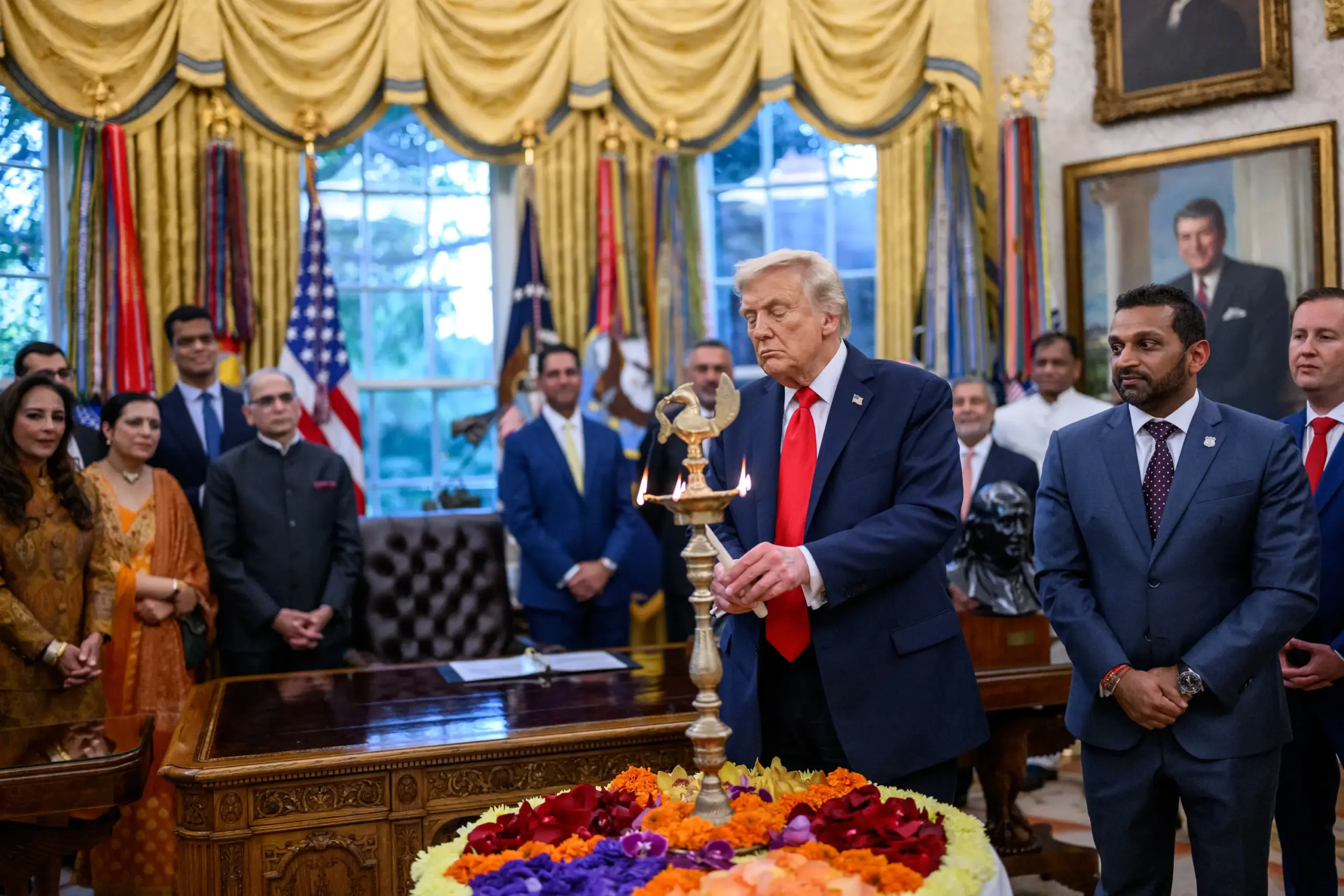
Even prominent Indian-Americans face the barrage. Usha Vance, the US Second Lady with Indian immigrant parents, drew over 2,000 hostile posts; Vice President JD Vance fired back bluntly against critics. FBI Director Kash Patel and DOJ Civil Rights head Harmeet Dhillon endured racist attacks. Dhillon called out “blatant racism and nativism” during the 2024 RNC. Indian conservatives like Utsav Sanduja warn that this erodes bipartisan support built over the years.
Platforms must act: curb algorithmic boosts for hate, verify influencer networks, and enforce transparency on high-view content. Policymakers should distinguish legitimate H-1B reforms from ethnic scapegoating. India, a key US ally in tech and defense, deserves better than slurs. America’s innovation edge relies on diverse talent, not division. Ignoring this “hate factory” risks offline escalation; confronting it upholds the nation’s immigrant-rooted ideals.

