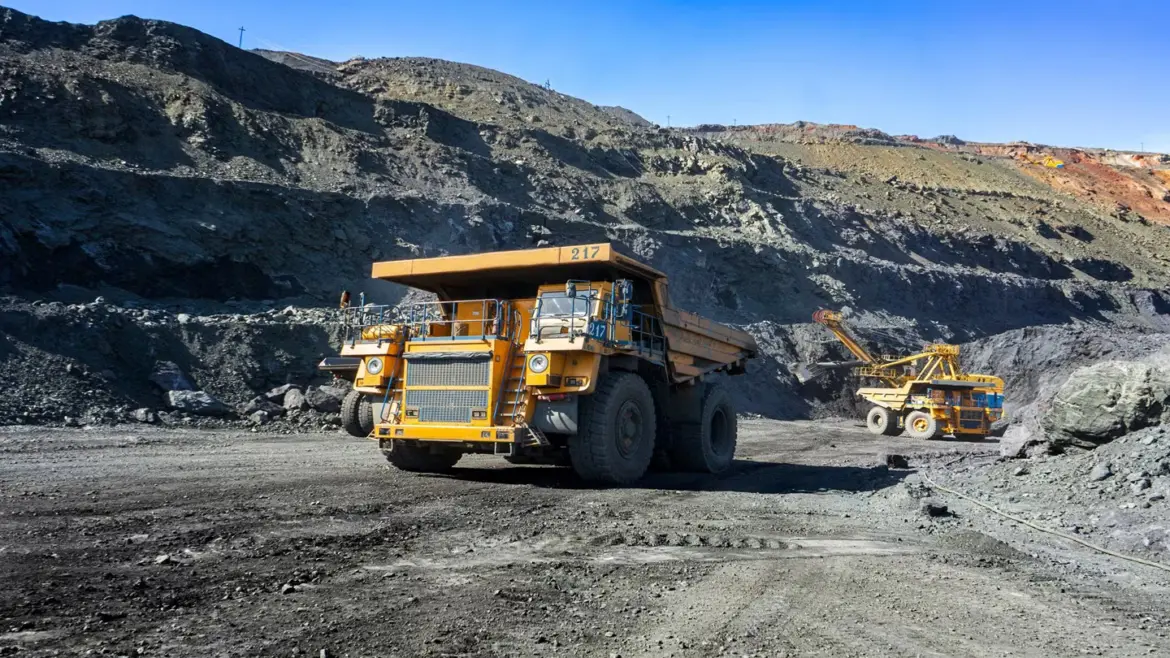
When Pakistan signed its minerals and mining deal with the United States, officials in Islamabad may have considered it an economic breakthrough, a way to court American capital and diversify alliances beyond Beijing. Yet, underneath the fanfare lies a grim reality grounded in the complex and violent history of Balochistan—a region that has persistently confounded grand development projects and foreign investors alike.
A History of Broken Promises
Balochistan, Pakistan’s largest and most mineral-rich province, is home to massive copper and gold reserves like those at Reko Diq and Saindak. Over decades, multinational corporations such as Barrick Gold and China Metallurgical Group have inked deals promising local development. Yet, the region remains one of Pakistan’s poorest and most disenfranchised, fueling deep distrust among the Baloch people.
Consider the Saindak copper-gold project, operated by Chinese interests for more than a decade. Despite significant extraction, locals report few improvements in basic infrastructure or employment prospects. The Reko Diq mine—one of the world’s largest copper-gold deposits—has been mired in disputes over revenue-sharing, with most benefits flowing to central authorities and foreign stakeholders, leaving Balochistan’s population feeling dispossessed and betrayed.
Violence and Resistance: Lessons from CPEC
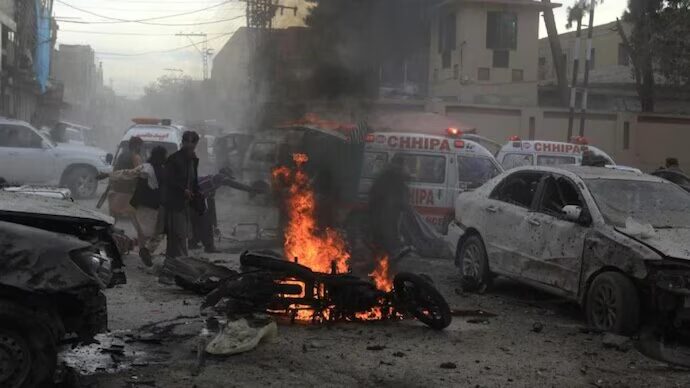
The China-Pakistan Economic Corridor (CPEC), a $60 billion initiative under Beijing’s Belt and Road, was intended to transform Pakistan’s infrastructure and economy. Yet, it has instead become a flashpoint for violence, particularly in Balochistan. Since 2021, attacks on Chinese nationals and CPEC infrastructure have escalated dramatically, with the Baloch Liberation Army (BLA) leading high-profile operations like the 2025 Jaffar Express train hijacking that killed 59 people and the ongoing bombings targeting CPEC transport and personnel.
Chinese projects that once faced boycotts and protests now contend with lethal attacks. The March 2025 incursion saw hundreds held hostage and prompted China to dispatch investigators, pressure Islamabad for improved security, and consider deploying private security companies. While Pakistan responded with new counterterrorism measures and joint investigations, basic infrastructure like secure roads and utilities in project areas remains incomplete or chronically delayed.
The US Approach—Will It Be Different?
The US, under President Donald Trump, announced moves to tap Pakistan’s oil and mineral wealth, seeking both economic returns and strategic leverage against Beijing’s global control of critical minerals. The Pentagon explicitly targets countering China’s monopoly over rare earths, vital for military technologies and drone fleets, as Washington seeks to shore up domestic capacity and diversify its sources of supply.
However, Pakistan’s proven oil reserves are relatively modest—somewhere between 234 million and 353 million barrels—hardly “massive” and certainly dwarfed by its neighbour India. This suggests the US’s true interest lies in critical minerals: copper, gold, and rare earths, much of which is embedded in the politically volatile soil of Balochistan.
Security Realities and Local Resistance
The Baloch people’s response to the US-Pakistan deal has been swift and clear. Local leaders like Mir Yar Baloch have branded it a “strategic mistake,” asserting it would empower Pakistan’s military and intelligence services and further marginalize Balochistan’s population. Instead of providing development, such deals risk channeling profits into state security budgets and, potentially, militant networks.
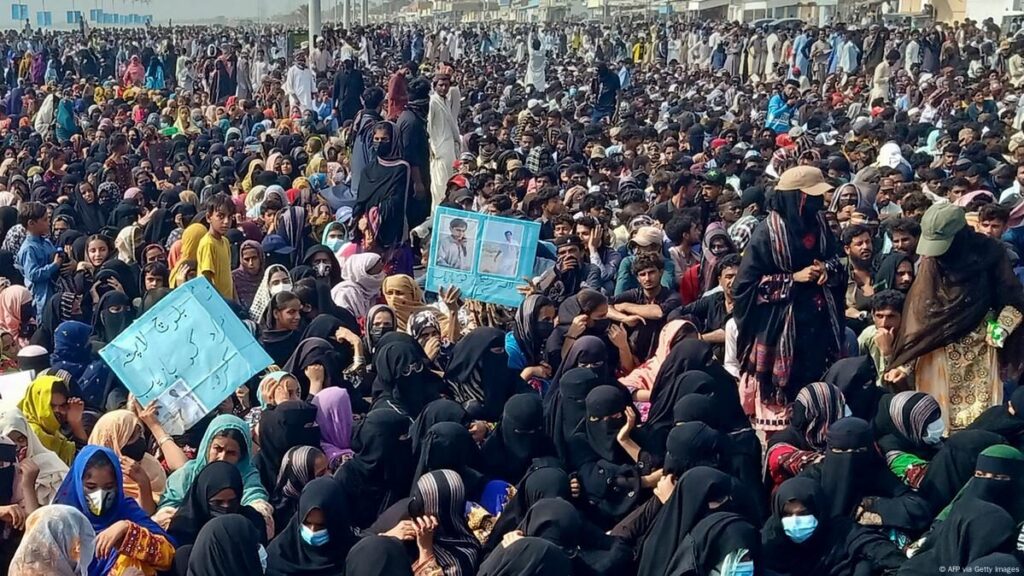
The region’s entrenched insurgency—led by groups like the BLA and fueled by grievances over resource dispossession—has shown little sign of abatement. Human rights advocates warn that militarization and economic exploitation have bred cycles of violence rather than peace. Since 2018, more than fifty militant attacks have targeted mining sites and related infrastructure, with truckers and workers frequently caught in the crossfire.
One analyst observed that foreign investment “ensures that Balochistan’s wealth benefits stakeholders rather than local communities,” highlighting the need for revenue-sharing, local employment, and infrastructure development to avoid perpetuating the sense of economic colonization. Yet, Pakistan’s legacy of ignoring these demands persists, and the pattern of exclusion continues.
Pakistan’s Financial Desperation
With its economy in tatters and heavy debt burdens, Islamabad is likely to accept any deal that offers short-term respite, regardless of its potentially destabilizing or counterproductive consequences. But these deals, struck without local consent or transparency, seem destined to repeat the mistakes of the past—stoking resentment and insurgency rather than creating lasting stability or prosperity.
Beyond Military Solutions: The Cost of Suppression
Pakistan’s army has tried to secure Chinese interests in Balochistan, but attacks and violence have only increased, rendering parts of CPEC projects useless and undermining investor confidence. Suppression, as history shows, simply drives resistance underground, making genuine development impossible.
As one human rights lawyer put it: “Pakistan may temporarily delay Balochistan’s quest for self-determination, but it can only do so at a high financial, moral, political, and reputational cost”.
Listening to Baloch Voices
For the United States, the lure of minerals and the promise of strategic advantages are strong. But if Washington does not learn from Beijing’s hard-earned experience and ensure projects address the grievances of the Baloch people, any new mining or oil venture is likely to descend into the same quagmire: violence, stalled infrastructure, and mounting resentment.
The lesson is clear. Security guarantees and military protection are no substitute for local consent and genuine participation. Until the people of Balochistan see real benefits from extraction deals, every foreign investment remains at risk, haunted by the ghosts of broken promises and the unfinished business of justice.