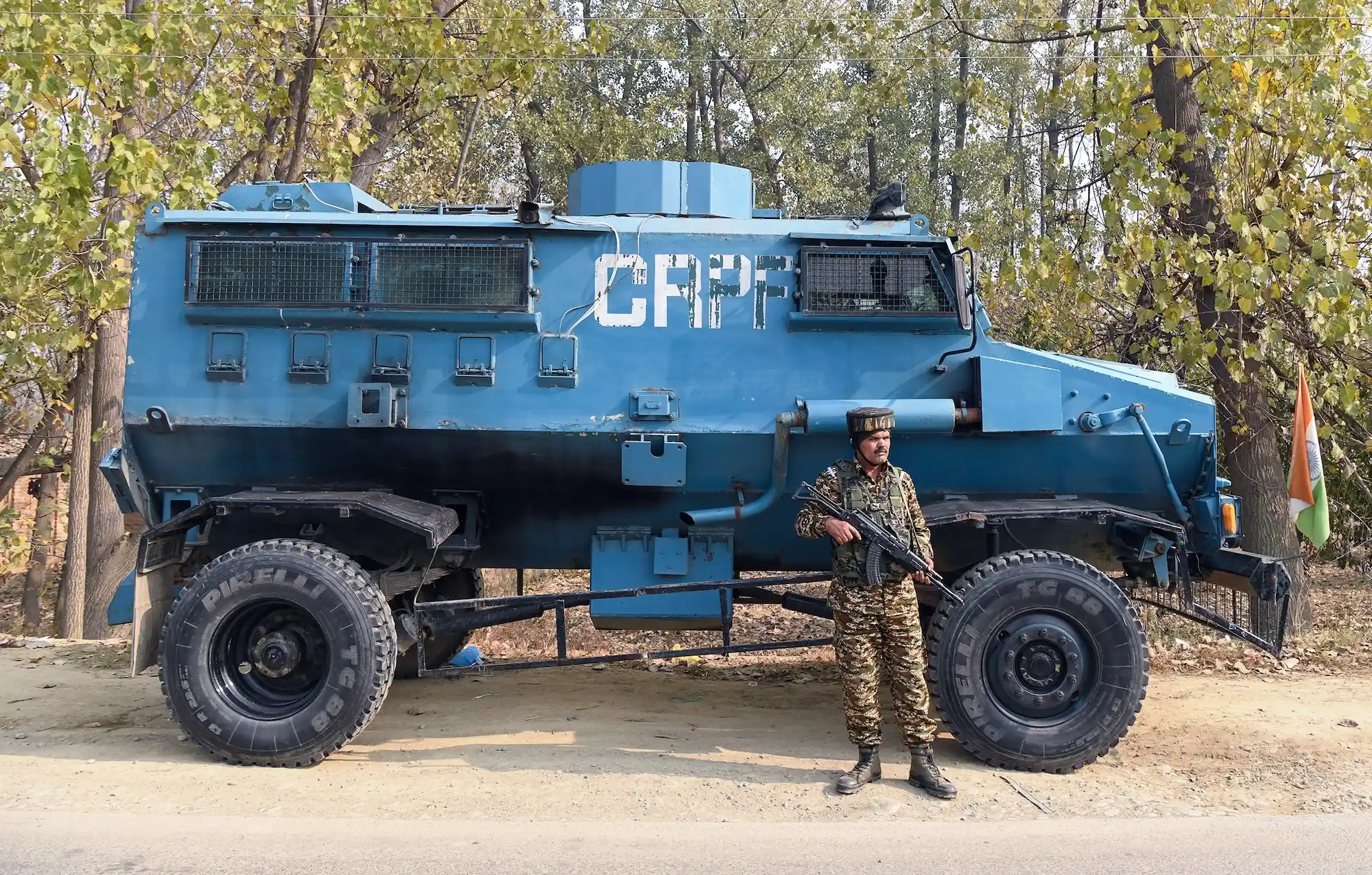
On the evening of November 10, 2025, a car bomb detonated near the Red Fort Metro station in Delhi, resulting in the deaths of at least 12 individuals and injuring many more. This blast, which struck at the historic core of India’s capital, served as a stark reminder of the changing nature of threats the country faces. Investigators quickly uncovered a disturbing new aspect: a “white-collar terror ecosystem,” with suspects traced back to Faridabad, Haryana. This attack was not orchestrated by typical street-level militants, but rather by professionals, including doctors and academics who utilised their scientific expertise and institutional connections to design and carry out the brutal assault.
Earlier in the day, authorities conducted an operation that dismantled a terror module, leading to the seizure of almost 2,900 kg of explosives, firearms, and timing devices in Faridabad, Haryana. Multiple individuals, including Dr. Umar Mohammad, were apprehended in relation to the explosion. The investigation uncovered that the suspects were part of a network comprising professionals affiliated with medical and academic institutions. The alarming trend of exploiting scientific knowledge and access to institutions for terrorist activities highlights the need for a reassessment of how these institutions monitor and report suspicious activities.
In recent months, India has experienced a concerning surge in what is being termed “white- collar terrorism,” involving highly educated professionals like doctors, engineers, and academics who are being recruited into terrorist networks. More than ten of these networks have been dismantled across various regions, including Jammu & Kashmir, Haryana, Uttar Pradesh, and the Delhi & NCR area. These modules operate secretly, utilising encrypted communication, academic and charitable fronts to finance their activities, and leveraging professional networks to evade detection. They have ties to banned organisations such as Jaish-e-Mohammad and Ansar Ghazwat-ul-Hind, believed to be controlled by foreign handlers based in Pakistan.
Notable recent arrests include several doctors and professionals linked to the Delhi blast that occurred in November 2025, along with significant seizures of explosives, firearms, and bomb-making materials, including over 2,900 kg of ammonium nitrate. Many of these individuals were discovered storing explosives in university labs and rented spaces, with intentions to carry out urban attacks. Some arrested doctors had connections to terror modules in Kashmir, with roles in the procurement, storage, and distribution of weapons and explosives, including harmful substances like ricin and ammonium nitrate. Investigations into their communications revealed coordination through encrypted apps and social media, with funds and supplies reportedly coming from Pakistan.
The Delhi blast was linked to this white-collar network, as a suspect’s vehicle was registered to a doctor involved with the same terror group. The government has categorised these incidents as “heinous terror attacks” and is actively engaged in multiagency investigations, conducting raids, and implementing surveillance to dismantle these networks. Experts caution that this type of extremism capitalises on scientific knowledge, professional credibility, and societal influence, rendering it a particularly sophisticated and perilous threat. This trend marks a troubling shift towards the infiltration of educated individuals into terrorist ecosystems, presenting a serious challenge to India’s security framework.
The very next day, on November 11, a suicide bomber detonated an explosive device outside the District Judicial Complex in Islamabad, resulting in 12 deaths and injuring over 30 people. The Pakistani government quickly blamed “India-sponsored terrorist proxies” for the attack, although no concrete evidence was presented. The Tehreek-e-Taliban Pakistan (TTP) claimed responsibility; however, the Pakistani narrative focused on foreign involvement, using the incident to garner domestic support and deflect criticism. In response, India dismissed these allegations as baseless and emphasised its determination to combat terrorism and bring the perpetrators of the Delhi blast to justice.
The 10/11 Delhi blast highlighted significant security lapses and procedural weaknesses that endangered India’s national safety. A major concern was the failure to share precise intelligence. While there was information available regarding Dr. Umar Mohammad and the Faridabad terror module, the Delhi Police lacked vital details such as the vehicle’s number, colour, and exact location, making it impossible to intercept the suspect in time. To improve this situation to better prevent potential threats.
Moreover, a lack of increased vigilance and adequate patrolling in the vicinity of the blast site permitted the bomber to remain unnoticed for several hours. Experts recommend that policing should be more focused, with resources allocated strategically, placing greater emphasis on anti-terror vigilance rather than on non-critical tasks such as crowd control or political security.
Another critical failure was the ineffective coordination and correlation of intelligence. Agencies did not successfully connect the seizure of large explosives in Faridabad with the potential threat posed in Delhi, largely due to poor inter-agency communication. It is vital to establish a centralised system for correlating intelligence and conducting joint operations to remedy these gaps. The overall police presence was lacking, partially due to officers being overextended with additional duties, which compromised their vigilance. There is a need to strengthen oversight within institutions, particularly in academic and medical settings, to ensure effective monitoring and prevent the misuse of their resources for terrorist activities.
Additionally, warnings and military alerts about possible major attacks in sensitive locations, such as the Red Fort, were not adequately addressed. Experts emphasised the importance of taking proactive steps, including enhancing public awareness and encouraging community involvement, to build a wider security network that motivates citizens to identify and report suspicious behaviour.
The tragic Delhi blast underscored India’s vulnerabilities while presenting an opportunity to bolster national security. It revealed the urgent need for a collaborative approach that involves all sectors of society, moving away from siloed thinking. Security must be a communal effort, empowering individuals to report suspicious activities and fostering transparency and accountability. India’s strategy against terrorism should be decisive yet rooted in justice, human rights, and social harmony. We need to build confidence in our collective ability to innovate and unite in the face of adversity.
By investing in technology, promoting inter-agency cooperation, and enhancing community engagement, India can set a global example. Our focus should shift from merely preventing attacks to cultivating a resilient and inclusive society ready to tackle challenges. The Delhi blast highlighted our shortcomings but also ignited a collective determination for improvement. With resolve and a shared vision, India can emerge stronger and more secure for future generations.