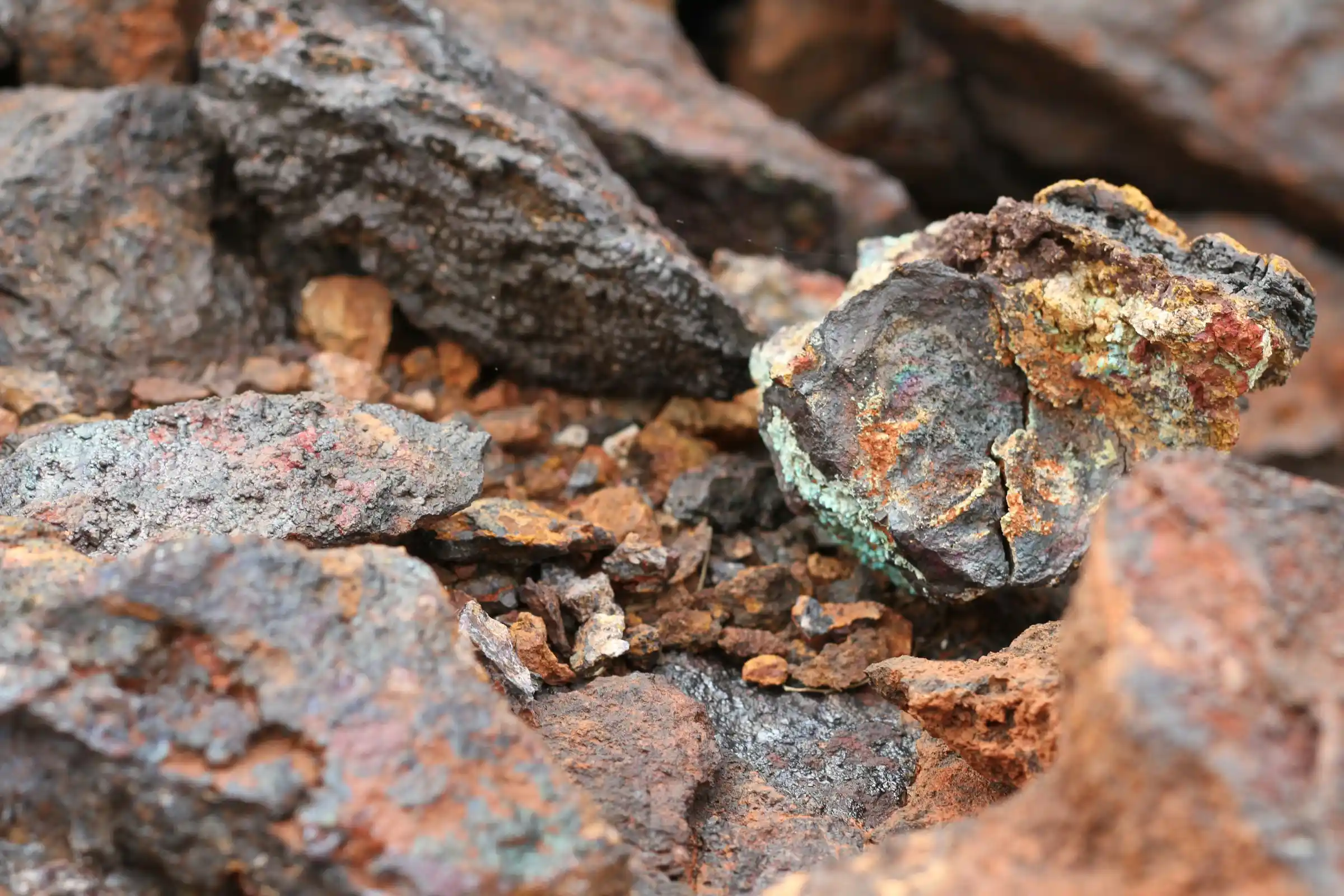
Critical minerals, such as lithium, cobalt, nickel, graphite, rare earth elements (REEs), and others, are indispensable for electric vehicles (EVs), renewable energy technologies, batteries, electronics, and defense systems. Global demand is surging due to the clean energy transition, with projections indicating multifold growth by 2040. However, supply chains remain highly concentrated, particularly in China, which dominates processing for over 90% of rare earths and graphite, nearly 80% of cobalt, and 70% of lithium chemicals (as of 2024 data from sources like the US Geological Survey and CEEW reports).
India, historically import-dependent and vulnerable to geopolitical risks and supply disruptions, has undergone a remarkable transformation in recent years. From near-total reliance on imports for key minerals like lithium, cobalt, and nickel (100% import dependence for at least 10 critical minerals), India is actively repositioning itself as a strategic player in diversified, rules-based global supply chains. This “leap forward” combines aggressive domestic reforms, international partnerships, and value-chain building to enhance resilience, support its net-zero by 2070 goal, and contribute to global de-risking efforts.
A cornerstone of this shift is the National Critical Mineral Mission (NCMM), launched in January 2025 with a seven-year outlay of ₹34,300 crore (approximately USD 4 billion) from FY 2024-25 to 2030-31. The mission includes ₹16,300 crore from the government and ₹18,000 crore expected from public sector undertakings. Key components target:
- Over 1,200 domestic exploration projects by the Geological Survey of India (GSI), with 195 projects in 2024-25 and 230 in 2025-26.
- Auctioning more than 100 critical mineral blocks (55 auctioned by late 2025, with 34 allocated, including to private players like Vedanta, securing 10 for cobalt, nickel, vanadium, graphite, etc.).
- Acquiring around 50 overseas mining assets.
- Establishing mineral processing parks (₹500 crore allocated), recycling capacity (targeting 270 kilotons per annum and recovering 40 kilotons), and stockpiles for priority minerals like lithium, cobalt, nickel, REEs, and graphite (initial ₹500 crore allocation for 60-100 days’ inventory).
India has identified 30 critical minerals, with 24 included in the Mines and Minerals (Development and Regulation) Act for the central auction authority. Offshore blocks for polymetallic nodules (containing cobalt, REEs, nickel, and manganese) have been auctioned, expanding potential sources.
Domestic reserves offer a foundation: India holds significant resources in graphite (over 21 million tonnes total resources), titanium (over 42 million tonnes), rare earths (around 460,000 tonnes), nickel (189 million tonnes ore), and others per the 2020 National Mineral Inventory. Production remains limited, e.g., graphite output was around 85,000-169,000 tonnes annually in recent years, but exploration intensification and private participation aim to scale this.
To reduce import dependence (imports of critical minerals rose sharply to over USD 8 billion in 2023-24 from USD 3 billion in 2020-21), India has pursued overseas acquisitions via Khanij Bidesh India Ltd. (KABIL) and PSUs. Examples include partnerships in Argentina, Chile (lithium exploration), Australia, and others for equity stakes or offtake agreements. Diplomatic efforts focus on low-risk partners such as Australia, Canada, and Finland to diversify.
India is forging alliances to shape global supply chains. It participates in the US-led Minerals Security Partnership (MSP) and has joined initiatives like Pax-Silica. Bilateral ties with the US, Australia, Japan, and others emphasize diversified, transparent chains. High-level engagements, including ministerial meetings in 2026, underscore India’s role in reducing reliance on dominant suppliers like China (which supplied 80%+ of India’s REEs and high shares of lithium, graphite, etc.). The Union Budget 2026 reinforced this with Rare Earth Corridors in states like Odisha, Kerala, Andhra Pradesh, and Tamil Nadu, tax incentives for processing, and support for the Rare Earth Permanent Magnet Scheme (launched November 2025).
This strategy shifts India from a passive importer to an active shaper of resilient supply chains. By building processing capabilities (leveraging expertise in base metals like aluminum, copper, zinc), promoting circularity, and aligning with global de-risking, India positions itself as a hub for clean energy manufacturing and a credible alternative in fragmented geopolitics. Analysts note this could reduce import reliance to 50% by 2035 while enhancing energy security and industrial competitiveness.