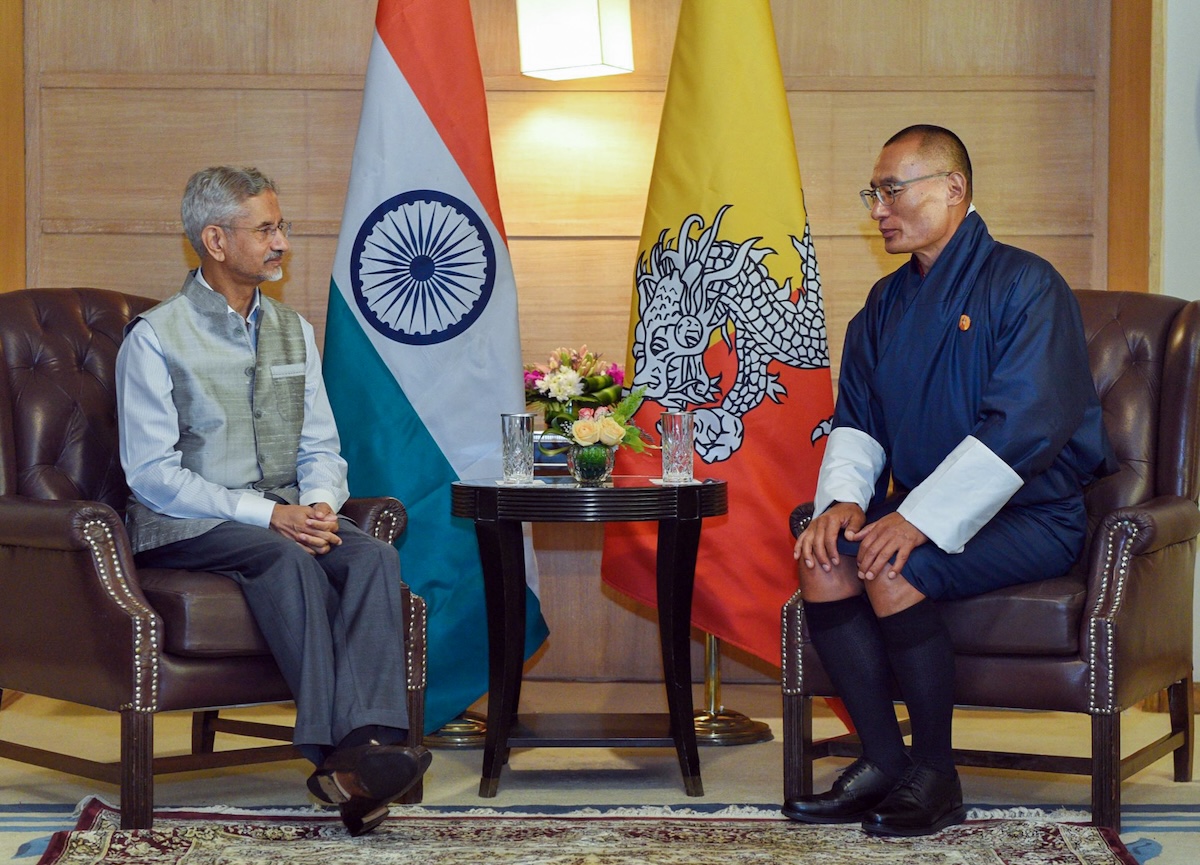
India and Bhutan have deepened their already strong, time-tested partnership in 2024–2025 through a series of significant political, economic, connectivity, and cultural initiatives, as highlighted during the recent official visit of Bhutanese Prime Minister Tshering Tobgay to India and Indian EAM Jaishankar’s remarks. These developments reinforce bilateral trust, mutual benefit, and a shared vision for regional prosperity.
Recent High-Level Engagements
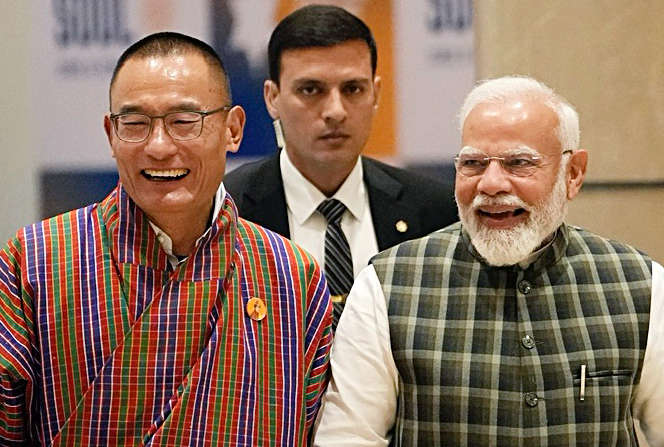
Regular official exchanges, including PM Tobgay’s state visits and interactions with Indian leadership such as Prime Minister Modi, the President of India, and the External Affairs Minister, signal the high importance both nations place on their relationship. These engagements consolidate coordination on security, trade, culture, and regional issues, cementing the foundation for future cooperation.
Enhanced Development Cooperation
India remains Bhutan’s largest partner in socio-economic development:
- India pledged ₹10,000 crore for Bhutan’s 13th Five Year Plan (2024–2029), covering infrastructure, high-impact community projects, economic stimulus, and program grants.
- The two sides jointly approved 10 new Project Tied Assistance (PTA) initiatives spanning healthcare, connectivity, urban infrastructure, and livestock, building on a legacy of over 61 PTA and 283 community projects already underway.
- Targeted support has enabled Bhutan’s transition from Least Developed Country (LDC) status and underpinned implementation of the 12th and 13th Five Year Plans.
Connectivity and Trade Initiatives
India and Bhutan are advancing cross-border road, rail, and digital connectivity to catalyze commerce and people-to-people movement:
- Two new railway links—Banarhat (West Bengal)–Samtse and Kokrajhar (Assam)–Gelephu—are under final surveys, promising to transform logistical integration.
- Immigration and trade infrastructure upgrades and the opening of new border-connected trade and transit routes aim to facilitate third-country tourism and bolster regional integration.
- Initiatives for digital connectivity and logistics modernize long-standing economic interdependence and make bilateral trade more robust and future-ready.
Energy Partnership Expansion
Hydropower remains central, but the dynamic is being expanded into solar, wind, hydrogen, and green mobility:
- Both countries reaffirmed their commitment to new hydropower projects, including accelerated timelines for the commissioning of the 1020 MW Punatshangchhu-II plant.
- A strategic move to non-hydro renewables, e-mobility, and green hydrogen reflects a shared vision for sustainable, climate-friendly growth.
Investment in Human Capital
Indian development assistance is directly boosting Bhutan’s future through:
- Concessionary financing for GyalSung, Bhutan’s National Service Program, fostering youth skill-building and leadership.
- Additional scholarships, medical seats, and collaborative education programs, especially in STEM, to empower Bhutanese students.
- Support for sports infrastructure, cultural preservation, and increased people-to-people exchanges to nurture the special relationship from the grassroots.
Technological and Sectoral Collaboration
- Moves towards joint ventures in space technology (notably, ISRO’s capacity-building in remote sensing for Bhutanese officials) and digital innovation are opening new frontiers.
- Both governments see collaboration in start-ups, e-governance, capacity development, and cross-border investments as vehicles to ensure resilience and shared prosperity.
Cultural and Spiritual Links
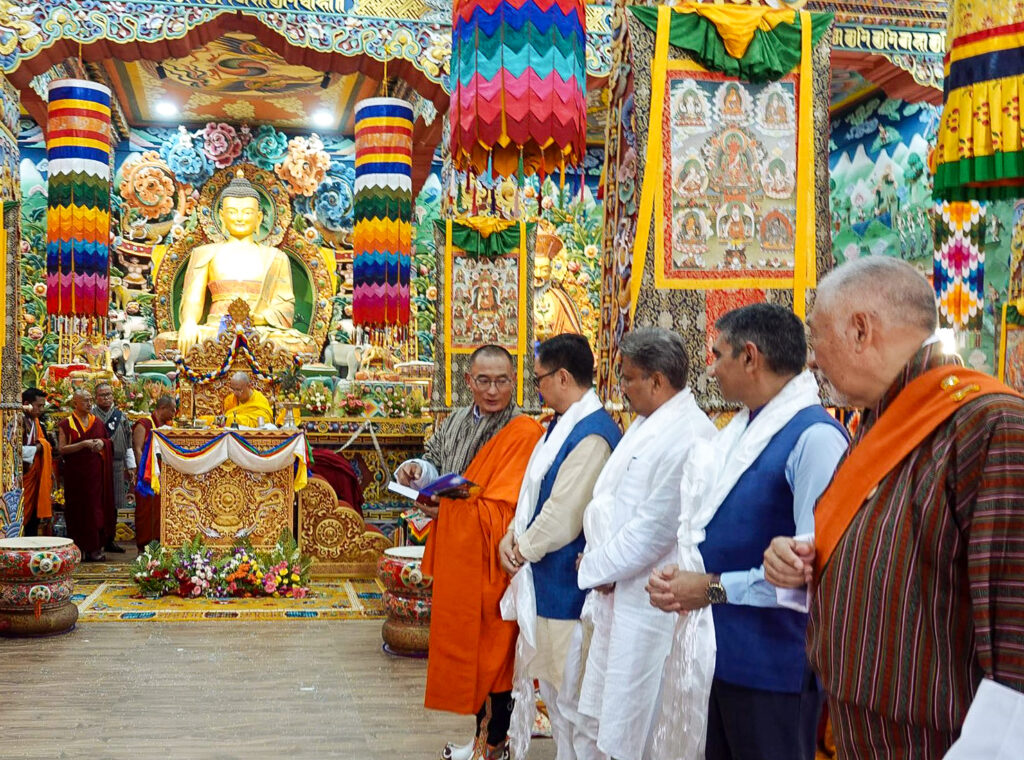
- High-level visits have often included events highlighting shared Buddhist heritage, temple consecrations, and cultural programs, reflecting deep civilizational ties.
- Bhutanese leaders visiting key religious places in India and vice versa continue to foster mutual goodwill.
Geopolitical and Security Dimensions
- At the strategic level, New Delhi and Thimphu reaffirmed their coordination on regional and border security, with regular consultations between national security advisors.
- Both continue to express satisfaction with the “unique civilizational and historical ties of friendship,” which serve as stabilizing factors in the region.
In summary, recent developments—from substantial development packages and expanded infrastructure projects to sectoral innovation and cultural diplomacy—demonstrate India and Bhutan’s active efforts to move their enduring partnership from strength to strength. Bilateral ties are now not only resilient and deep-rooted but also adaptive to new challenges and opportunities—making the India-Bhutan relationship a unique model in South Asian diplomacy.