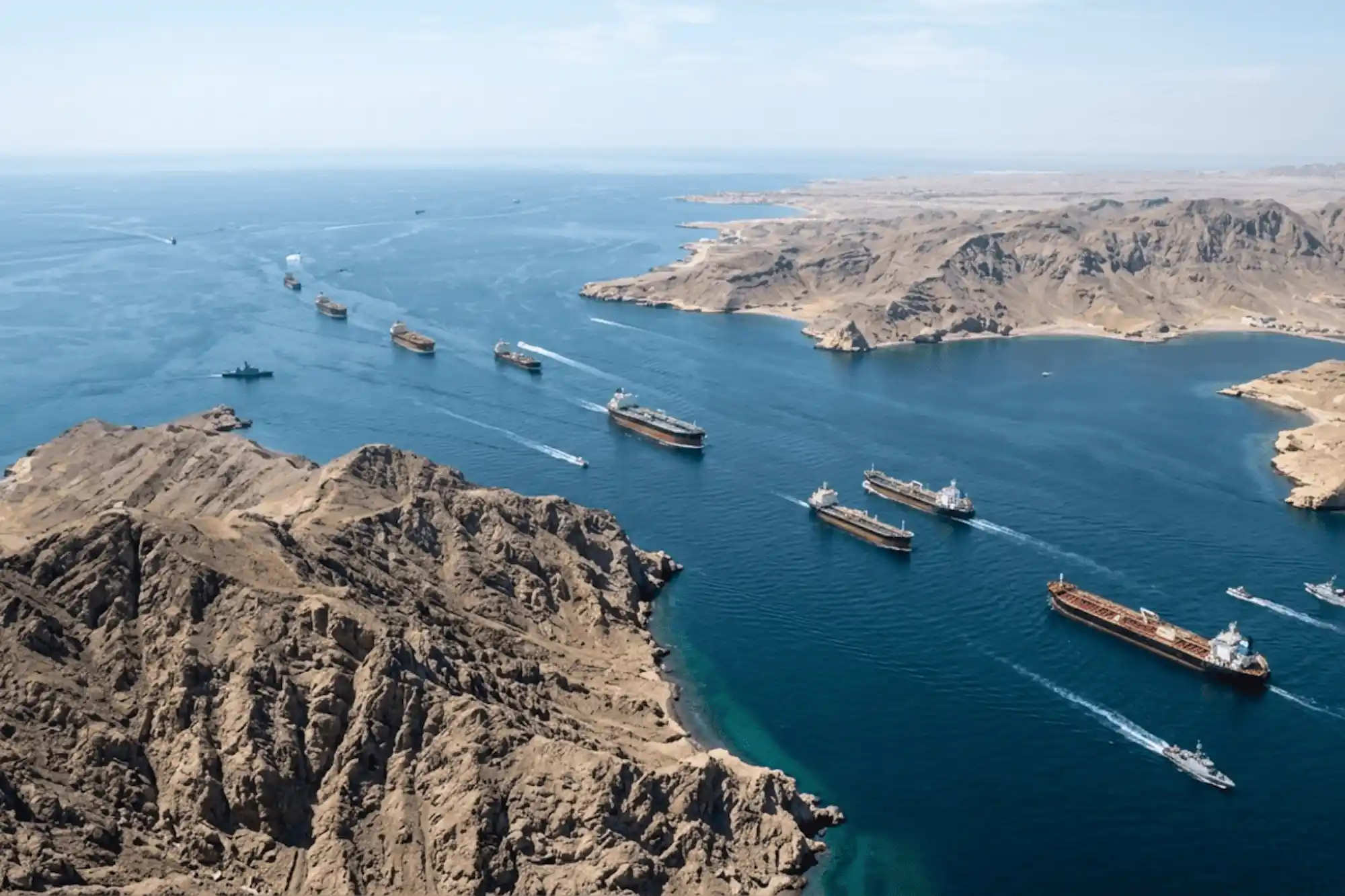
The contemporary crisis in West Asia has once again revealed the structural vulnerability of global energy flows and maritime trade routes. For India, whose economic growth remains deeply intertwined with energy imports and uninterrupted maritime commerce, the geopolitical instability of West Asia presents not only a strategic challenge but also a financial one. A critical but less-examined dimension lies in the insurance markets that underpin maritime trade. War-risk insurance, freight risk premiums, and maritime liability coverage have become significant factors shaping the movement of tankers and cargo ships across critical chokepoints such as the Strait of Hormuz and the Red Sea. Recent conflict in West Asia clearly shows how the economic consequences of regional conflict increasingly exhibit through insurance markets before physical disruptions occur. Escalating tensions in the Persian Gulf have caused insurance agencies to cancel or dramatically reprice coverage for vessels operating in the region, pushing war-risk premiums of a ship’s value to around one percent or higher. These changes translate into millions of dollars as additional costs for a single trip. As a result, the economics of maritime transit through conflict zones are rapidly shifting, affecting energy supply chains that countries such as India depend upon. Understanding India’s strategic interests in the West Asian crisis, therefore, requires examining not only the geopolitics of oil but also the political economy of maritime risk and insurance markets.
Maritime Chokepoints and India’s Energy Dependence
West Asia remains central to India’s energy security architecture. A large share of India’s crude oil and gas imports originates from Gulf producers such as Saudi Arabia, Iraq, the United Arab Emirates (UAE), and Kuwait. Much of this oil & gas imports pass through the Strait of Hormuz, one of the world’s most critical chokepoints. The Strait handles roughly 20 million barrels of oil per day, i.e., about one-fifth of global oil consumption and seaborne trade. India’s exposure is particularly significant. Around 40 percent of India’s crude imports transit through the Strait of Hormuz, making the country acutely vulnerable to disruptions in the West Asian maritime corridors. Even short-term disruptions could trigger price volatility, logistical delays, and inflationary pressures in domestic energy markets. Yet the risk landscape does not end at the vulnerabilities of maritime chokepoints. The Red Sea and the Bab-el-Mandeb Strait, which connect the Gulf region to European markets via the Suez Canal, represent another crucial artery for global trade. Attacks on commercial shipping by regional actors have already disrupted maritime traffic and raised concerns about the security of global supply chains. These chokepoints demonstrate how geography shapes energy security. But in the modern global economy, risk perception in terms of ‘insurance pricing’ can also be as disruptive as actual blockades or attacks.
The Insurance Dimension of Maritime Risk
Marine insurance represents a foundational pillar of global trade. Without insurance coverage, shipowners cannot operate vessels, cargo owners cannot protect their goods, and banks cannot finance shipments. As geopolitical tensions escalate, insurers reclassify maritime zones as “war risk areas,” triggering sharp increases in premiums or even the withdrawal of coverage.
The recent West Asian crisis has demonstrated how rapidly insurance markets respond to conflict. Following attacks on commercial vessels and rising tensions between regional powers, several major marine insurers cancelled the war-risk coverage for ships operating in the Persian Gulf region. With several vessels stranded near the Strait of Hormuz during the escalation, the immediate effect was a sharp slowdown in maritime traffic. Premiums have risen dramatically. War-risk insurance costs have surged from approximately 0.25 percent of a ship’s value to over 0.5 percent, depending on the vessel and route. For large oil tankers valued at tens of millions of dollars, this translates into additional voyage costs in the hundreds of thousands of dollars. In extreme cases, insurers may demand very inflated premiums of a vessel’s value, particularly for ships linked to countries involved in the conflict. So, the implications are significant. Even when shipping routes remain technically open, rising insurance costs can render maritime trade economically unrealistic. In effect, insurance markets can create “de facto closures” of strategic maritime routes without the need for formal blockades.
Insurance as a Strategic Variable in Energy Security
The central lesson emerging from the current crisis in West Asia is that energy security is increasingly shaped by financial risk markets rather than purely physical supply disruptions. Insurance markets function as early indicators of geopolitical risk and can amplify the economic impact of regional conflicts. When insurers raise premiums or withdraw coverage, shipping companies face three choices: i.e., pay higher costs, reroute vessels, or suspend operations. Each of these options affects global energy markets. Higher premiums raise the delivered cost of oil and gas. Rerouting increases transit times and reduces shipping capacity. Suspended operations create immediate supply shortages. For energy-importing countries like India, these dynamics translate into price volatility and strategic uncertainty. Oil prices often respond quickly to perceived risks in maritime transit routes. During recent tensions, crude prices surged amid fears of disruption in the Strait of Hormuz, highlighting the sensitivity of energy markets to geopolitical risk.
India’s Strategic Vulnerability
India’s strategic exposure to maritime risk arises from three structural factors: energy dependence, heavy reliance on sea-borne trade, and the absence of viable alternative transport routes. A large share of India’s oil and gas imports originates in West Asia, making the stability of Gulf shipping lanes critical to the country’s energy security. At the same time, more than 90 percent of India’s trade by volume moves through maritime routes, meaning that disruptions in sea lanes directly affect the country’s economic stability. The geographic realities of global energy transport further intensify this vulnerability. The Strait of Hormuz remains one of the most important chokepoints for global hydrocarbon flows, and alternatives to bypass it remain limited. Although some Gulf producers can export oil through pipelines to the Red Sea or other terminals, these routes possess insufficient capacity to replace maritime exports passing through the strait. Consequently, any disruption in Hormuz continues to expose energy-importing states such as India to supply shocks and logistical uncertainty.
The insurance dimension significantly compounds this vulnerability. Escalating tensions and attacks on vessels in the Persian Gulf have led international maritime insurers to designate parts of the region as high-risk zones. As a result, war-risk premiums for ships transiting through these waters have risen sharply. Tanker operators and shipping companies must now bear higher insurance costs to cover potential threats such as missile strikes, drone attacks, or vessel seizures. These costs inevitably filter through the supply chain, increasing freight charges and eventually affecting domestic fuel prices, transportation costs, and inflation within India.
The implications extend beyond energy imports. West Asia functions as a major logistical hub connecting India with markets in Europe, Africa, and the Mediterranean. Regional ports—particularly transshipment centres such as Dubai’s Jebel Ali—play a crucial role in facilitating the movement of Indian exports and imports. Disruptions in Gulf shipping, therefore, affect not only hydrocarbon flows but also container traffic, fertilizer imports, and petrochemical trade. As insurance premiums increase, freight rates tend to rise accordingly, raising the overall cost of global supply chain operations linked to India.
Prolonged instability could also produce structural shifts in maritime commerce. Shipping companies may increasingly adjust routes to avoid conflict-prone waters, even if this lengthens transit times and raises operational costs. Insurers may also maintain elevated risk premiums for extended periods, embedding higher costs into international shipping networks. For India, such developments would have long-term implications for trade competitiveness and supply chain efficiency. The ongoing conflict in West Asia, therefore, highlights the extent to which geopolitical instability in critical maritime chokepoints can directly affect India’s energy security, commercial shipping, and broader economic resilience.
The current West Asian crisis illustrates a critical transformation in the nature of energy security. In an interconnected global economy, disruptions in maritime insurance markets can shape the movement of energy supplies as decisively as military conflict or physical blockades. Rising war-risk premiums, cancelled insurance policies, and the reclassification of maritime zones as high-risk areas have already begun to alter shipping patterns across the Gulf and the Red Sea. For India, these developments highlight a fundamental strategic challenge. India’s economic trajectory depends on stable energy imports and secure maritime trade routes that pass through some of the world’s most volatile regions. The insurance shock generated by the current crisis demonstrates that vulnerabilities lie not only in physical chokepoints but also in the financial infrastructure that enables global shipping. As geopolitical tensions continue to reshape the West Asian landscape, India’s strategic planning will increasingly need to incorporate the economics of maritime risk.