The escalating India-US tariff dispute marks a significant juncture in global trade dynamics. The US imposing a 50% tariff on key Indian exports represents the usage of economic coercion as a geopolitical tool. This move illustrates the growing willingness of the powerful states to weaponize trade as a strategic objective. India’s firm rejection anchors its orientation towards economic sovereignty, even if it means sacrificing short-term economic gains.
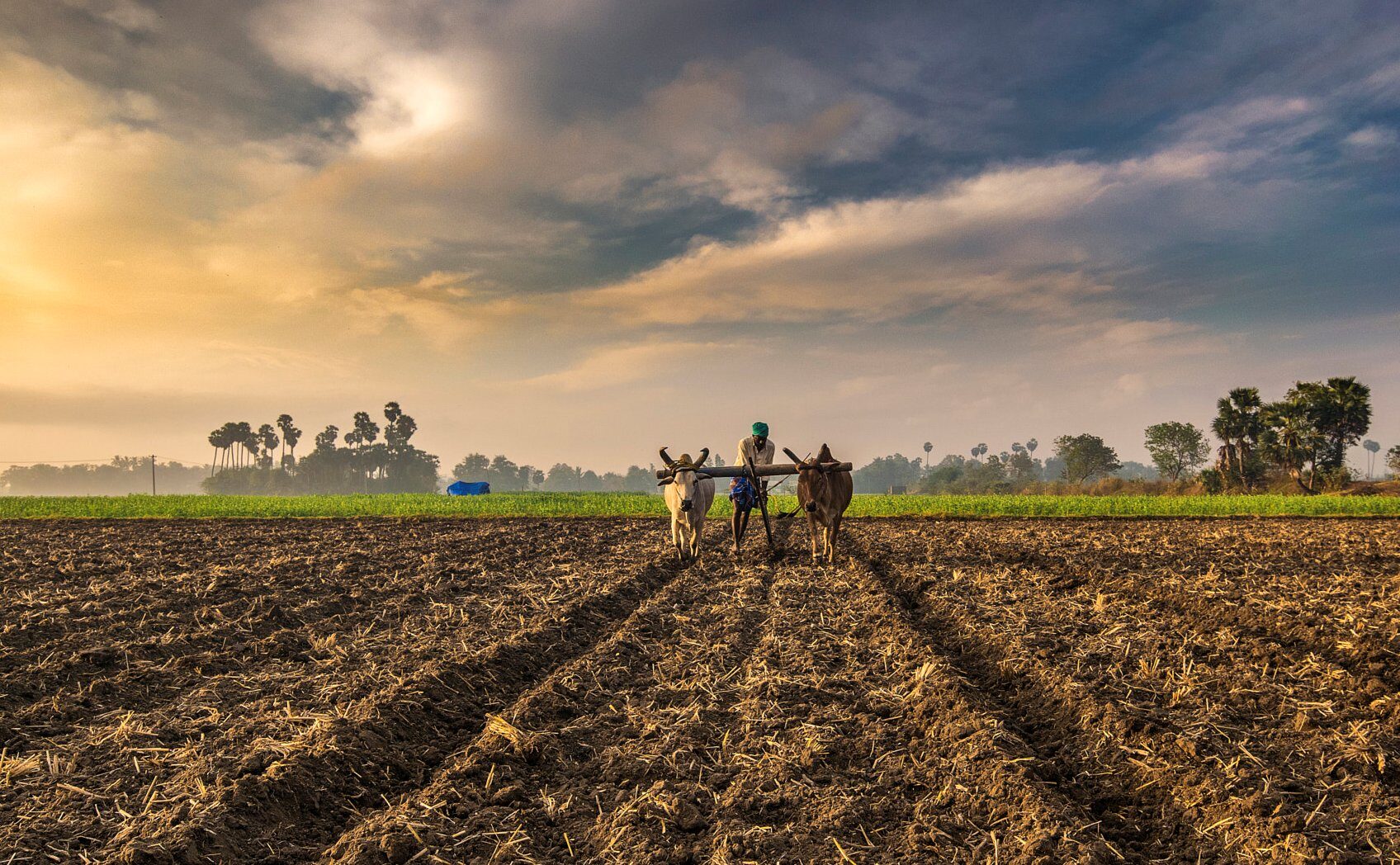
At the heart of India’s resistance is to safeguard its agricultural sector, as millions of rural livelihoods are dependent upon it. As agriculture supports small-scale and marginal farmers, lowering tariffs on agricultural imports such as fisheries, dairy products, and genetically modified crops will largely affect rural incomes, increase market monopolization, and destabilize social cohesion. The way India has adopted a protectionist approach is more than economic prudence—it is a strategy to maintain social stability, food security, employment, and rural welfare, which are essential for India’s national development.
Apart from agriculture, the tariffs will hit other key industries, which include textiles, garments, gems, jewellery, and auto parts, as they rely on the US market. With such scenarios, there has been a prediction that export contractions will reduce growth and threaten the job market, likely to reduce India’s medium-term GDP growth rate by 0.6-0.12 percent. It seems that regional exporters such as Bangladesh and Vietnam will benefit as India faces the punitive costs. Despite being faced with this situation, India has adopted a strategy to not depend on one market, but make a more resilient approach by diversifying its trade partnerships in a multipolar world order. It has expanded ties with the UK, the European Union, ASEAN, and the Global South coalitions, including BRICS and SCO. Modi’s attendance at the SCO Summit will also signify a vital shift in India’s foreign policy.
India is not responding only through public statements but is also legally challenging the US tariffs through the World Trade Organization (WTO). Here, India is uploading its commitment to the principle of rule-based international trade, contesting what it considers to be unlawful and unilateral punitive measures by the US. This legal avenue pushes India’s alignment with other countries advocating fairness in global commerce without bowing to coercive tactics. To hold its firm stance in this dispute, India employs the strategy of protecting its agriculture and energy policies and building vigorous expansion of trade partnerships beyond the US. It is also promoting rupee-based trade settlement, thus adding an extra edge to economic security. This mix of diplomatic and legal approaches aims to enhance economic resilience by maintaining flexibility in trade relations and refusing to bow to external economic pressure when it conflicts with domestic priorities.
The long-term consequence of the 50% US tariff will be felt in industries’ slower growth, job losses, imposed GDP losses, and reorienting India to rethink its trade and economic strategy. This situation accelerates diversification, strengthening legal assertiveness in global trade governance and underscores its commitment to control its own economic destiny. This posture shifts the India-US relationship into one of complexity, contestation, and sovereignty-focused engagement rather than unbridled market integration.
India’s firm stance delivers an important message for other developing countries confronting the challenges of globalization and trade weaponization. Instead of short-term gains, economic openness must be based on balancing against the imperatives of social cohesion, rural welfare, and sovereign decision-making. India’s model of blending protection, diversification, and institutional engagement offers a valuable model for emerging economies.
India’s resolute refusal to succumb to US tariff pressure is not just reactive anger or reactionary nationalism but a careful judgment grounded in complex economic realities. By navigating a path that balances legal avenues, diplomatic outreach, and domestic protections, India is building a less Washington-centric and more multipolar global trade environment. This episode not only charts a new course for India’s evolving trade policy but also signals a broader shift in how emerging powers assert and construct economic sovereignty in global economic affairs.