The India-U.S. trade deal, announced in February 2026, missed its April deadline due to Trump administration tariff unpredictability. Commerce Secretary Rajesh Agrawal says New Delhi awaits a stable U.S. tariff regime. Instead, Washington has launched Section 301 investigations targeting India’s core export sectors and technological ambitions.
A Deal Delayed, Pressure Intensified
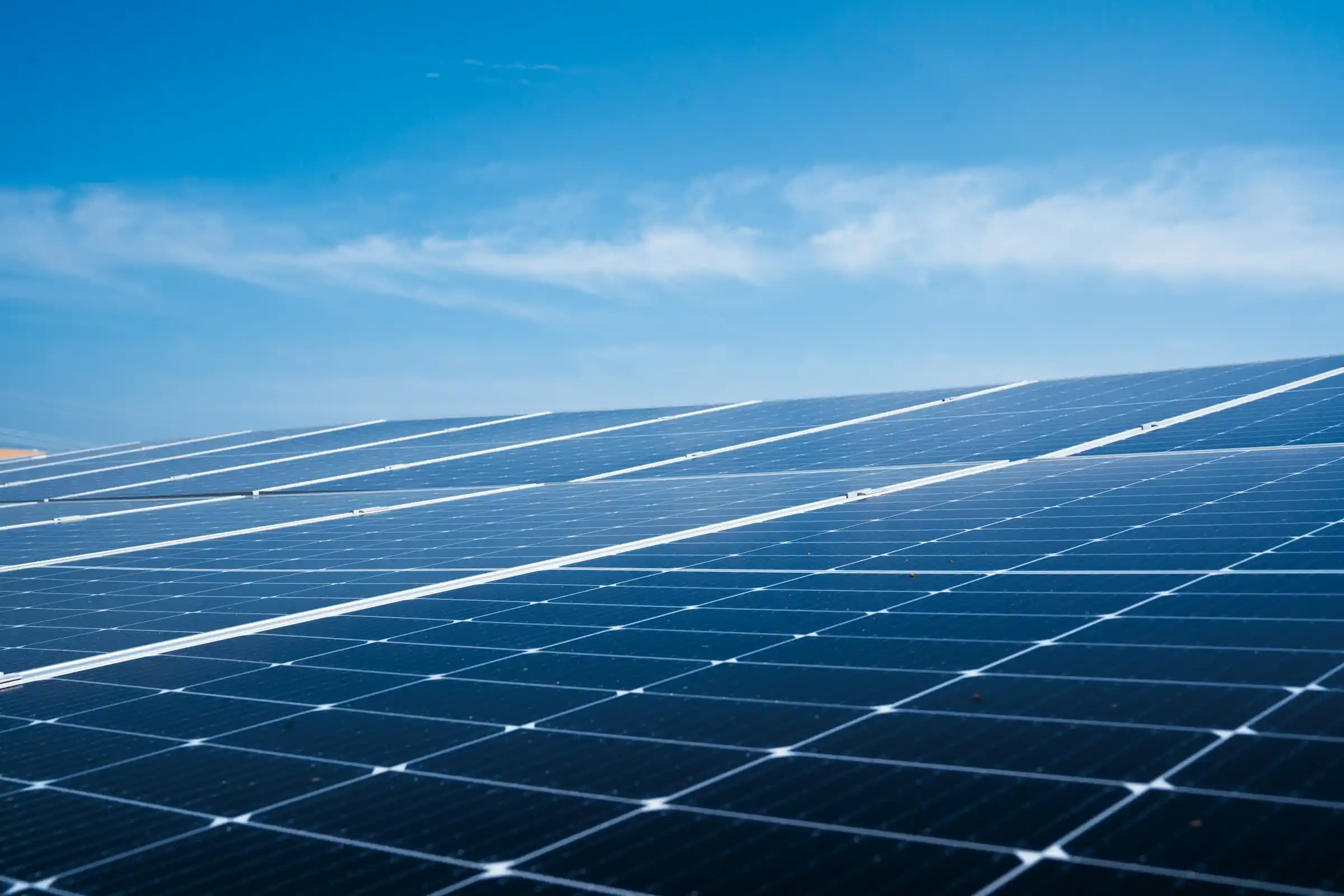
Under Section 301 of the Trade Act of 1974, U.S. authorities have the power to impose tariffs, restrict imports and suspend trade concessions. These investigations also establish a framework for the application of secondary sanctions. For Indian exporters, this raises the prospect of increased inspections, more stringent compliance requirements and potential supply chain disruption. The sectors targeted are solar modules, pharmaceuticals, steel, and textiles. These represent some of India’s most sensitive export industries. Solar manufacturing, in particular, has attracted sustained scrutiny. U.S. officials have argued that India’s renewable energy manufacturing capacity significantly exceeds domestic demand and that this surplus could contribute to global market distortions.
India’s position in the solar sector highlights its competitive strengths and vulnerability to policy changes. The United States remains an important market for India, accounting for a significant proportion of its solar panel exports, worth over $792 million. Indian-produced panels are generally 19-21% cheaper than those manufactured domestically in the United States, which has helped to increase India’s involvement in utility-scale projects. Between 2022 and 2024, India’s share of U.S. solar imports increased from around 3% to 11%. However, this trajectory was interrupted in February 2026 when the U.S. Department of Commerce imposed preliminary countervailing duties of 126% on Indian solar cells, effectively constraining access to the market. The ongoing investigation introduces further uncertainty regarding future export prospects.
Powering the Future
The importance of the solar sector goes far beyond trade. It is closely linked to India’s strategy of expanding its digital economy and artificial intelligence capabilities. A parliamentary report from March 2026 estimated that India’s data centres currently consume around 1020 megawatts of power. Demand is expected to double within two years, potentially reaching 4000-5000 megawatts within five years. As S. Krishnan has observed, a reliable energy supply is essential for computing infrastructure, advanced models and data systems. Without adequate power capacity, further technological development is constrained. Renewable energy capacity is projected to increase from 45 to 95 gigawatts by 2027, supported by roughly $14 billion of capital investment, with the private sector playing a leading role.
Targeting the Largest Players
Adani Green Energy and Reliance New Energy occupy central positions among these firms. Adani Green Energy added 5051 megawatts of capacity in the 2026 financial year, increasing its operational portfolio to 19.3 gigawatts. The company’s Khavda project in Gujarat, which is said to be one of the world’s largest renewable energy developments, is expected to reach 30 gigawatts by 2030. Meanwhile, Reliance Industries is developing an integrated solar manufacturing chain, from polysilicon to modules, in Jamnagar with a projected production capacity of 20 gigawatts. It also has identified the potential to host 125-150 gigawatts of solar capacity at its 550000-acre site in Kutch. These companies are major industrial players and key components of India’s long-term energy and technology strategy.
Corporate Influence as a Diplomatic Tool
Their prominence has also made them the focus of regulatory and political attention. The Adani Group, led by Gautam Adani, has had long-standing ties with Prime Minister Narendra Modi. The group has been under sustained U.S. scrutiny for several years. In 2023, Hindenburg Research published allegations of financial misconduct, which the group denied. In 2024, U.S. authorities initiated a separate case alleging bribery in relation to solar contracts, which the company has also denied. In November 2025, the New York Times noted that Adani had “risen to the heights of power alongside Mr Modi” and that the two had “cooperated closely for decades”. More recently still, the U.S. Treasury has examined whether entities linked to Adani engaged in transactions involving sanctioned energy supplies. These actions have often coincided with broader phases of U.S.-India economic engagement, suggesting a pattern of continued regulatory attention.
A similar trend can be seen with Mukesh Ambani and Reliance. In response to sanctions and tariff risks, the company has reduced its exposure to Russian crude oil and increased its imports of US oil, including West Texas Intermediate supplies for its Jamnagar refinery. Reliance has also won licences to import Venezuelan crude under U.S. regulatory oversight. Despite these changes, Reliance remains under scrutiny, with US authorities reviewing aspects of its international energy transactions for compliance.
Leverage Through Markets
The opposition has repeatedly alleged that these ties create a conflict of interest. In August 2025 Rahul Gandhi charged that Modi’s reluctance to confront U.S. tariff threats stemmed from a fear of exposing “financial links” with business elites. Although these allegations originate from political opponents and are denied by the government, they reflect an existing political discourse that U.S. authorities can exploit. Washington may be seeking to exert influence through channels beyond formal diplomatic engagement. The idea is that putting pressure on business leaders with direct access to the Prime Minister will result in a quicker response than traditional diplomatic demarches.