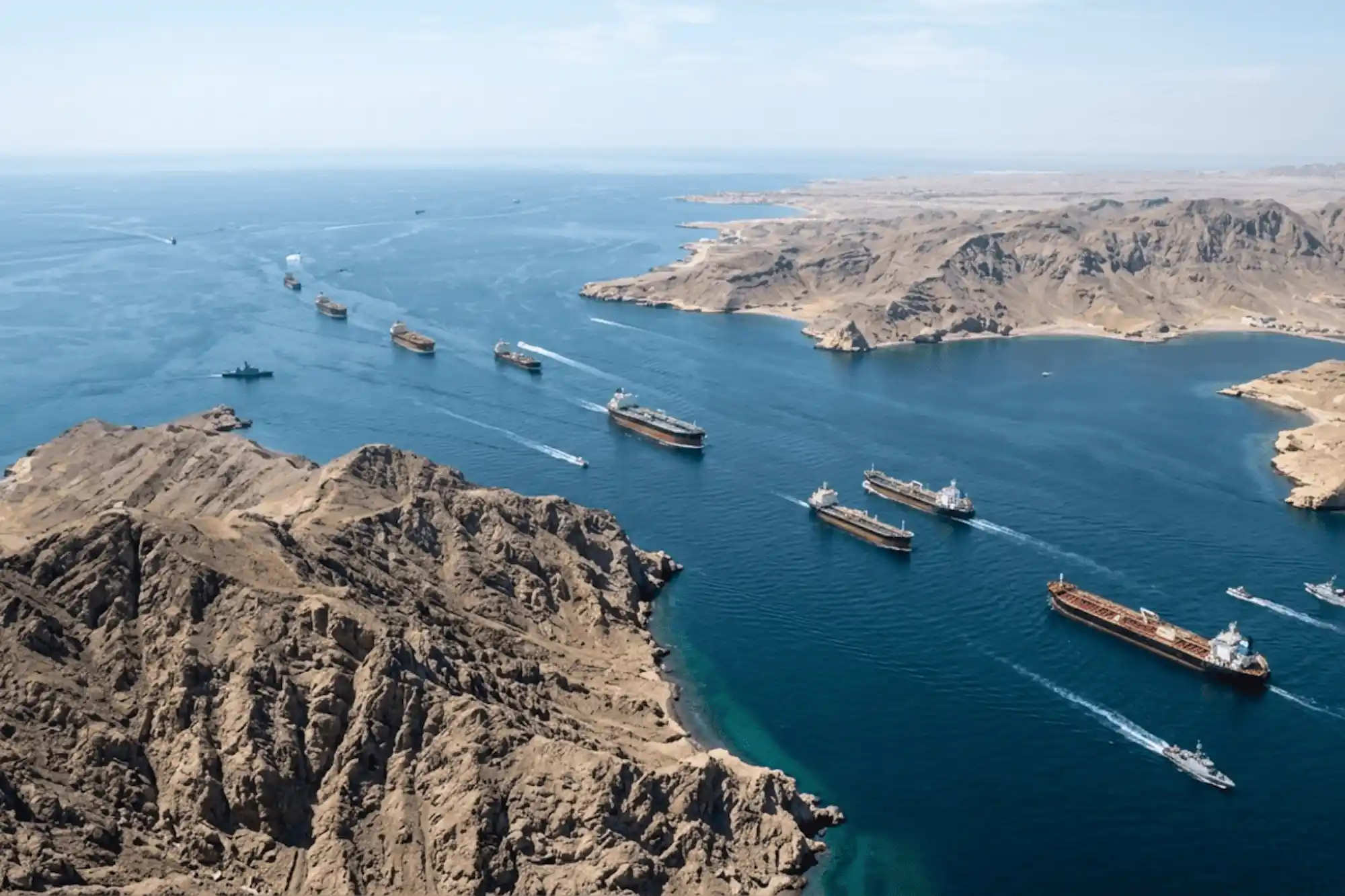
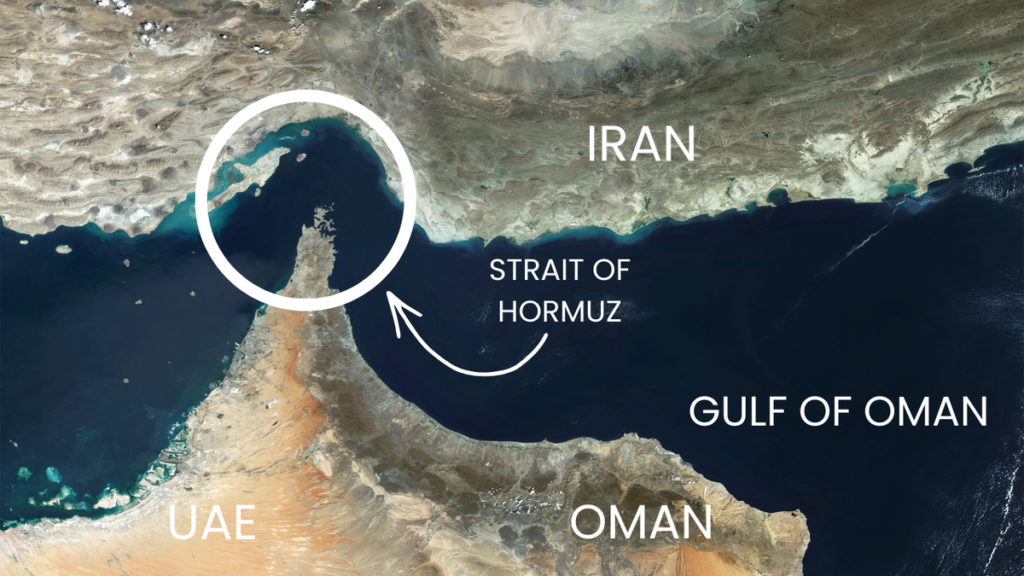
In the shadow of the escalating conflict in West Asia, the shutdown of the Strait of Hormuz has sent ripples across global energy markets. For India, the world’s third-largest oil consumer, the closure of this chokepoint evokes memories of past supply shocks. Yet, amid the headlines of soaring crude prices—Brent surging past $115 per barrel for a brief period—and temporary disruptions, a more optimistic narrative emerges. India’s proactive diversification of energy sources, bolstered by strategic reserves and innovative rerouting, positions the nation not as a victim of circumstance but as a resilient powerhouse adapting to secure its future.
Consider the crude oil landscape. India imports about 88% of its crude needs, with historically around half transiting the Hormuz Strait from key suppliers like Iraq, Saudi Arabia, the UAE, and Kuwait. But officials from the Ministry of Petroleum and Natural Gas have emphasized that 75% of imports now bypass this corridor, a testament to foresight in supply chain reconfiguration. Two LNG cargo ships are en route to India, ensuring continuity in natural gas supplies. Refiners are reworking logistics, tapping alternative ports like Yanbu in Saudi Arabia and Fujairah in the UAE, which bypass the strait via pipelines. This shift isn’t mere improvisation; it’s the fruit of years of diversification. In February 2026, India sourced 2.8 million barrels per day (bpd) from Middle Eastern nations, but refiners are now accelerating imports from the US, Russia, and West Africa to plug any gaps.
The government’s strategic petroleum reserves further underscore this preparedness. India sits on approximately 100 million barrels of crude, enough to sustain the nation for 40-45 days in a worst-case scenario. This buffer, combined with ongoing spot procurements, mitigates immediate risks. As reported in Moneycontrol, Indian refiners have secured 33 million barrels of Russian crude this month alone, leveraging a US waiver that allows continued purchases despite global tensions. Loadings of Russian crude for Indian ports, which dipped to 0.7 million bpd in February, are rebounding, with ample volumes available in Asian waters. This pivot to Russia—where imports peaked at over 2 million bpd in 2025—not only cushions against Hormuz disruptions but also secures discounted supplies, potentially saving billions in import bills.
Turning to liquefied petroleum gas (LPG), the narrative of shortage has understandably rattled households and businesses. India, the second-largest LPG importer globally, consumed 31.3 million metric tons in FY2025, with about 62% imported, much historically via Hormuz. The conflict has strained supplies, leading to longer booking intervals—now up to 25 days—and prioritization of the 330 million domestic households over commercial users. Restaurants, hotels, and eateries, particularly in metros like Mumbai, Bengaluru, and Chennai, are feeling the pinch. Hotel associations warn of potential closures within 48-72 hours if supplies don’t stabilize, with some establishments shifting to electric cooking or wood-fired alternatives to keep operations running. In Rajasthan, distributors have halted new commercial bookings, forcing businesses to ration cylinders.
Yet, this is no doomsday scenario; it’s a temporary hurdle met with swift government action. The Ministry has invoked emergency powers under the Essential Commodities Act, directing refiners to boost LPG output by 10%, diverting propane and butane from petrochemical streams to prioritize cooking gas. Production in April 2025-January 2026 stood at 10.642 million metric tons, with January alone at 1.158 million tons, and efforts are underway to ramp this further. A three-member committee of oil marketing executives has been formed to review commercial representations and allocate volumes without jeopardizing households. Officials assure that the crunch is short-lived, with additional LPG and LNG cargoes secured from non-Hormuz routes, including partnerships with Algeria, Australia, Canada, and Norway. “Both LPG and LNG supplies are likely to reach India soon,” a senior government source was reported as saying.
This response highlights India’s agility. By expanding sourcing to 40 countries and invoking the Natural Gas (Supply Regulation) Order 2026 to prioritize PNG, CNG, and LPG, the government is not just reacting but fortifying long-term energy security. The crisis has revived pushes for boosting domestic oil and gas production, which has stagnated despite reforms, urging faster exploration and investments. Retail fuel prices remain stable for now, shielding consumers from immediate hikes, even as global benchmarks climb.
In today’s informal interaction with members of the media fraternity, we discussed that India’s energy imports are continuing to flow in from different sources and routes.
— Hardeep Singh Puri (@HardeepSPuri) March 10, 2026
We have taken steps to ensure that 100% supply of CNG & PNG to domestic consumers is ensured and other… pic.twitter.com/eDbbg1Vvue
Economically, every $10 rise in oil prices could shave 20-30 basis points off GDP growth and widen the current account deficit by 50 basis points, per analysts. But Moody’s warning of a weaker rupee and higher inflation is tempered by India’s buffers: a diversified import basket, robust reserves, and diplomatic maneuvering. External Affairs Minister S Jaishankar’s call for diplomacy in Parliament reflects a balanced approach, prioritizing de-escalation while safeguarding supplies.
This Hormuz shutdown isn’t a crisis—it’s a catalyst. It accelerates India’s transition toward energy independence, from ramping renewables to deeper ties with non-Middle Eastern suppliers. As refiners adapt and new cargoes arrive, the nation emerges stronger, proving that in the face of global turmoil, India’s energy story is one of innovation and endurance, not vulnerability. With proactive governance and strategic depth, the light at the end of this strait is brighter than ever.