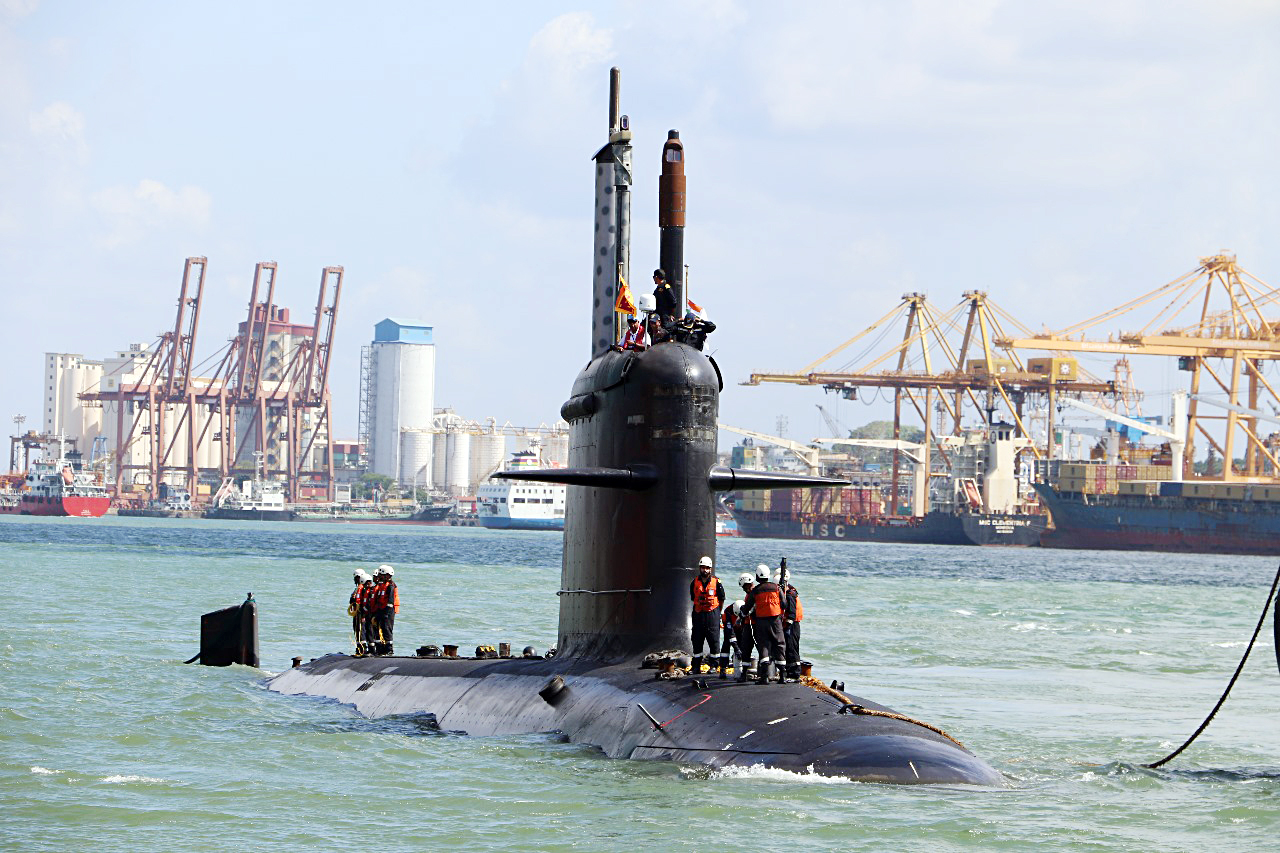
India’s Project-75(I) is more than just the next step in naval procurement, it represents a decisive leap in undersea warfare capabilities. By integrating Air Independent Propulsion (AIP) systems into its upcoming line of conventional submarines, the Indian Navy is set to extend underwater endurance from a mere two days in current Scorpene-class boats to nearly three weeks. This transformational change will ripple across the strategic calculus of the Indian Ocean, altering both deterrence dynamics and India’s ability to project power far from its shores.
The Science Behind Stealth: Understanding AIP
At the heart of Project-75(I) is the fuel-cell-based Air Independent Propulsion system. Unlike traditional diesel-electric submarines, which must surface or snorkel regularly to recharge batteries, AIP enables submarines to generate electricity underwater without atmospheric oxygen. This not only lengthens submerged endurance but also drastically reduces opportunities for detection. By staying below the waves for extended periods, submarines equipped with AIP are harder to track and target, which in modern naval warfare can mean the difference between mission success and catastrophic loss.
Strategic Advantages: Endurance as a Weapon
The most immediate benefit of AIP is operational endurance. Where Scorpene-class vessels could conduct stealth patrols for around 48 hours before needing to expose themselves, AIP-powered submarines can now operate submerged for nearly three weeks. This vastly expands mission profiles, from persistent surveillance deep within contested waters to long-range intelligence gathering along adversary coastlines.
Prolonged submersion also functions as a force multiplier. Each extra day underwater not only improves mission efficiency but also reduces vulnerability to anti-submarine warfare assets. Modern airborne platforms, surface ships with towed sonar arrays, and underwater sensor networks are formidable threats – threats that are largely neutralized when a submarine can remain hidden for weeks at a stretch.
In the context of India’s primary maritime rivals, China and Pakistan, this capability closes a dangerous gap. Both nations already field AIP-equipped submarines. By matching and potentially surpassing these endurance benchmarks, India is rebalancing the undersea deterrence equation in the Indian Ocean Region (IOR).
In naval strategy, deterrence is as much about perception as it is about capability. An adversary uncertain of a submarine’s location must commit disproportionate resources to locate and counter it. The reduced acoustic and radar signatures of AIP boats, coupled with fewer surfacing events, multiply this uncertainty. This is especially critical in the IOR, where control over chokepoints like the Malacca Strait or the approaches to the Persian Gulf can have global economic implications.
With Project-75(I), India can maintain continuous covert patrols across these strategic sea lanes, reinforcing its position as a security provider in the region.
Indigenous Growth and Strategic Autonomy
Beyond military utility, Project-75(I) is an industrial catalyst. The programme mandates 45% indigenization in the first submarine, rising to 60% by the sixth. This structured localisation not only strengthens the domestic defence ecosystem but also secures technological sovereignty for future upgrades. By developing domestic expertise in submarine construction, India is investing in capabilities that will last decades.
Collaboration with Germany’s ThyssenKrupp Marine Systems brings in world-class expertise and technology transfer. But equally important is the integration of Indian MSMEs and defence firms into the production chain, ensuring that knowledge, tooling, and innovation remain within the country.
Comparing the Platforms: Scorpene vs Project-75(I)
The leap in endurance, from ~2 days to ~3 weeks, is the headline figure, but other differences are equally consequential. Project-75(I) boats will feature ultra-low acoustic signatures, further reducing detectability. Their hybrid diesel-AIP propulsion will be optimised for silent operation, making them stealthier than their Scorpene predecessors.
Cost is another indicator of ambition. Where Project-75 cost around ₹23,000 crore for six submarines, estimates for Project-75(I) range between ₹43,000 and ₹70,000 crore, reflecting both the complexity of AIP integration and the long-term strategic value of these vessels.
A Game Changer in Three Dimensions
Regional Security: With AIP-equipped adversaries already active, India’s move to field its own is not just about technological parity; it’s about ensuring credible deterrence.
Force Projection: Extended endurance enables patrols into the South China Sea, the Western Pacific, or sustained presence in the Arabian Sea, all without immediate logistical support.
Technological Sovereignty: By embedding indigenous capability, India ensures it can maintain, upgrade, and even export advanced submarine technologies without over-dependence on foreign suppliers.
The Broader Strategic Context
Project-75(I) must also be understood in the context of India’s overall maritime doctrine. As the IOR becomes an increasingly contested theatre – with Chinese naval deployments expanding and U.S. strategic focus oscillating – India’s ability to silently monitor, shadow, and if necessary, interdict becomes crucial.
In this environment, AIP-equipped submarines are more than tactical assets; they are strategic instruments. They can serve as deterrence platforms armed with cruise missiles, as reconnaissance nodes feeding into broader maritime domain awareness networks, and as tools for securing vital sea lanes in peacetime and threatening them in conflict.
Shaping the Undersea Future
By embracing AIP through Project-75(I), India is not just upgrading hardware, it is reshaping the geometry of power beneath the Indian Ocean’s surface. Endurance, stealth, and indigenous capability form the triad of advantages that will serve the Navy for decades.
This project’s real success will not be measured only in its stealth patrols or in the number of submarines launched, but in the strategic freedom it grants India to operate in contested waters with confidence, resilience, and autonomy. In an era when the unseen often determines the outcome, Project-75(I) ensures that India’s presence, though invisible, will be deeply felt.