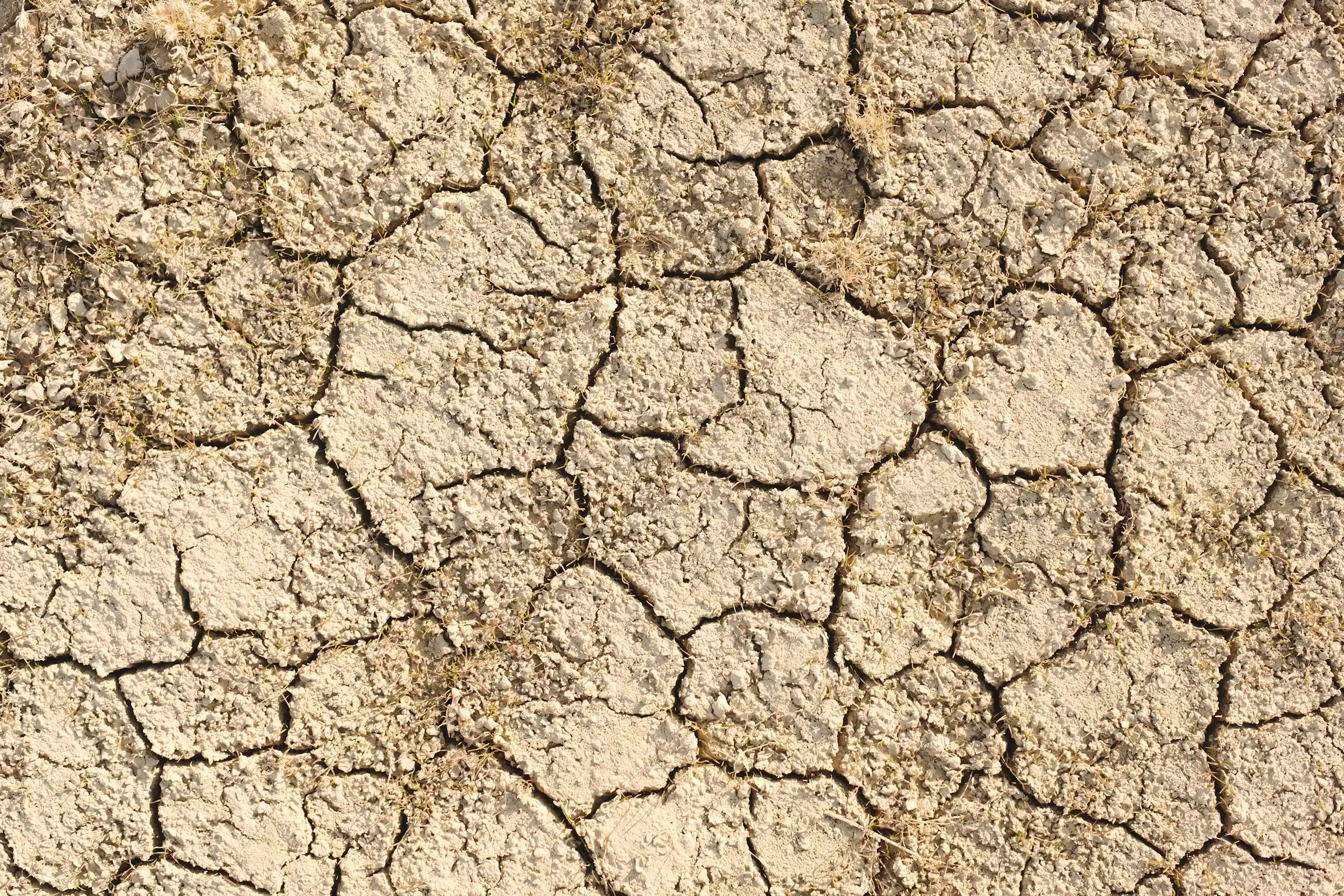
India is increasingly living through an era of climate uncertainty, where extreme weather events are no longer rare disruptions but recurring features of everyday life. From prolonged heatwaves across northern and central regions to erratic rainfall patterns affecting eastern and northeastern states, the signs of a changing climate are now unmistakable. These developments are not isolated incidents; they reflect deeper structural vulnerabilities in India’s approach to climate preparedness.
Recently, we have witnessed an alarming rise in the frequency and intensity of heatwaves. Cities that were once accustomed to moderate summers are now recording temperatures well above historical averages. This has serious implications for public health, particularly for vulnerable populations such as outdoor workers, the elderly, and those without access to adequate cooling. Heat-related illnesses and fatalities are becoming more common, exposing gaps in early warning systems and urban planning.
At the same time, rainfall patterns have grown increasingly erratic. Some regions experience intense cloudbursts leading to urban flooding, while others face prolonged dry spells that threaten agricultural productivity. This dual challenge of too much water in short periods and too little over extended durations has made water management far more complex. States like Assam, for instance, are grappling with both floods and rainfall deficits within the same seasonal cycle, underscoring the unpredictable nature of climate change.
The economic consequences of these climate extremes are significant. Agriculture, which remains heavily dependent on the monsoon, is particularly vulnerable. Delayed or insufficient rainfall disrupts sowing cycles, reduces yields, and affects rural incomes. Similarly, urban infrastructure, often designed without accounting for extreme weather variability, struggles to cope with sudden downpours, leading to waterlogging, traffic disruptions, and damage to property.
Despite these growing challenges, India’s preparedness remains uneven. While institutions such as the India Meteorological Department have made strides in improving weather forecasting, the last-mile delivery of this information is often inadequate. Many communities lack access to timely and actionable advisories, limiting their ability to respond effectively.
Urban planning is another area of concern. Rapid and often unregulated urbanisation has led to the loss of natural drainage systems, wetlands, and green cover. Cities have become more susceptible to flooding and heat stress, as concrete replaces permeable surfaces and reduces the natural capacity to absorb water and regulate temperature. Addressing these issues requires a fundamental rethinking of how Indian cities are designed and managed.
Policy responses, though evolving, have yet to fully match the scale of the challenge. Climate action plans exist at both national and state levels, but their implementation is frequently hampered by limited resources, institutional fragmentation, and lack of coordination. There is also a tendency to treat climate events as episodic crises rather than as manifestations of a long-term structural shift.
What is needed is a comprehensive approach that integrates climate resilience into all aspects of governance. This includes strengthening early warning systems and ensuring that information reaches even the most remote communities. Investments in climate-resilient infrastructure such as improved drainage systems, heat-resistant building materials, and sustainable water management practices are essential.
Equally important is the role of local institutions. Panchayats, municipal bodies, and community organisations must be empowered to take proactive measures based on local conditions. Climate adaptation cannot be a top-down process alone; it must involve those who are most directly affected.
Finally, there is a need for greater public awareness and behavioural change. As climate risks intensify, individuals and communities must also adapt, whether through water conservation, energy efficiency, or preparedness for extreme events.
India stands at a critical juncture. Climate change is no longer a distant threat but an immediate reality shaping lives and livelihoods. Bridging the preparedness gap will require sustained political will, scientific innovation, and collective action. The cost of inaction is simply too high to ignore.