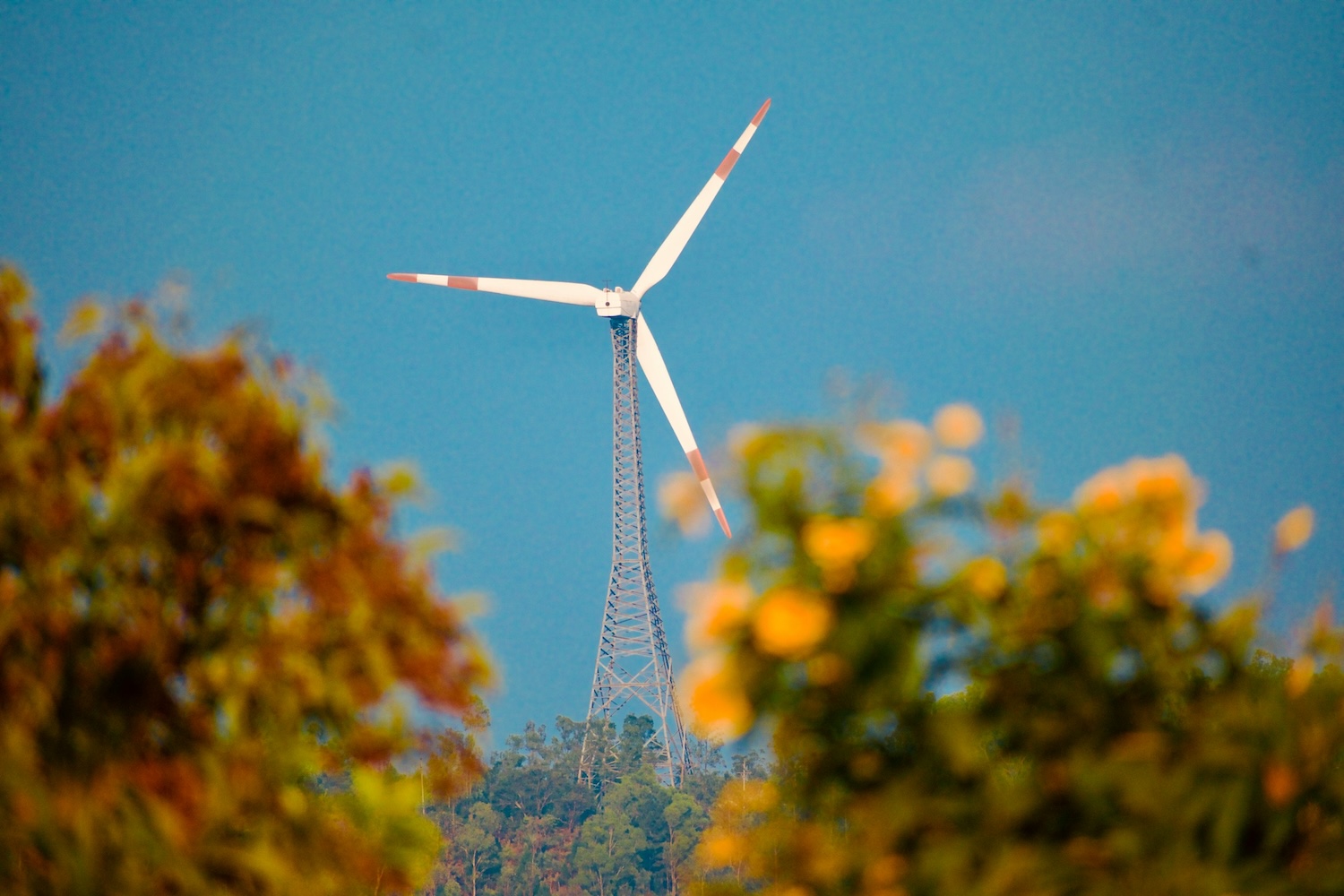
India is on the cusp of a green revolution, rapidly transitioning from a perceived climate laggard to a global leader in sustainable development. This transformation is driven by a powerful combination of factors: strong political will, a vibrant business sector, and an engaged civil society. Far from being a burden, this green shift is seen as a pathway to economic prosperity and national strength, a message framed not around the fear of climate change but the promise of a brighter, more prosperous future.
A New Narrative for Climate Action
For too long, the narrative around India’s climate policy was shaped by an outdated and unfair perspective. Accused of hindering international climate talks, India has been unjustly blamed for a crisis it contributed very little to. The reality is that the per capita emissions of the United States are currently 25 times higher than India’s. This disparity highlights the arrogance of those who point fingers at India while ignoring their own historical and current responsibilities.
Prime Minister Narendra Modi has astutely reframed the climate debate. Instead of focusing on the dire consequences of climate change—like droughts or floods—his message is one of opportunity. He speaks of a future where every Indian is lifted out of poverty, a thriving middle class emerges, and India takes its rightful place as a powerful nation on the world stage. Crucially, this vision is anchored in green technologies—solar, wind, electric cars, and other renewables. This positive, aspirational message resonates far more deeply than one built on fear and sacrifice.
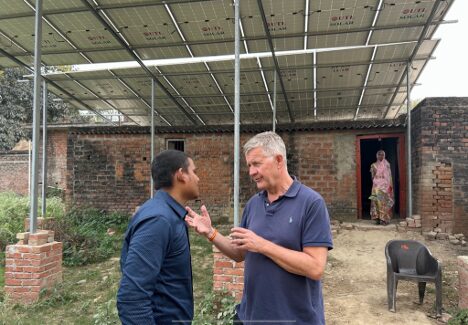
This shift in messaging is a lesson the world should learn from. It turns climate action from a negative, problem-focused agenda into a positive, inspiring one. The absence of a significant “climate denial” movement in India, unlike in many Western countries, further strengthens this approach. There are no major public figures—cricket players, Bollywood stars, or politicians—who publicly deny climate change. This consensus allows the nation to focus on constructive action rather than fighting cultural wars.
On-the-Ground Success Stories
India’s green progress is not just a top-down mandate; it’s a nationwide movement with remarkable success stories unfolding across different states.
- Gujarat is a front-runner, with an ambitious goal of generating 100 GW of solar energy by 2030. This alone would make it one of the largest renewable energy economies in the world if it were a separate nation. A major highlight is the world’s largest hybrid renewable energy park under construction near Khavda, a massive 30 GW project combining both solar and wind power.
- Tamil Nadu is making strides in restoring its windmills and has embarked on a large-scale mangrove restoration project, demonstrating a strong commitment to both renewable energy and nature preservation.
- Madhya Pradesh hosts some of the country’s most innovative green projects. This includes a 150 MW floating solar plant on the Omkareshwar dam in Khandwa and India’s first solar village, Sanchi. The city of Indore is a global leader in waste management, earning the nickname “the cleanest city in India.” Its brilliant waste management system converts garbage into eco-friendly fuel for city buses, a model that has helped increase its per capita income.
- Andhra Pradesh, like Gujarat, is a leader in solar energy generation with significant capacity installed.
- Uttar Pradesh is focusing on hydro and pumped storage and has made strides in greening its agriculture sector.

These efforts highlight a unique aspect of India’s political landscape: despite fierce competition on other issues, political parties across the spectrum, from the BJP in Gujarat and Madhya Pradesh to the DMK in Tamil Nadu, are united in their commitment to environmental action. This political consensus makes the progress more sustainable and enduring.
The Role of Philosophy and Culture
The deep-rooted connection between Indian philosophy and nature plays a significant role in this green transformation. The ancient Hindu philosophy of Dharma venerates the environment, viewing humans as an integral part of nature rather than superior to it. This is symbolically represented in deities like Ganesh (half-elephant, half-human) and Hanuman (half-monkey, half-human), powerful symbols of the unity of man and nature.

This contrasts sharply with some Western traditions, which historically have viewed humans as being “above” nature, free to exploit it for their own ends. This difference in worldview is visible in how wildlife is treated. While Western societies often opt to eliminate animals that harm livestock or pose a threat to humans, India has a much more tolerant and compassionate approach. Despite incidents of human-animal conflict—where tigers or elephants may harm humans—the animals are typically captured and relocated to a new habitat rather than killed. This reflects the deep cultural respect for all forms of life, a sentiment that provides a strong philosophical foundation for environmental protection.
Challenges on the Road Ahead
Despite this fantastic progress, India must overcome a few critical hurdles to solidify its position as a global green superpower.
- Red Tape: Bureaucratic delays and complex approval processes, often referred to as “red tape,” can slow down project implementation. While improvements have been made, obtaining the necessary public clearances for a new solar farm can still be a protracted process. Streamlining these procedures is crucial to ensure that investors—both domestic and international—can act fast and efficiently.
- Upfront Costs: While renewable energy is now the cheapest form of power in the long run, the initial capital expenditure can be prohibitive for small businesses and poor individuals. Companies like SunEdison and others are working to solve this by creating financial mechanisms that help small-scale energy users secure loans and overcome this barrier.
- Land Issues: India’s high population density means that large tracts of land are not readily available, especially in states like Punjab and Uttar Pradesh. This necessitates a more collaborative approach, focusing on decentralized solutions like rooftop solar, agrivoltaics (solar panels on farmland), and floating solar plants on reservoirs. A profound dialogue with local communities is essential to ensure they benefit directly from these projects, thus securing their support.
- Geopolitical Dependencies: The world’s green technology supply chain is heavily dominated by China, which produces the cheapest and most efficient solar panels, batteries, and electric vehicles. While India is working to build its own domestic manufacturing base, for the foreseeable future, it will need to partner with China to achieve its ambitious climate goals. Navigating this relationship to balance national security and job creation with the need for affordable technology will be a key challenge for the Indian government.
In conclusion, India is not just following the global climate agenda; it is forging its own path. By combining strong political leadership, a thriving private sector, and a deeply rooted philosophical connection to nature, India is proving that a green future is not only possible but also a direct route to prosperity and power.