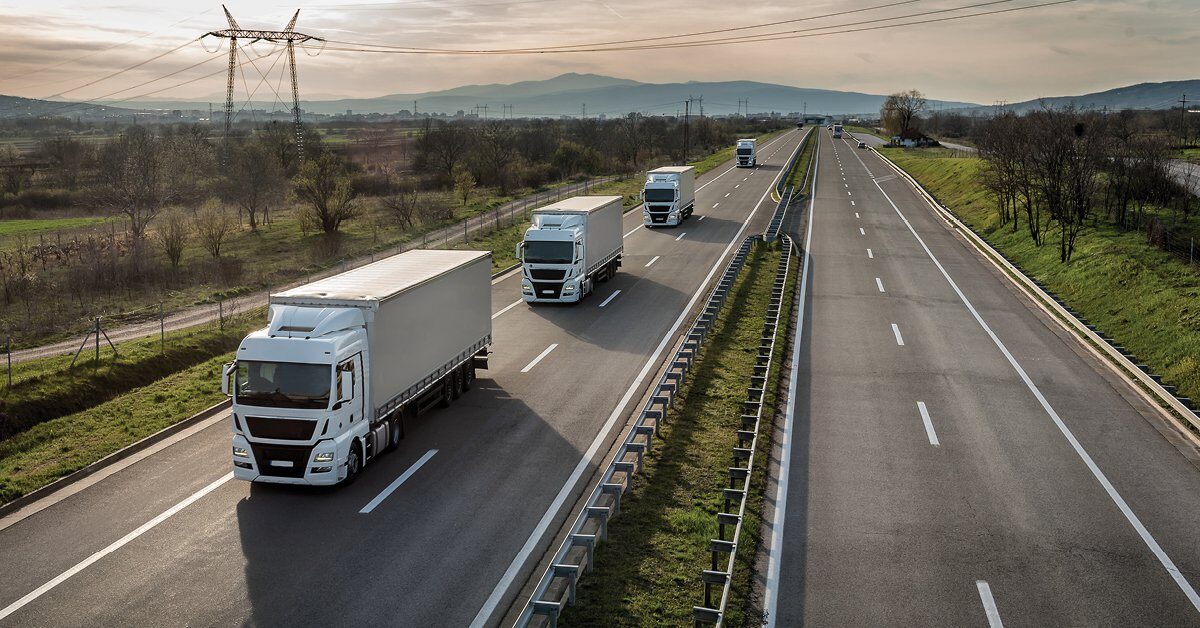
India’s logistics sector stands at the heart of the nation’s economic transformation. As the fourth-largest economy globally and the fastest-growing major economy in 2025, logistics is not just a support function but a strategic growth engine. Recent government policies, technology integration, sweeping reforms, and landmark investments have pushed the sector to become more organized, efficient, and globally competitive.
The Strategic Importance of Logistics in India
Backbone of Economic Growth
- Major GDP Contributor: Logistics contributes 13–14% of India’s GDP, significantly higher than the global average of 8–9%. While this underscores the sector’s economic weight, it also represents a major opportunity for cost rationalization. A 1% reduction in logistics cost, as per McKinsey, could save the Indian economy $15 billion annually.
- Employment Generator: The sector employs over 22 million people and is projected to add another 10 million jobs by 2027, spanning transportation, warehousing, cold chain, and last-mile delivery.
- Export Catalyst: Efficient logistics underpin India’s export competitiveness. Exports rose from $466.22 billion in 2013-14 to $824.9 billion in 2024-25, making streamlined logistics crucial for global market integration.
The Catalyst for ‘Make in India’ and Digital India
Government’s push through flagship initiatives—Make in India, National Logistics Policy (NLP), and PM GatiShakti—has transformed logistics into the operational backbone for manufacturing, e-commerce, agriculture, and pharmaceuticals. Logistics parks, multimodal transport corridors, and digital platforms have enabled SMEs and large enterprises to expand globally.
Government Reforms: Accelerating Modernization
Policy Interventions and Investments
- National Logistics Policy (NLP): Launched in 2022, focuses on streamlining the logistics ecosystem through tech-enabled platforms like Unified Logistics Interface Platform (ULIP) and Logistics Data Bank (LDB) for real-time tracking and transparent supply chains.
- PM GatiShakti Master Plan: Introduced in 2021, it integrates 57 ministries and all states/UTs into a single network, coordinated via 1,700 data layers for holistic infrastructure planning, faster project approvals, and multimodal transport connectivity.
- Budget 2025-26: Unprecedented ₹11.2 lakh crore capital expenditure for infrastructure—multimodal logistics parks, last-mile networks, digitization. Port modernization through the ₹25,000 crore Maritime Development Fund fuels trade and supply chain efficiency.
Digital Transformation
- Unified Logistics Interface Platform (ULIP): Recorded 10 billion API transactions in March 2025, enabling shipment visibility, predictive ETAs, and inventory optimization.
- Bharat Trade Net (BTN): Launched to centralize trade documentation, digital financing, and import-export transactions, aligning with best global practices.
Streamlining and Compliance
- Goods and Services Tax (GST): Since 2017, GST has eliminated interstate checkposts, simplified tax, and reduced transit times by 33%, boosting productivity.
- E-Way Bill System: Mandatory for goods over ₹50,000, e-Way bills digitize compliance, reduce evasion, and enhance transparency.
Technological Revolution: From Fragmented to Smart Logistics
Logistics 4.0
India’s logistics evolution is defined by the adoption of automation, AI, IoT, blockchain, and cloud-based platforms, fundamentally reshaping the movement of goods. Real-time tracking, predictive maintenance, and smart warehouse management are transforming supply chains across sectors.
- AI and Automation: Automated warehouses, drone deliveries, and predictive analytics minimize stock-outs, lower costs, and increase service speed.
- Digital Freight Corridors: Digital tools enable route optimization and multimodal transport, reducing delivery times and operational bottlenecks.
- Cloud Platforms and API Integration: Seamless data exchange between stakeholders increases efficiency and transparency in the logistics ecosystem.
E-Commerce and MSME Integration
- E-commerce Boom: The market, set to reach $325 billion by 2030 at a 21% CAGR, finds logistics essential for nationwide reach and international scaling.
- MSME Enablement: Logistics innovations empower small-scale producers and manufacturers to tap global markets directly, bypassing traditional barriers.
Infrastructure: Foundations for Growth
Dedicated Freight Corridors and Parks
- Eastern and Western Dedicated Freight Corridors: Covering 2,843km, 96% already operational, designed for heavy cargo, boosting energy efficiency and reducing congestion.
- Multi-Modal Logistics Parks (MMLPs): 35 locations approved nationwide, 5 to be operational by 2027, merging warehousing, transport, and value-added services.
Green and Sustainable Logistics
- Environmental Impact: Logistics produces 13.5% of India’s greenhouse gas emissions, with road freight comprising 88% of sectoral emissions.
- Sustainability Initiatives: The government targets a modal shift to rail, incentivizes green warehousing, and encourages electric/CNG vehicles for last-mile delivery—all supporting India’s Net Zero 2070 goals.
- GHG Calculator and Rail Green Points: Tools for stakeholders to measure and optimize transportation emissions.
Urban Consolidation and City Logistics
- Delhi Logistics Policy 2025: Environmental and congestion management via dedicated city logistics hubs, warehousing decentralization, green freight corridors, and incentives for sustainable operations in urban areas.
Employment and Skill Development
With transformative reforms and investments, the logistics sector is generating employment at scale. India’s first transport and logistics university—Gati Shakti Vishwavidyalaya (GSV)—prepares a workforce skilled for high-tech supply chains, digital platforms, and integrated multimodal transport systems. Recent budget proposals include five National Centres of Excellence for logistics skilling.
Challenges: Bridging the Gaps
Despite rapid progress, the sector faces multiple hurdles:
- High Logistics Costs: Currently 13–14% of GDP, above global norms, impacting export competitiveness and price parity.
- Fragmented Supply Chains: The dominance of informal networks and legacy infrastructure slows efficiency.
- Urban Congestion: Mega-cities like Mumbai, Chennai, and Delhi struggle with freight bottlenecks; policies focus on decentralization and digital management.
- Environmental Pressure: Heavy reliance on road transport increases emissions, necessitating modal shift.
Driving India Toward Global Leadership
India’s sharp improvement in the World Bank’s 2023 Logistics Performance Index (LPI), rising to 38th position from 44th in 2018, is testimony to the impact of bold reforms. The aim is to break into the global top 25 by 2030, bring logistics costs below 10% of GDP, and position the country as a world-class trade and supply chain hub.
- Sector Value by 2030: Projections peg the logistics sector at $800 billion, contributing 11% of GDP, fueled by tech integration, skilled workforce, and infrastructure upgrades.
- Growth Enablers: Strategic investments, digital infrastructure, green policies, and workforce development are the pillars sustaining momentum.
India’s logistics sector has become a powerhouse—supporting economic growth, creating jobs, boosting exports, and powering the ambitions of Viksit Bharat 2047. With sustained government support, rapid digitalization, bold infrastructure investments, and a strong focus on sustainability, logistics is not just India’s advantage—it is the driving engine that connects aspirations with opportunities, linking producers to consumers domestically and globally. As supply chains modernize and integrate, the sector will lead India toward becoming a $5 trillion economy by 2027, solidifying its place atop the global value chain.